
Last updated November 15, 2026
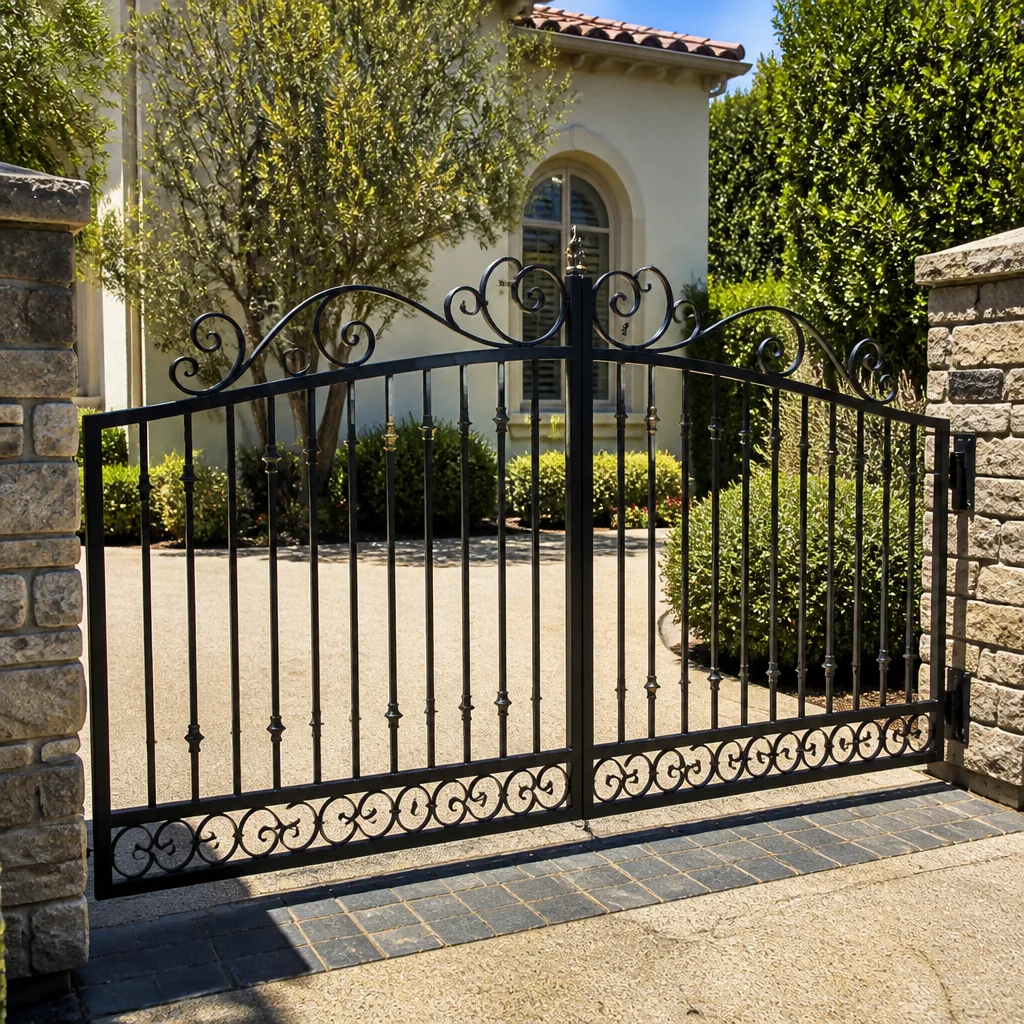 Wrought iron
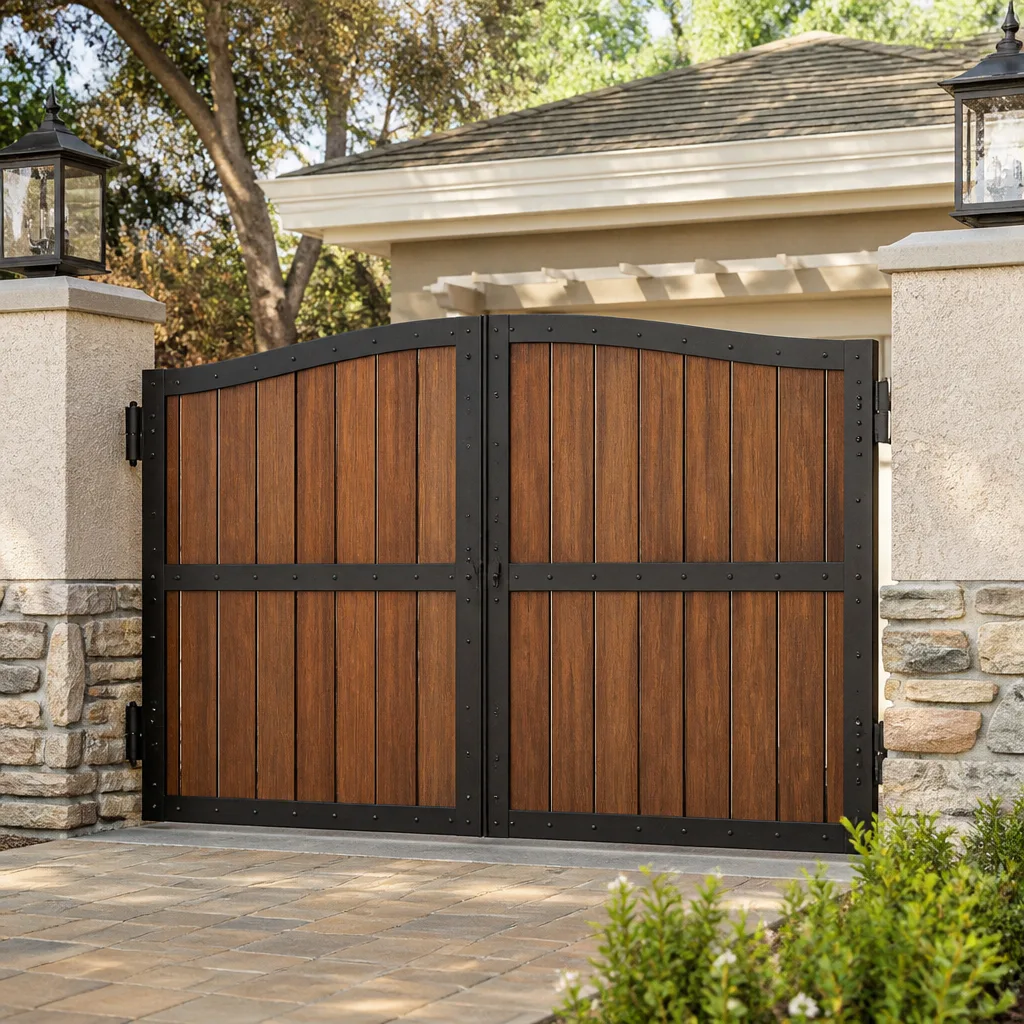 Wood & steel frame
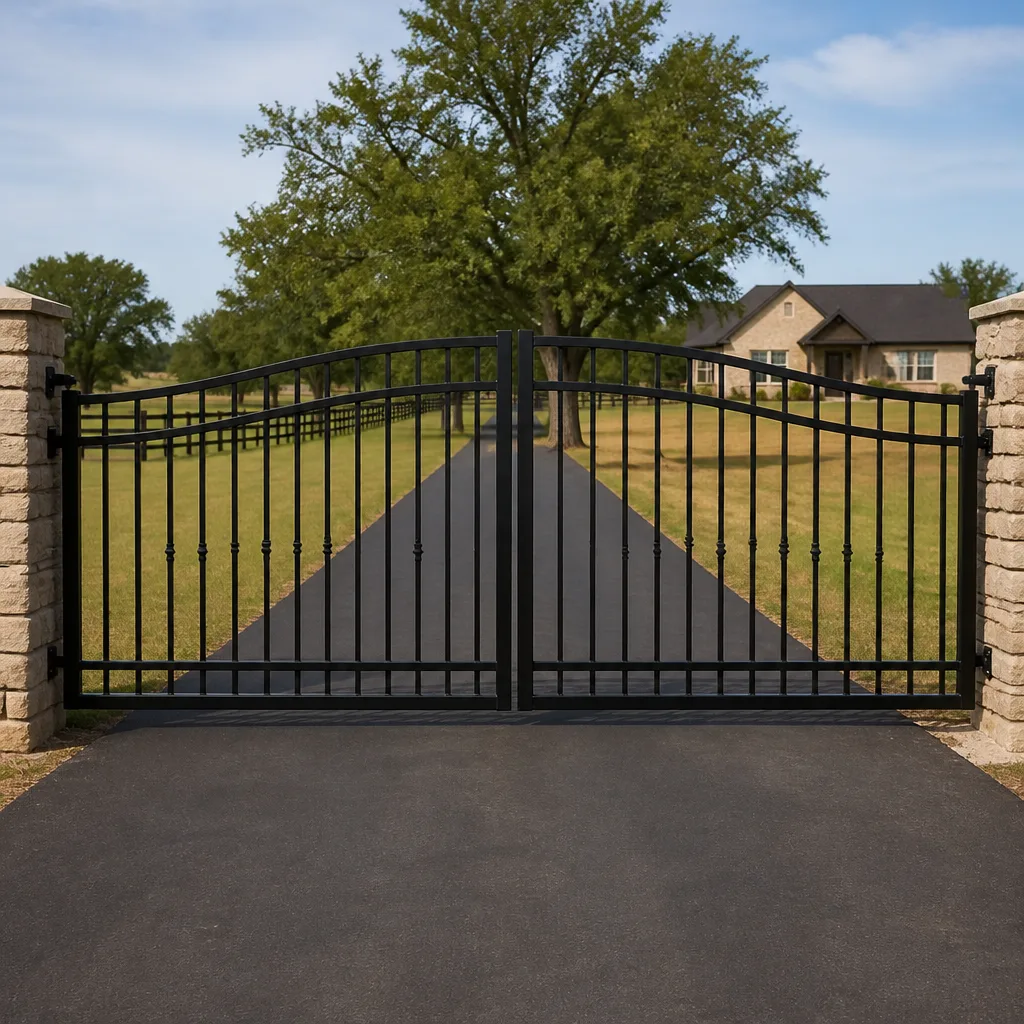 Farm & ranch
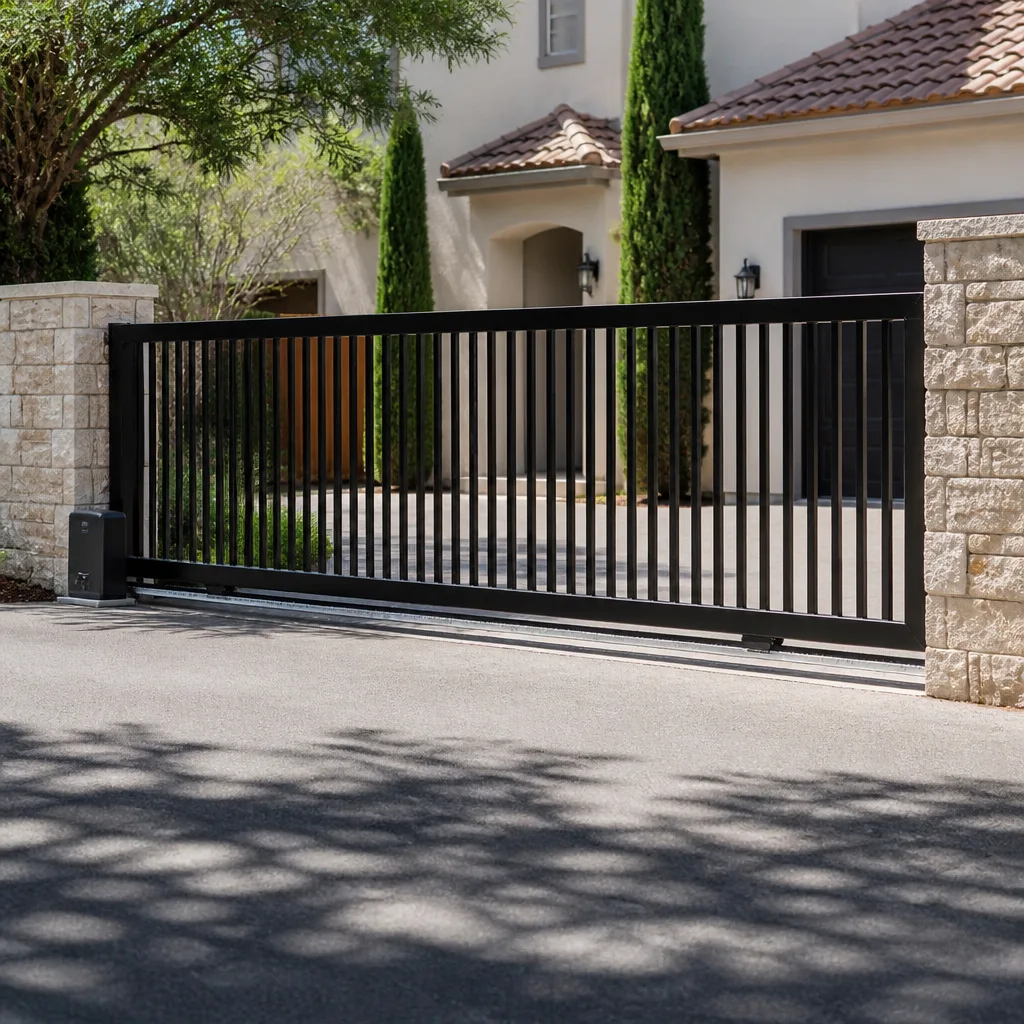 Sliding driveway gates
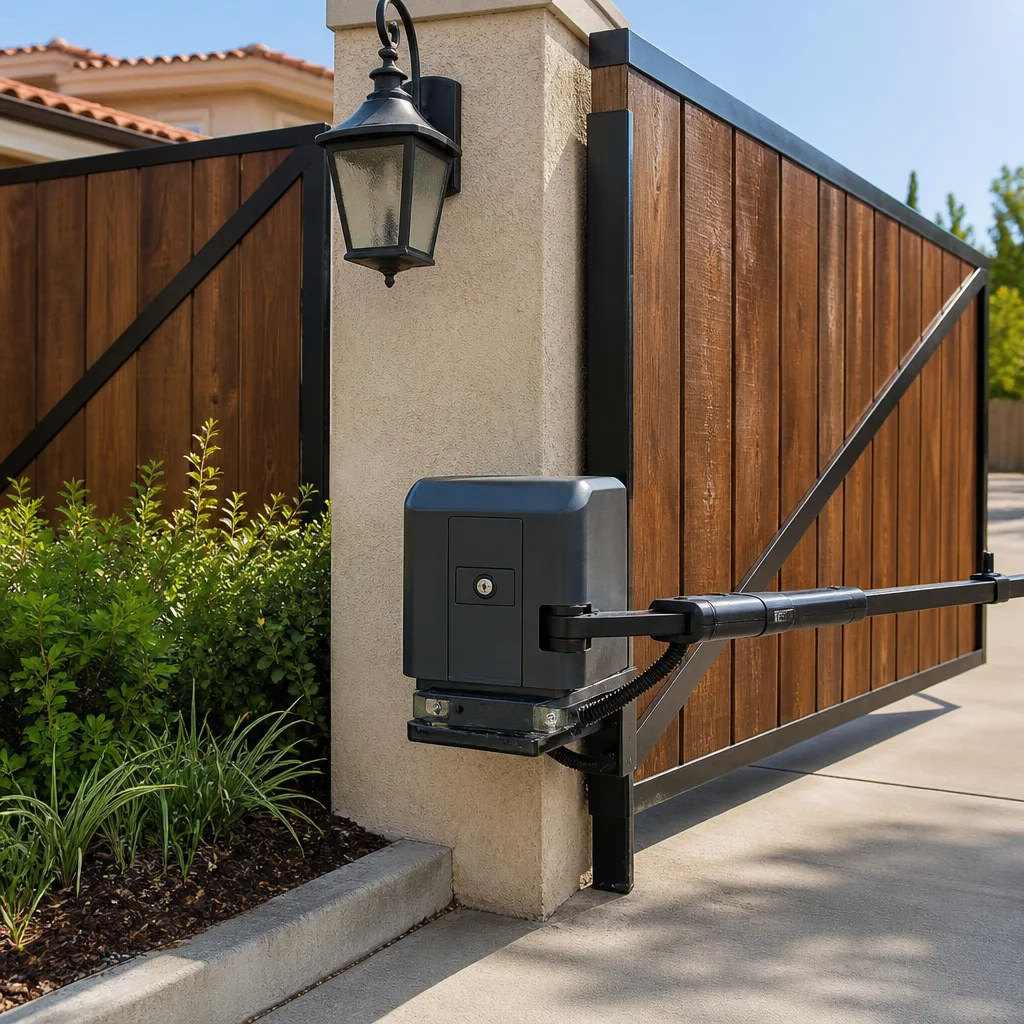 LiftMaster operators
Free on-site gate assessment - hinges, posts, and your LiftMaster or Nice gate operator checked before anything is quoted
The assessment is free and the quote is the invoice.
Get your free estimateHow to Hire a Gate Repair Contractor in Gresham: A Step-by-Step Guide
Asking a contractor “do you repair gates?” is the wrong question. Almost everyone says yes. A garage door company will say yes because a gate operator looks familiar. A fencing contractor will say yes because they build fences around gates. A general handyman will say yes because the call pays. The right question is narrower: what share of your weekly service calls are gates only? In Gresham, where most homes sit behind a fence on a sloping lot, that single answer tells you more about who will show up than licensing badges or review counts. This guide walks through how to screen for the real thing, from Oregon’s contractor licensing rules to the five interview questions that separate specialists from dabblers.
Styles & brands we work with
- Wrought iron
- Wood & steel frame
- Farm & ranch
- Sliding driveway gates
- LiftMaster operators
Quick Answer
Hiring a gate repair contractor in Gresham means verifying three things in order: an active Oregon Construction Contractors Board license with the right endorsement, a track record you can confirm on the specific brand of operator you own, and a written estimate that names parts rather than describing labor in general terms. Contractors who cannot speak to your operator brand, whether that’s a Ghost Controls residential arm or a DoorKing commercial slide system, are usually guessing. And because gate work carries real injury risk from heavy panels and live operator wiring, a contractor who treats it like a fencing job is the wrong person to authorize.
Table of Contents
- Why Gate Repair in Gresham Gets Misdiagnosed
- The Oregon License Question Nobody Asks
- Five Interview Questions That Separate Specialists From Generalists
- How to Read a Gate Repair Quote Like a Technician
- Why the Lowest Quote Usually Costs More
- How to Verify Brand Experience Before You Authorize Work
- Safety Compliance: What a Real Gate Contractor Checks
- Common Mistakes to Avoid
- When to Call a Professional
- Frequently Asked Questions
Why Gate Repair in Gresham Gets Misdiagnosed
Most gate calls in Gresham are answered by someone whose main trade is something else. That’s not an insult to those contractors – it’s a fact about a service market where gate-specific work is a small slice of total demand. When gate work is 5 percent of your week, you learn a handful of fixes and apply them broadly. A stuck Gate operator becomes a bad control board. A gate that drags becomes a lubrication problem. Sometimes those guesses are right. Often they aren’t.
The real diagnostics matter more here than in a flat city. Properties across Gresham sit on low sloping lots, on clay-heavy soil that shifts through wet winters, and on gate posts that settle unevenly after the soaking season. A gate that catches on the ground in February isn’t always broken at the operator. A gate that reverses partway isn’t always a failed safety edge. The cause can be a hinge that’s hogged out, a post that’s moved, or a track that’s out of line by an eighth of an inch.
A specialist reads all of those variables at once because they see them constantly. A generalist finds the part that looks most broken and replaces it.
- Seasonal ground movement throws off post alignment and gate tracking on the west side, carrying into spring.
- Freestanding gates on sloped driveways stress hinges and operators harder than gates on flat ground.
- Mixed hardware is common: a residential operator paired with a commercial gate leaf, or a builder’s budget opener on a gate that’s too heavy for it.
- Deferred adjustment on older gates means the problem reported today started several seasons back.
That pattern matters for you as a buyer, because it means the technician’s brand familiarity isn’t a nicety. It’s the thing that gets the diagnosis right the first time.
The Oregon License Question Nobody Asks
Oregon requires anyone doing construction work for compensation, including repairs, to hold a current license through the Oregon Construction Contractors Board (the CCB). That’s the baseline, and you should confirm it before booking anyone. What you shouldn’t do is stop there. The license status tells you a contractor is registered. It doesn’t tell you they know your operator.
Here’s where the license conversation gets interesting for gate work. Contractors sometimes claim that a general license or a related endorsement covers gate repair outright, or that a fencing background qualifies them for automated systems. Some of that is a misunderstanding, some of it is sales confidence, and none of it means you should skip verification. Ask two direct questions:
- Is your CCB license currently active, and under what name?
- Does your license cover the scope of work you’re proposing – both the physical gate and the electrical/operator side?
You can check license status and complaint history through the CCB’s public lookup without the contractor’s help, which is the point. Do it yourself. A contractor who is cagey about a license number or who offers to “explain it later” is giving you information through the hesitation alone.
Local permit practice is the second half of this. Requirements vary by jurisdiction and by what’s being done – installing a new automated gate is a different scope than repairing an existing one. Rather than let anyone tell you a permit isn’t needed, ask the contractor whether a permit is required for your specific scope and whether they’ll handle it. The City of Gresham’s building department is the authority on that question, not the contractor’s memory or your neighbor’s opinion.
What to check on the license lookup
- Active status, not suspended or expired
- The contractor’s name matching the name they gave you
- Whether the license is tied to the individual or to a business
- Any complaint history you’d want to ask about
This takes about two minutes and eliminates a chunk of risk before the first call back.
Five Interview Questions That Separate Specialists From Generalists
You don’t need to interrogate anyone for an hour. Five questions, each answerable in a sentence, will tell you whether the contractor works on gates as their trade or as a sideline. Ask them in the first phone call and listen for whether the answer is specific or generic.
- “What percentage of your service calls are gates only?” A specialist says a high number without flinching. A generalist either stalls or gives you a rounded answer about “a range of services.”
- “Which operator brands do you work on most, and have you worked on mine?” You want names. If they say “most brands” and can’t produce one, that’s the answer.
- “When you troubleshoot a gate that won’t open, what do you check first?” A gate specialist will mention operator faults, safety edge and loop triggers, power, and mechanical binding. A generalist will usually mention the remote or the battery.
- “Do you handle the power and control side yourselves, or sub it out?” Electric gate repair involves 120V or low-voltage control runs and operator wiring. You want a contractor who is comfortable across the full system, not one who stops at the hardware.
- “What’s in your written estimate?” The correct answer includes parts by brand and model, labor, and a clear statement that the price is set before work starts. The wrong answer is “we’ll see when we get there.”
We’ve seen customers in Gresham come back to a specialist after paying twice on the same gate. The first technician replaced a motor that wasn’t the problem; the second one traced it to a failing control board on a LiftMaster or Viking system. That’s the cost of the wrong first call, and the questions above are designed to avoid it.
What a strong answer sounds like
Specifics. “We see a lot of Elite and Ghost Controls on residential driveway gates around here, plus push-button commercial systems” beats “we work on everything.” A contractor who can name the hardware is a contractor who has sat with it.
How to Read a Gate Repair Quote Like a Technician
A gate repair quote tells you as much as the repair itself, if you know what’s missing. Here’s the structure you should expect to see before you authorize any work. If your quote is missing two or more of these items, ask for a revised version.
- Diagnosis in plain language – what’s actually wrong, not just the symptom
- Parts identified by brand and part type – “operator control board for a DoorKing 6050” beats “control board”
- Labor broken down – not a lump sum that hides hours
- Whether safety devices are included or separate – photo-eyes, safety edges, loop detectors
- Permit responsibility – who pulls it, if one is needed
- The written price – an agreed number, not a range that widens later
The brand-specific parts line is the single biggest tell. Gate repair depends on matching the right part to the right system. A Viking operator has different boards and arm assemblies than a Ghost Controls unit; a commercial DoorKing system has a different control architecture entirely. A quote that says “replace board, $X” without naming the system is a quote from someone who hasn’t looked at your gate yet.
Vague line items are the other warning. If the quote is three lines – “diagnose, repair, test” – with one number attached, you have no way to know what’s happening. Ask for it itemized. A reputable contractor will revise it without complaint. And always ask for the price in writing, agreed before the work starts. That’s the difference between a repair and an open-ended bill.
The safety compliance question
Any quote for an automated gate should mention safety. If your gate has an operator, it needs functioning safety devices – photo-eyes, safety edges, or loops – and a contractor who doesn’t mention them is either assuming they’re fine or not thinking about them. Ask directly. A gate that closes on a person or a vehicle is a serious hazard, and gate specialists know it.
Why the Lowest Quote Usually Costs More
The lowest gate repair quote in Gresham often comes from someone who will misdiagnose the problem and charge you again for the same gate a few months later. It’s not malice. It’s economics: a generalist who takes gate work as a sideline can’t spend the diagnostic time a specific fault requires, so they replace the most likely part and move on. If the actual cause was elsewhere, you pay twice.
Think about what a real diagnosis involves on an automated gate that won’t operate correctly. The technician has to check the operator’s control board and fault codes, the safety inputs, the limit settings, the drive mechanism, the gate leaf’s physical tracking, and the power supply. That’s a serious sweep. Cheaper quotes usually skip a third of it.
There’s also a parts-matching problem. Gate systems are engineered as systems. Substituting a generic motor or a mismatched control board to save cost tends to shorten the life of the whole assembly, and it can create safety issues if the replacement doesn’t communicate correctly with the existing safety devices. A quote that names the right brand part, even at a higher total, is usually cheaper over three years.
What about the quote that’s low and specific? Sometimes you get lucky. But check the line items before you decide. If the parts are named, the labor is broken down, and the safety devices are covered, a lower number can be legitimate. When the quote is low and vague, that’s when to slow down.
What to do with competing quotes
Compare them line by line, not by total. Ask each contractor to explain any item the other one didn’t include. Sometimes the difference is scope; sometimes it’s a missed step. Either answer is useful.
How to Verify Brand Experience Before You Authorize Work
Any contractor will claim brand experience. Verifying it takes a few specific steps, and it’s worth doing before the technician starts work on your actual system.
- Identify your own system first. The operator brand and model should be on a plate on the unit or inside the housing. Note it before you call anyone. If you can’t find it, ask the contractor to identify it on arrival.
- Ask for the brand by name on the phone. “It’s a Ghost Controls” or “it’s a DoorKing” – the response tells you whether the name means anything.
- Ask a model-specific question. “Have you worked on a Viking operator with a reversing problem?” is harder to bluff than “do you work on gates?”
- Ask how they diagnose a control board fault. A specialist describes fault codes, input testing, and safety device checks. A generalist guesses.
- Ask what parts they would need to order and how long that takes. A specialist knows which parts are quick and which are ordered, and will tell you before the visit.
The full range we work across – from budget systems like Ghost Controls and Mighty Mule to commercial-grade FAAC, BFT, and DoorKing systems – is exactly the range a gate specialist should be able to talk about without notes. If your contractor’s brand knowledge stops at one brand, that’s not specialist experience, it’s one customer’s worth of history.
If you’re not sure yet what you’re dealing with, a quick conversation can clarify it. Call us with your operator brand and the symptom, and we’ll tell you what’s likely and what a gate repair visit would involve. Estimates are free, and the price is set before work begins.
Safety Compliance: What a Real Gate Contractor Checks
An automated gate has two genuinely dangerous elements: the heavy gate leaf, which can crush a person or a vehicle, and the operator’s power and control wiring. A contractor who treats this as household maintenance is not someone you want adjusting your gate. This is the part of hiring where safety judgment matters more than price.
A trained technician will check and confirm these before calling the job done:
- Safety devices are functioning – photo-eyes, safety edges, or loop detectors, depending on the installation, tested rather than assumed
- Reversing behavior is correct – the gate stops or reverses when something is in its path
- Power connections are sound – control wiring, grounds, and operator supply
- The gate leaf is tracking and balanced – hinges, rollers, and alignment checked
- Fasteners and structural points are intact – posts, brackets, and operator mounts
If you’re a property manager responsible for a commercial gate, the same list applies, along with the additional need to confirm that the safety devices meet the requirements of the site. Don’t rely on the installer’s word alone. Ask for the test to be performed in front of you, and ask what happens if a safety device fails. A specialist will have a clear answer.
When the work involves a commercial or multi-unit gate, we can work alongside your property’s other contractors to make sure the operator’s control side and the access control side stay in sync. That type of coordination is common on electric gate repair jobs and it’s a sign the contractor works on gates as a trade, not a task.
Common Mistakes to Avoid
- Hiring a fencing contractor for operator work. Fencing and gate operation are different trades with different safety requirements. A contractor who builds beautiful fence lines may have never touched a control board.
- Accepting a quote with no parts identified by brand. Generic line items mean the quote was written before anyone looked at your gate, and it usually means the wrong part gets replaced.
- Skipping the CCB lookup. Two minutes on the state’s public site can save you a much bigger problem, and no legitimate contractor will mind.
- Letting the lowest bid win on price alone. In Gresham, a misdiagnosed gate tends to come back within a season, and the second repair usually costs more than the first.
- Overlooking safety devices in the quote. Photo-eyes, safety edges, and loops are the parts that keep people out of the gate’s path. A quote that doesn’t mention them is incomplete.
- Authorizing work before the price is written down. Agree the price in writing before the technician starts. Anything else is a blank check, and gate repairs can go sideways.
- Assuming a current gate system means no permit question. Check with the City of Gresham’s building department on the specific scope. It’s a quick question and a much quicker answer than a citation.
When to Call a Professional
Call a professional when the gate is automated and something has changed. That includes a gate that reverses before it should, a remote that works intermittently, an operator that hums but doesn’t move the gate, a gate that runs past its stops, and any gate with a damaged safety device. Call before you attempt adjustments yourself – gate leaf weights and operator forces are the two things most likely to injure someone who doesn’t do this daily.
Also call when the gate is manual and something feels different: hinges that drag, latches that don’t seat, panels that don’t swing evenly. Those are the early signs of alignment and hardware problems that get expensive when neglected. Waiting through a wet Gresham winter tends to make them worse.
Gate Repair Gresham offers free estimates in Gresham – call (866) 942-6384. We answer 24/7. Fast dispatch, 7am-7pm, Sunday through Friday.
Frequently Asked Questions
Ask them to name two specific operator brands they’ve worked on recently, then ask a follow-up about a known fault on one of them. A specialist answers both without hesitation; a generalist stalls or redirects. It also helps to identify your own operator brand before the call and ask directly about it.
A complete estimate includes the diagnosis, parts named by brand and type, labor broken down, whether safety devices are included, permit responsibility if applicable, and a written price agreed before work starts. Any missing item is worth asking about before you authorize the repair.
Yes. Oregon requires anyone doing construction work for compensation, including repairs, to hold a current license through the Oregon Construction Contractors Board. Confirm the license is active on the CCB’s public lookup before hiring, and ask whether the scope of the work – including any electrical or operator side – is covered.
Cheap quotes are usually cheap because the diagnosis was quick. On a gate with multiple interacting systems, a quick diagnosis can mean the wrong part is replaced and the real fault is left alone. You end up paying for the correct repair a few months later, on top of the first bill.
Gate repair covers the physical side – hinges, tracks, latches, panels, alignment. Electric gate repair covers the operator, control board, motor, safety devices, and power. Many gate problems involve both, which is why a contractor who works only on one side of that divide will misdiagnose the other.
We work on nearly every major gate brand, including LiftMaster, FAAC, BFT, Linear, Viking, Ghost Controls, DoorKing, Elite, and Mighty Mule. Whether it’s a gate repair Gresham problem on a budget residential unit or a commercial operator issue, we diagnose it at the source. Call (866) 942-6384 for a free estimate – the price is set per job by the written estimate.
The Bottom Line
The contractor you hire for gate repair in Gresham should be able to talk about your operator brand, name the parts, explain what they’ll test, and put the price in writing before anyone touches the gate. That’s the whole test. Licensing is the baseline, quotes are the evidence, and brand familiarity is the differentiator that keeps you from paying twice. If a contractor can’t answer the five questions in this guide, keep looking. A specialist’s written estimate is the cheapest path to a gate that works the way it’s supposed to.
Call (866) 942-6384 for a free estimate. We answer 24/7. Fast dispatch from 7am to 7pm, Sunday through Friday.
Written by the team at Gate Repair Gresham.
See the difference
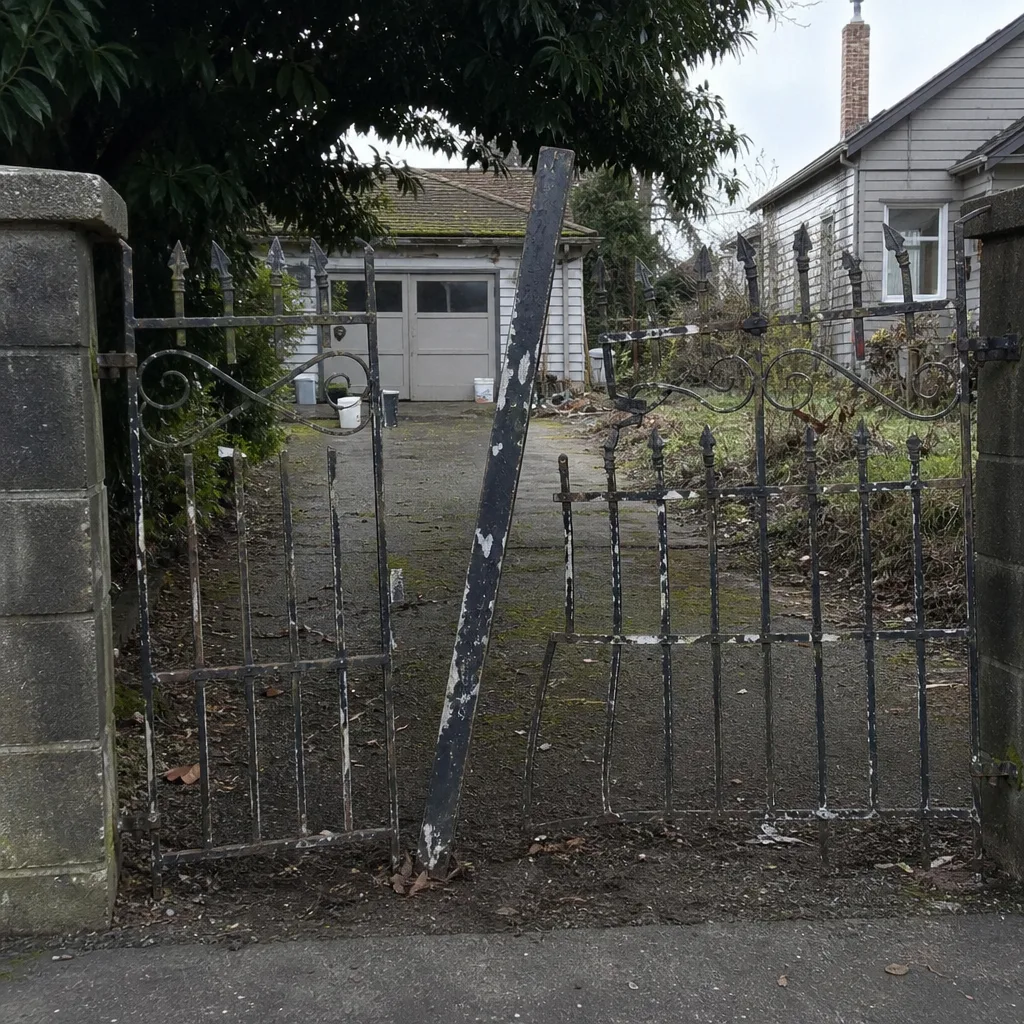 Before
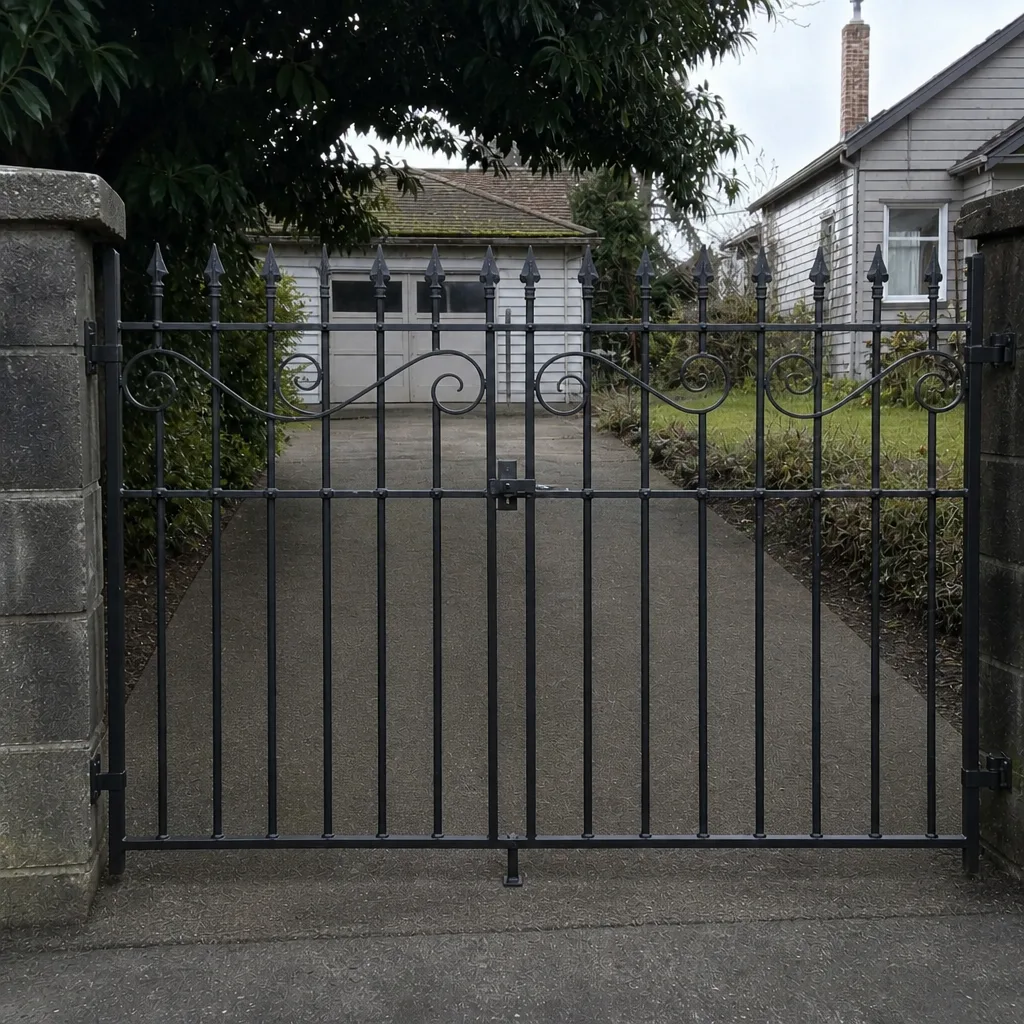 After
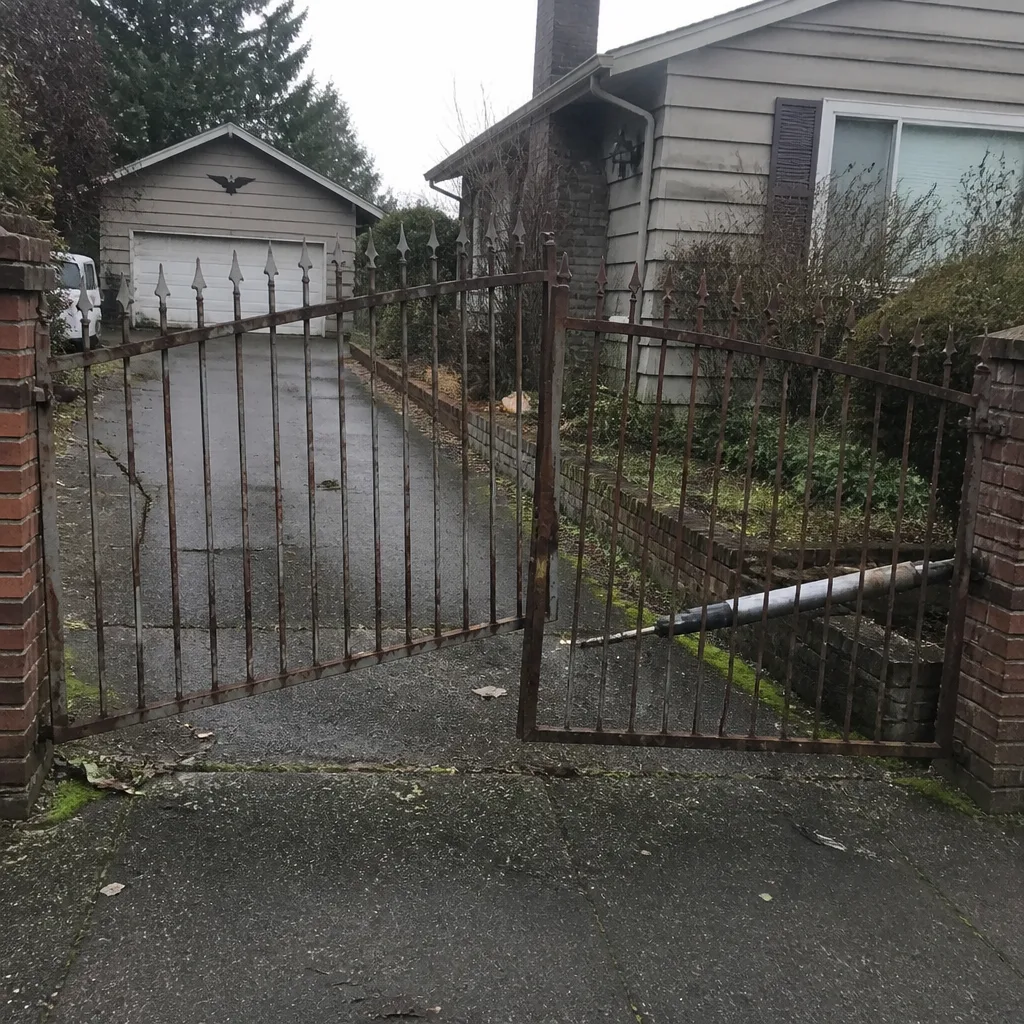 Before
 After
 Before
 After