
Last updated November 15, 2026
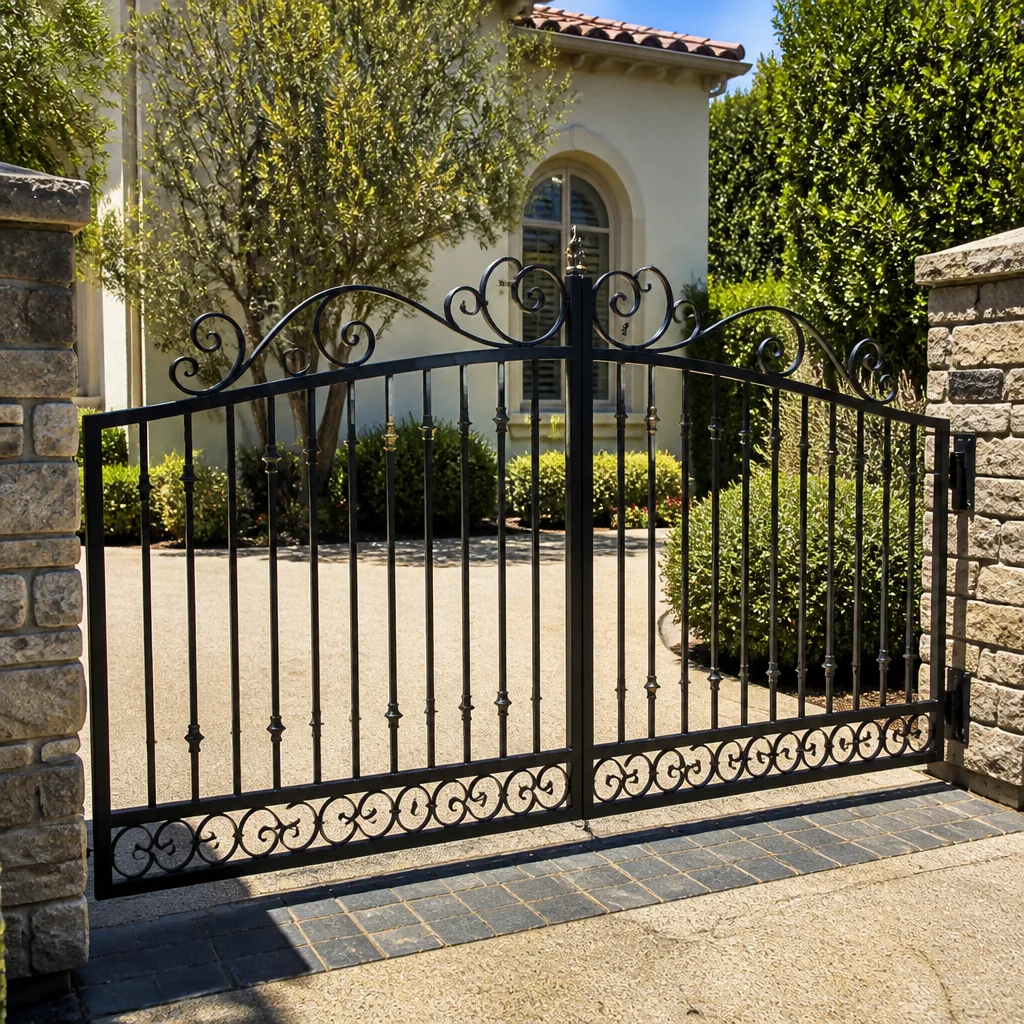 Wrought iron
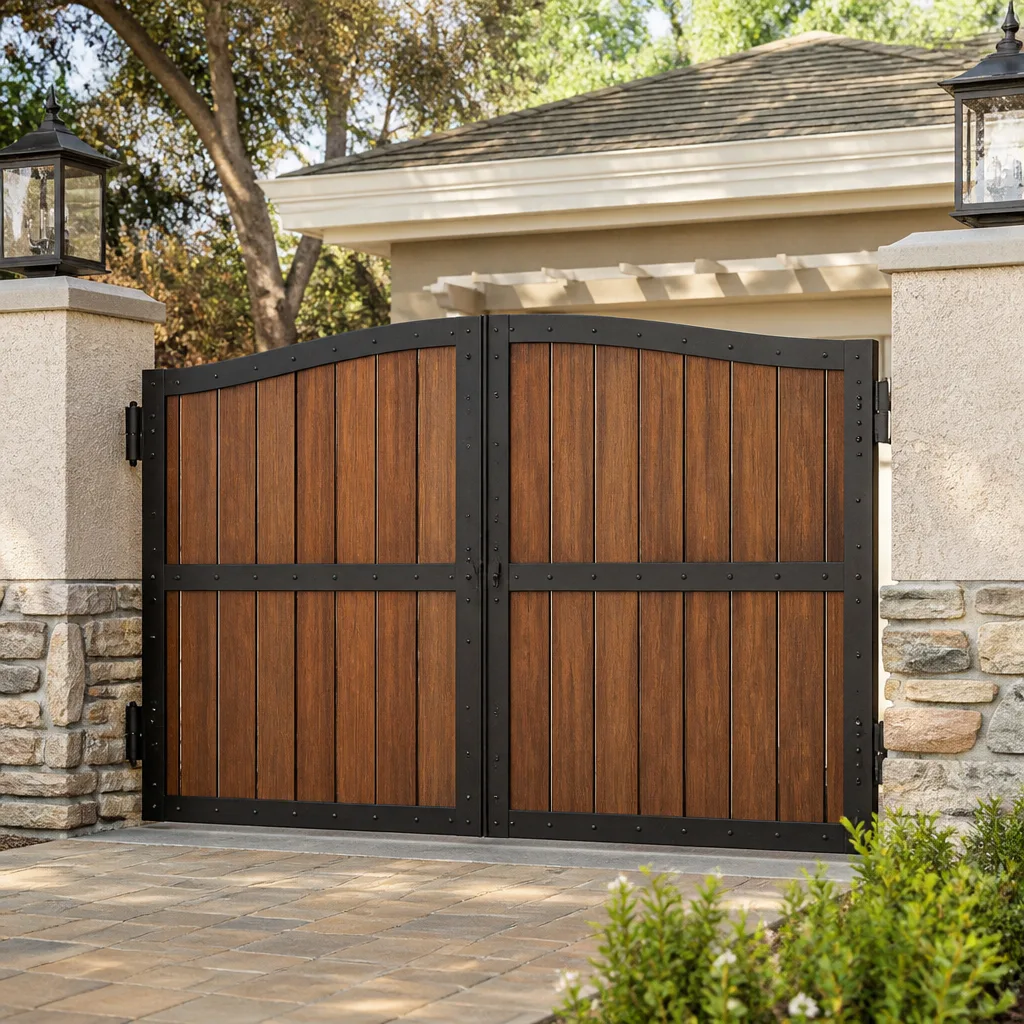 Wood & steel frame
 Farm & ranch
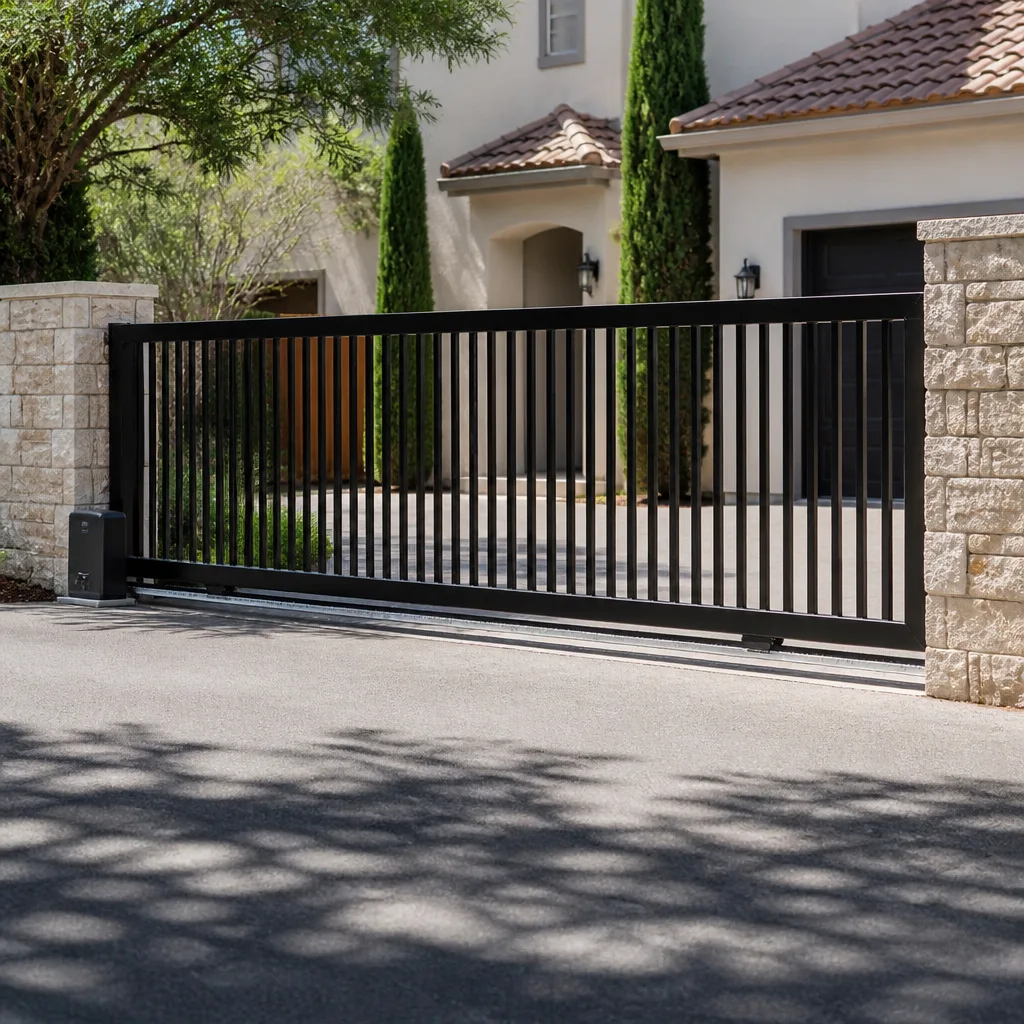 Sliding driveway gates
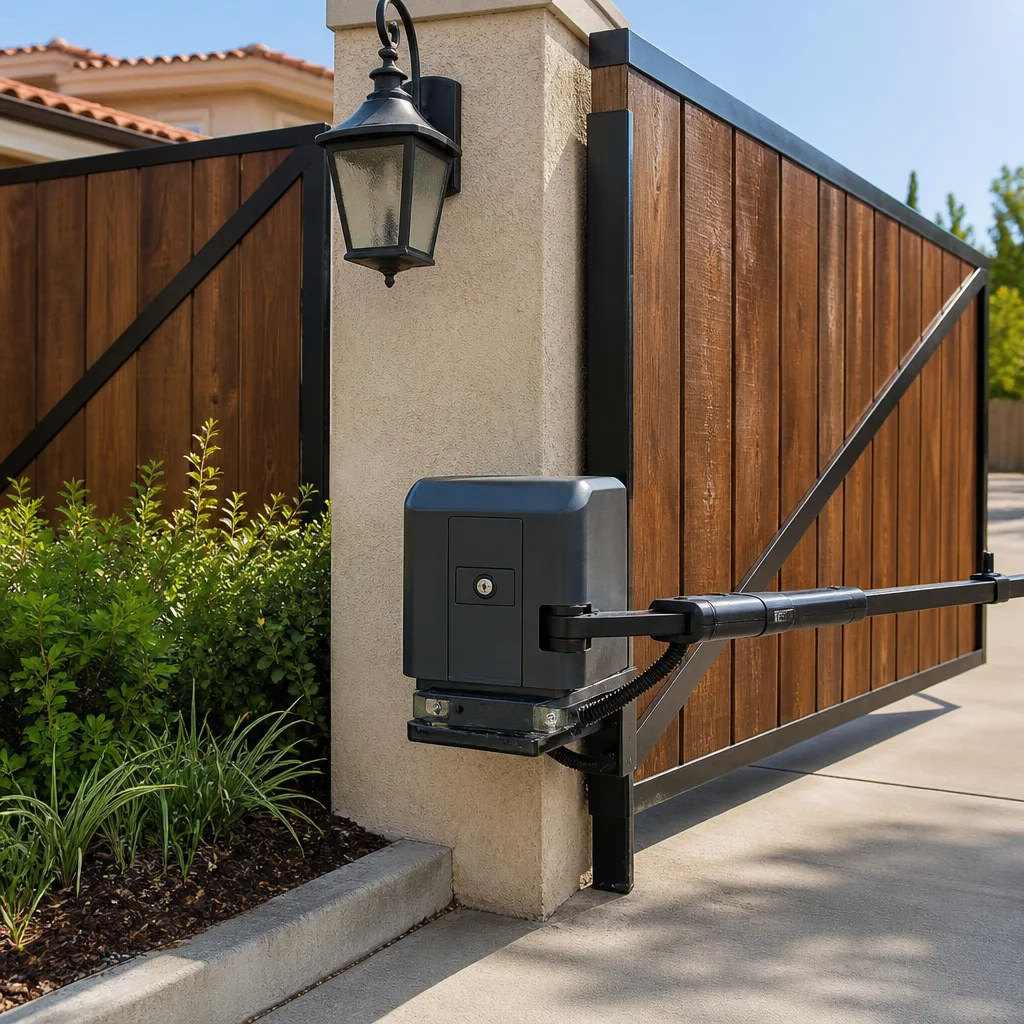 LiftMaster operators
Free on-site gate assessment - hinges, posts, and your LiftMaster or Nice gate operator checked before anything is quoted
The assessment is free and the quote is the invoice.
Get your free estimateGate Repair Warning Signs: A Gresham Homeowner’s Reference Guide
A gate that’s slow to open is not always a motor problem. That’s the first thing we tell people who call us convinced their operator is dying. In our experience, the slowdown is just as often a track packed with grit, a limit switch that’s drifted out of position, or a loop detector reading a phantom vehicle. Diagnosing it as a motor problem before you check those three things is how most misdiagnoses start, and it’s how money gets spent on parts that were never the issue. This guide breaks down gate warning signs by component and by gate type, because a grinding noise on a chain-drive slide gate in Gresham means something very different from a grinding noise on a swing gate with a ram-style operator. You’ll learn how to tell electrical symptoms from mechanical ones, how to separate operator issues from structural ones, and which three signs people most often ignore right up until the gate quits completely.
Quick Answer
The most reliable gate repair warning signs are grinding or scraping sounds, hesitation or stalling mid-travel, the gate reversing without obstruction, a gate that won’t respond to the remote at all, and visible sag, tilt, or wheel wear. Grinding usually points to a mechanical problem (track, wheels, hinges, chain), while refusal to respond or random reversal usually points to an electrical one (control board, limit switches, loop detector, photo eyes). Matching the symptom to the right category before you call is what gets a gate fixed correctly the first time.
Styles & brands we work with
- Wrought iron
- Wood & steel frame
- Farm & ranch
- Sliding driveway gates
- LiftMaster operators
Table of Contents
- Warning Sign Decoder by Gate Type
- Electrical vs. Mechanical Warning Signs
- Operator Issues vs. Structural Issues: How to Tell the Difference
- Brand-Specific Warning Signs: What Your Operator Is Telling You
- The Three Signs Gresham Homeowners Most Often Ignore
- How Gresham Weather Accelerates Gate Wear
- A Step-by-Step Self-Check Before You Call
- Safety Warning Signs That Need Immediate Attention
Warning Sign Decoder by Gate Type
The same symptom can mean three different things depending on what kind of gate you have. This is the single biggest reason generalists misdiagnose gate problems: they apply swing-gate logic to a slide gate, or barrier-arm logic to a residential driveway gate, and the fix misses. Before you call anyone, identify your gate type and read the symptom against the right column.
Swing Gates
Swing gates pivot on hinges and are driven either by an underground or above-ground ram-style operator, or by an articulated arm. Watch for:
- Grinding at the hinge: almost always hinge wear or a sagging post, not the operator. The arm is fighting a gate that no longer swings freely.
- Hesitation at the start of travel: often a ram operator losing hydraulic pressure, or a limit switch set too tight so the operator thinks the gate is already closed.
- Reversal mid-swing: typically photo eyes, a loop detector, or a binding hinge creating resistance the operator reads as an obstruction.
- Slamming or hard stops: a failed soft-stop setting or a worn hydraulic unit on a ram operator.
Slide Gates
Slide gates roll along a track or are cantilevered, driven by a chain, rack-and-pinion, or a floor-mounted operator. Watch for:
- Grinding or jumping: nearly always the track, the guide wheels, or a chain that’s loose, dry, or misaligned. On a chain-drive slide gate this is a mechanical diagnosis, not an operator one.
- The gate drifting after it stops: a slipping clutch or a worn chain sprocket.
- Operator runs but the gate doesn’t move: a broken chain, a sheared keyway, or a decoupled drive. The motor is fine; the link between motor and gate isn’t.
- Gate dragging at one end of travel: track level, a sunken footing, or a worn cantilever carriage.
Barrier Arm Gates
Barrier arms (common on commercial lots and property-manager sites around Gresham) swing horizontally on a single pivot and use a counterweight rather than a track. Watch for:
- Arm sagging or not sitting level: counterweight balance or a worn pivot bearing.
- Arm cycling continuously: a loop detector misreading or a vehicle-detection logic fault.
- Arm failing to raise: most often a control board, a limit switch, or a power fault, since barrier arms have almost no mechanical load to fight.
If your gate’s symptom doesn’t match what you expected for its type, that mismatch is itself useful information. Bring it up when you call for gate repair and it will speed up the diagnosis.
Electrical vs. Mechanical Warning Signs
This is the distinction that saves the most money and the most frustration. When an electrical fault gets treated as a mechanical one, a technician replaces a chain or a wheel that was never the problem. When a mechanical fault gets treated as electrical, a control board gets swapped and the gate still grinds. Sorting symptoms into the right category before any parts are ordered is the core of a good diagnosis.
Electrical Warning Signs
- No response at all from the remote, keypad, or intercom, but the gate moves freely by hand when disengaged.
- Random or unexplained reversal with nothing in the path.
- Gate opens but won’t close, or closes but won’t open (a classic limit switch or photo-eye symptom).
- Intermittent operation that seems to track with weather or time of day.
- Operator light or display showing an error state.
- Buzzing from the control box without movement.
Mechanical Warning Signs
- Grinding, scraping, squealing, or popping during travel.
- The operator hums and runs but the gate doesn’t move (usually a drive link, chain, or coupling, not the board).
- Visible sag, tilt, or the gate dragging on the ground.
- Wheels, rollers, or hinges that are worn flat, cracked, or loose.
- The gate binding at a specific point in its travel, every time.
One quick test separates the two: disengage the operator (most residential operators have a manual release) and move the gate by hand. If it rolls or swings smoothly and easily the whole way, the mechanical side is largely healthy and the fault is electrical. If it drags, binds, or grinds, you have a mechanical problem that no control board will fix. Re-engage the operator before testing anything electrical, and don’t test the operator with the gate disengaged.
Operator Issues vs. Structural Issues: How to Tell the Difference
A gate is a machine bolted to a structure, and either half can fail. Homeowners often assume every problem is the operator because the operator is the expensive part, and it’s the part with a brand name on it. In practice, a large share of “operator problems” we’re called to are actually post, hinge, rail, or wheel problems that the operator has been compensating for until it couldn’t anymore.
Tests That Point to the Operator
- Disengage and move by hand. If the gate is smooth and free but the operator won’t drive it, the fault is in the operator or its wiring.
- Watch the operator, not the gate. If the operator’s arm or chain runs but the gate doesn’t follow, the problem is the connection between them (coupling, chain, keyway, arm).
- Listen at the control box. Relays clicking without motor movement is a control-side symptom, not a mechanical one.
Tests That Point to Structure
- Sight down the gate edge. A gate that no longer hangs square has a post, hinge, or rail problem. The operator will struggle to move a gate that’s out of true.
- Check the track (slide gates). Debris, settling, or a bent track will cause drag the operator reads as an obstruction and reverses on.
- Inspect wheels and hinges. Flat-spotted wheels, worn hinge pins, and cracked hinge plates all cause the same hesitation and reversal symptoms as an electrical fault.
- Look at the footings. A post that has shifted or a footing that’s heaved will throw the whole gate out of alignment, and the operator will fight it every cycle.
If the disengaged gate moves freely, the structure passes the basic test and you’re likely looking at an electric gate repair job. If it drags, address the structure first. Replacing an operator on a gate that still binds is how a repair bill turns into two repair bills. A free estimate will sort out which side of that line your gate is on before any work starts.
Brand-Specific Warning Signs: What Your Operator Is Telling You
Modern operators aren’t silent. Most of them are trying to tell you exactly what’s wrong through error codes, diagnostic lights, and display panels. The trouble is that the message is in the operator’s language, and you need to know which brand you’re reading. We work on nearly every major gate brand, including LiftMaster, FAAC, BFT, Linear, Viking, Ghost Controls, DoorKing, Elite, and Mighty Mule, and the diagnostic language differs across all of them. Here’s what to watch for on a few of the most common systems.
LiftMaster Error Codes
LiftMaster residential and light-commercial operators typically use a diagnostic code system flashed through an LED on the control board or an error display on the operator head. The codes usually point to a specific fault category (obstruction, limit, logic board, photo eye, or motor) rather than a specific part. If your LiftMaster is flashing a code intermittently, count the flashes and note when they occur (during open, close, or at a stop), and bring that to the service call. The code is usually the fastest route to the right diagnosis.
Viking Diagnostic Lights
Viking gate operators commonly use diagnostic indicator lights on the control board that show power, input state, and limit position. A light that’s on when it shouldn’t be, or a row that goes dark during travel, usually maps to a specific input fault (loop, photo eye, safety edge, or limit). Viking is a brand where reading the diagnostic lights correctly is often faster than probing with a meter, so if you have the manual, keep it handy.
FAAC Control Board Indicators
FAAC’s control boards (common on swing and slide gates, and on commercial systems) typically display status through onboard LEDs and, on higher-end models, a programming display. FAAC indicators often distinguish between “waiting for a command,” “command received, motor inhibited,” and “fault” states, which is a much more useful distinction than a simple “not working.” On a FAAC system, the indicator state often tells you whether the fault is upstream (input) or downstream (motor or board), which changes the fix entirely.
Mighty Mule and Ghost Controls
On the budget end, Mighty Mule and Ghost Controls systems usually rely on simple LED indicators and audible beeps rather than numeric codes. On these brands, a beeping operator or a specific LED state typically points to an obstruction, a low battery, or an alignment fault on the safety sensors. These are also the brands most often installed by DIYers, so if your gate came with the house, identifying the brand is the first step before any diagnosis.
Across all brands, the pattern holds: the operator is usually telling you something. If your gate’s indicator lights don’t make sense, or you can’t find the manual, that’s the point to call. Free estimates are the cheapest way to find out.
The Three Signs Gresham Homeowners Most Often Ignore
Some warning signs get attention immediately. Others get talked past for weeks until the gate fails outright. Across Gresham, these three are the ones we most often see ignored right up until a full failure, and in our experience each reliably precedes a complete breakdown within 30 to 60 days.
1. The gate runs slower than it used to
A slow gate is a stressed gate. Whether it’s a slide gate’s track packed with grit, a swing gate’s hinge losing its free swing, or a slide gate’s chain going slack, the operator is compensating for increasing resistance. The slowdown is the warning. Once the resistance passes the operator’s torque threshold, it either reverses, stalls, or burns out a component. A slow gate is the cheapest and easiest warning sign to act on, and it’s the one most often left alone to “see if it gets better.”
2. The gate reverses and then “fixes itself”
Intermittent reversal is a gate telling you something is marginally out of alignment: a photo eye that’s slightly dirty or misangled, a loop detector with a flaky connection, or a hinge that binds only at a certain temperature. It feels like a fluke because it doesn’t repeat every cycle. It isn’t a fluke. Intermittent faults are the hardest to diagnose once the gate has fully failed, because the conditions that caused them are gone. Catching it while it’s still intermittent is far easier than after.
3. Visible wear on wheels, hinges, or hinges plates
Flat-spotted wheels, worn hinge pins, and hairline cracks in hinge plates are cheap to fix while the gate is still moving and expensive to fix after the gate has jumped a track, dropped a slide-gate carriage, or bent a drive arm. Take a flashlight to your gate’s moving parts a couple of times a year. Wheels, rollers, hinge pins, chain tension, and track condition are the fastest visual check you can do, and it takes minutes. If you see wear, treat it as a scheduled repair, not an emergency one waiting to happen.
How Gresham Weather Accelerates Gate Wear
Gresham sits in a climate that works gates hard. Long stretches of wet weather, followed by dry summer stretches that swell and shrink wood, are the kind of conditions that loosen fasteners, corrode unprotected metal, and swell wooden gates against their frames. The signs of weather-driven wear show up faster and more consistently here than they would in a drier, more stable climate, and that shows up in specific ways.
- Wet-season swelling: wooden gates swell against their posts during the wet months, binding in the frame. When the wood dries and shrinks back in summer, the gate loosens and starts to rattle. Both phases are warning signs for the operator, which has to compensate for the change in fit.
- Grit and moss on tracks: slide-gate tracks collect grit, moss, and runoff sediment over the wet months. A track that hasn’t been cleaned and inspected is a track that’s quietly wearing out your wheels.
- Fastener loosening: the freeze-thaw cycles that hit Gresham in the colder months work fasteners loose. Check your operator mounting bolts, hinge plates, and post anchors a couple of times a year.
- Corrosion on exposed metal: unprotected chains, tracks, and hinges take on surface corrosion over the wet months. A little routine cleaning and lubrication goes a long way.
- Debris in the gate path: storm runoff carries leaves and grit into slide-gate tracks and swing-gate paths. Periodic clearing prevents the operator from fighting obstructions.
For property managers across Gresham with multiple gate systems, put a seasonal inspection on the calendar for the transition from wet to dry and from dry to wet. The two seasonal shifts are when weather-driven faults surface. If your gate is already showing signs of weather wear, a free estimate is the fastest way to know what needs attention now versus what can wait.
A Step-by-Step Self-Check Before You Call
You can narrow down the fault before you call, and it makes the service visit faster and more accurate. Here’s the sequence we suggest, in order, with no tools and no disassembly. If any step feels unsafe, stop and call.
- Identify your gate type and operator brand. Swing, slide, or barrier arm; and which brand. Note the model if you can find it on the operator housing. This single step determines which diagnostic language applies.
- Note the exact symptom. “It doesn’t work” becomes “it opens fine but won’t close, and reverses halfway” when you watch it once through a full cycle. Write it down.
- Check for obstructions. Clear leaves, grit, branches, and debris from the gate path, track, and photo-eye area. A surprising number of “faults” are obstructions.
- Test the remote and the keypad separately. If one works and the other doesn’t, the fault is in the input device, not the operator.
- Disengage the operator and move the gate by hand. Smooth and free means electrical. Drag, bind, or grind means mechanical. Re-engage before any further testing.
- Read the operator’s indicator. Note any error code, flashing light pattern, or beep sequence. Don’t clear it. Bring it to the call.
- Check the power source. Tripped breaker, unplugged transformer, or a low battery on a solar-equipped operator are all easy to check.
Once you have those seven answers, you’re in a position to describe the fault accurately, and accurate description is what makes the first visit productive. If a step makes you uneasy, stop there. Safety comes first, and we answer 24/7 to talk through what you’re seeing.
Safety Warning Signs That Need Immediate Attention
Some warning signs are about scheduling a repair. Some are about stopping use of the gate right now. Gate operators carry real force, and a gate that has lost its safety features or its structural integrity can hurt someone. If you see any of these signs, stop using the gate until a technician has looked at it.
- Safety edges, photo eyes, or loop detectors not working. These are the gate’s primary protection against closing on a person or vehicle. A gate that closes without them working should be locked open until repaired.
- Gate reversing only sometimes. A gate that reverses intermittently may be reversing because something is in the way, or because the safety input has a loose connection. Either way, the safety response is compromised.
- A slide gate that has come off its track or carriage. A heavy panel on a failed track can tip, drop, or swing free. Don’t try to force it back on yourself.
- Sparks, burning smell, or water in the control box. This is an electrical fault. Turn off power at the breaker and call.
- A swing gate that has dropped or is sagging badly. A swinging panel on a failed hinge can come down or swing unpredictably under operator power.
- Exposed wiring or a damaged conduit. Don’t probe it. Turn off power and call.
Wiring, control boards, and the high-force drive components on a gate are not homeowner territory. A trained technician with the right tools and the right brand knowledge is the safe and faster path. If you’re not sure whether a symptom is in the “wait” or “stop using” category, stop using the gate and call.
Common Mistakes to Avoid
- Assuming every slowdown is a motor problem. Before you price a replacement operator, check the track, the limits, and the loop detector. In our experience most slow gates are mechanical or input faults, not motor failures.
- Replacing the control board before checking the inputs. A failed photo eye, a misaligned loop, or a bad keypad can mimic a dead board. Test the inputs first; the board is the expensive part.
- Ignoring intermittent reversal. “It fixes itself” is not a fix. Intermittent faults become full failures, usually at the worst possible time, and they’re much harder to diagnose once the conditions that caused them are gone.
- Greasing a track instead of cleaning it. On slide gates, grit plus grease equals grinding paste. Clean the track first, then apply the lubricant the manufacturer recommends, and don’t apply it to surfaces that need friction (like a drive tire).
- Running a gate with a broken safety feature “just for now.” “Just for now” is how a person gets hurt. If a safety edge, photo eye, or loop detector isn’t working, lock the gate open until it’s repaired.
- Calling a generalist for a brand you haven’t identified. If the technician doesn’t know your model, they’ll spend the visit learning it. Identify the brand and model first, and call someone who works on gates as their trade.
- Ignoring weather-driven wear between seasons. In Gresham, wet-to-dry and dry-to-wet transitions are when gate faults surface. A quick visual check at each transition catches most of them while they’re still cheap to fix.
See the difference
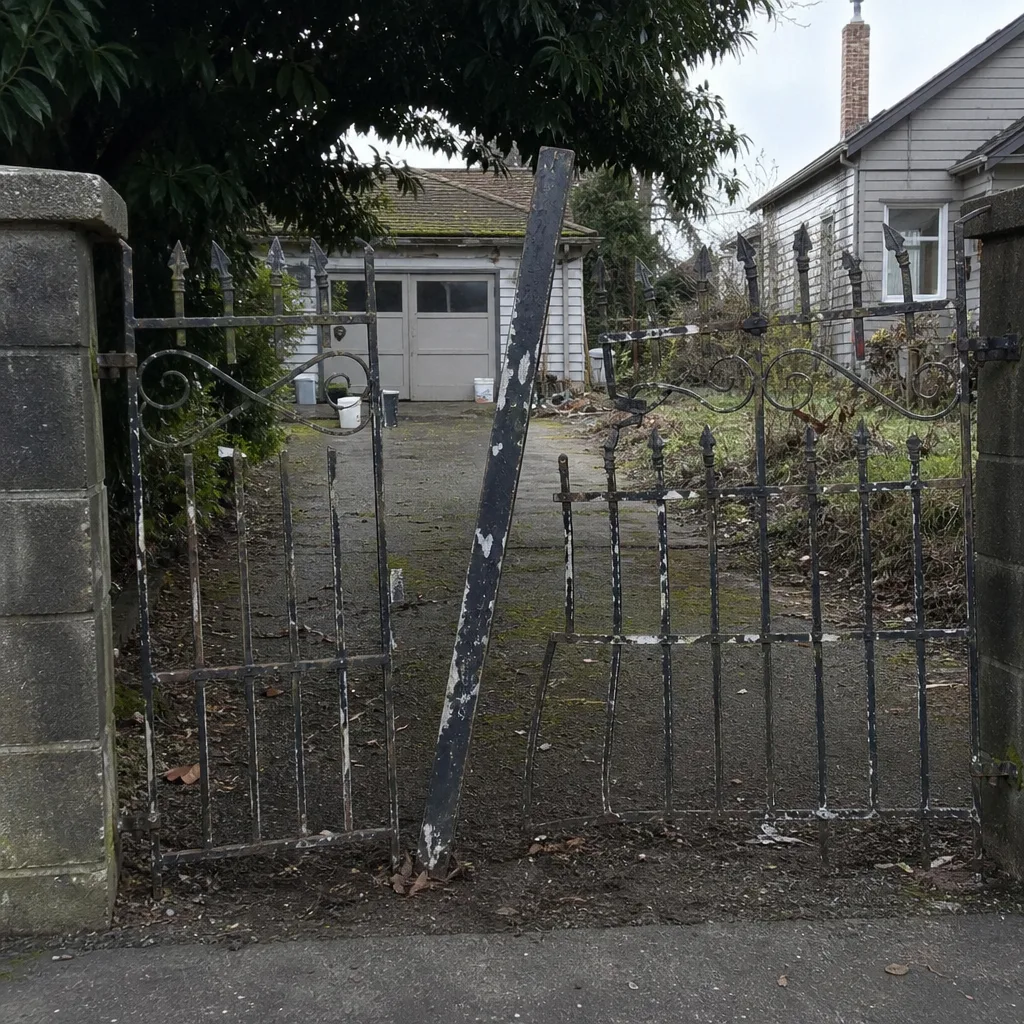 Before
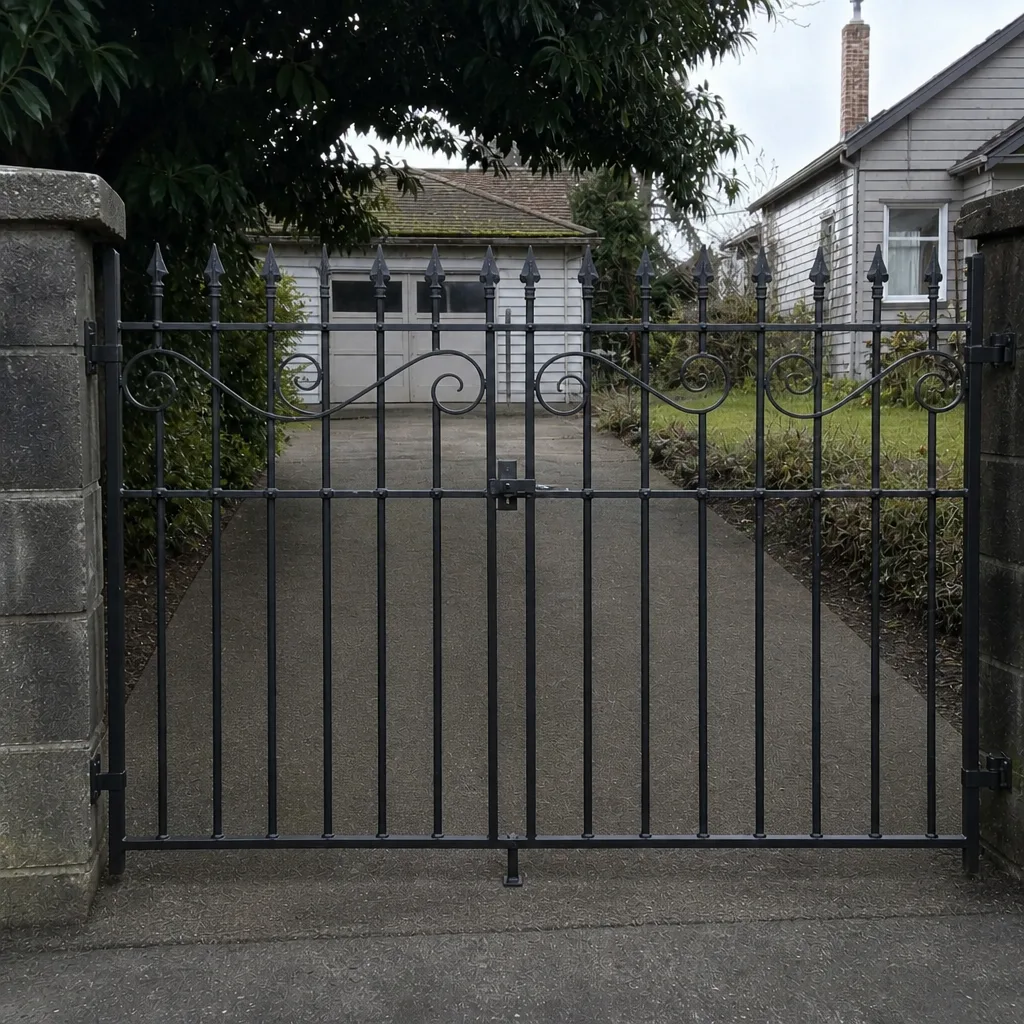 After
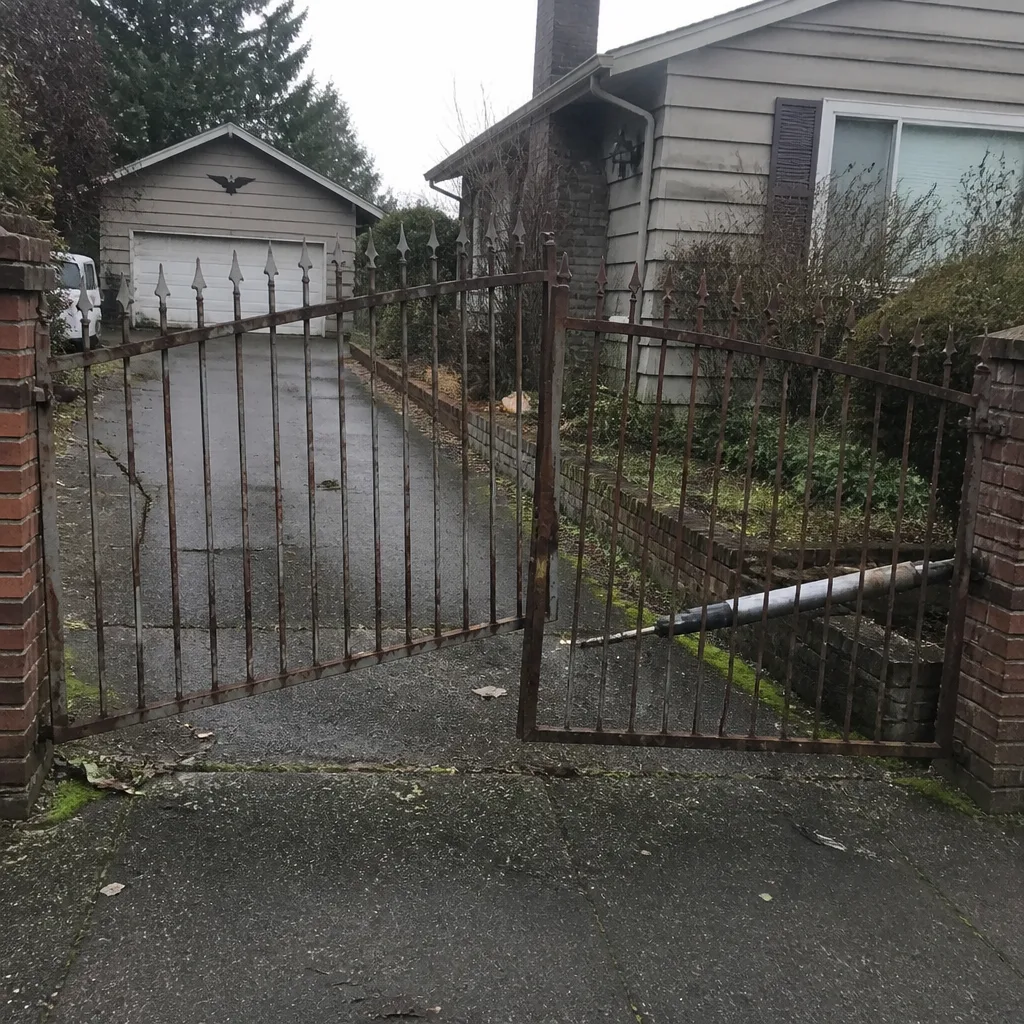 Before
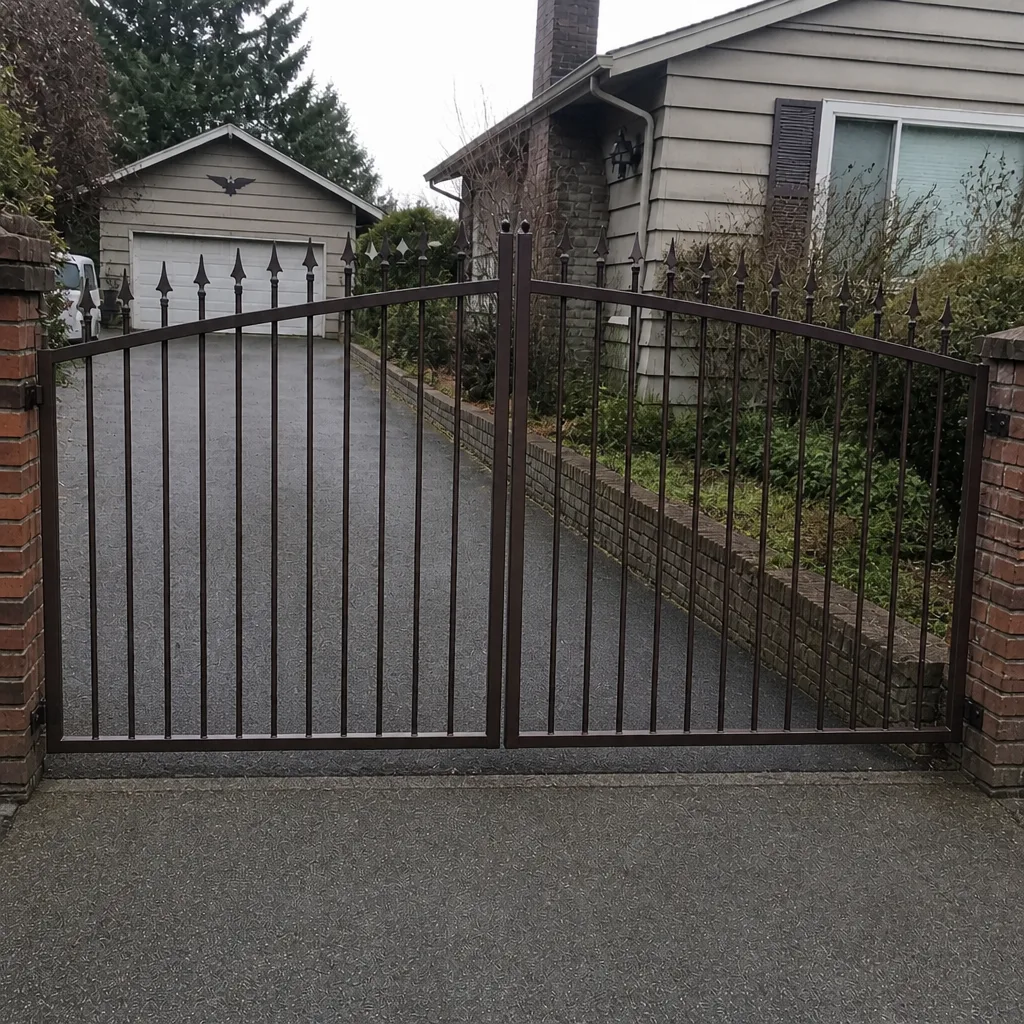 After
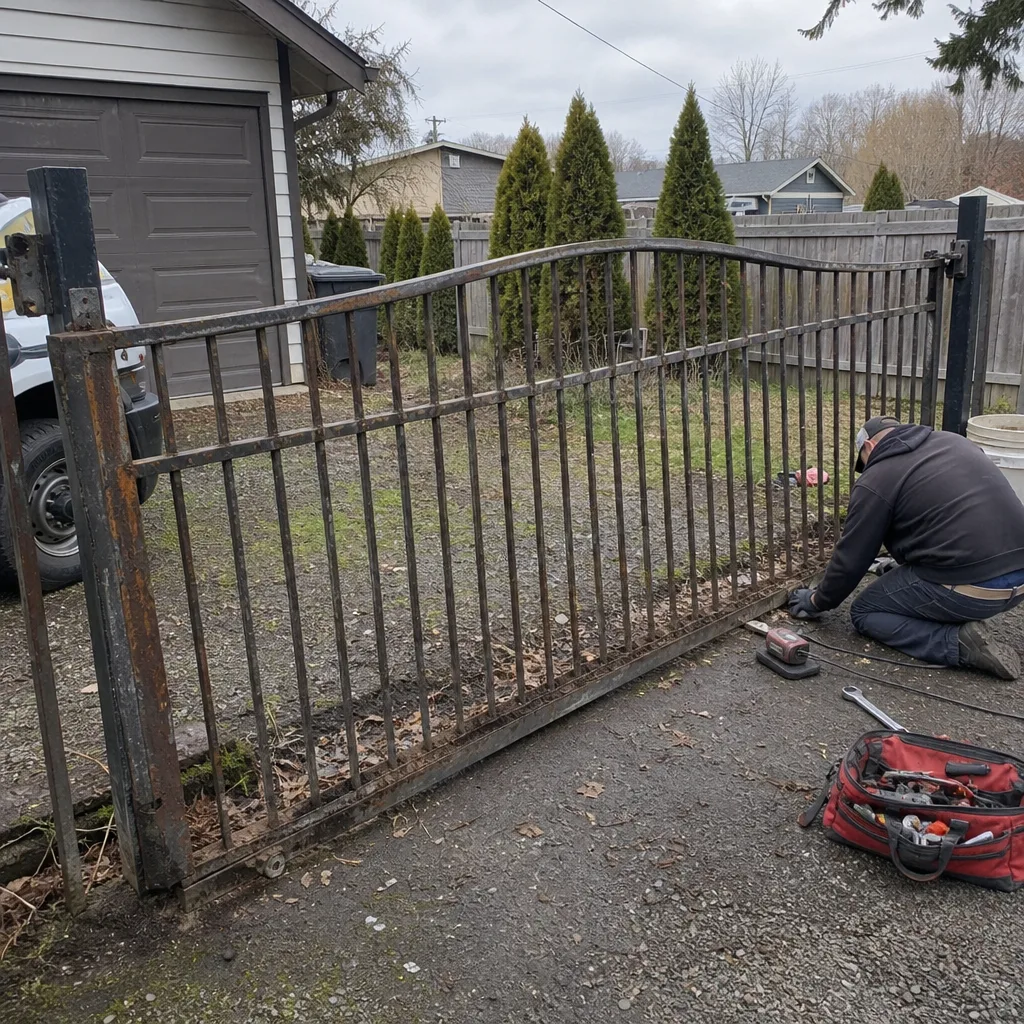 Before
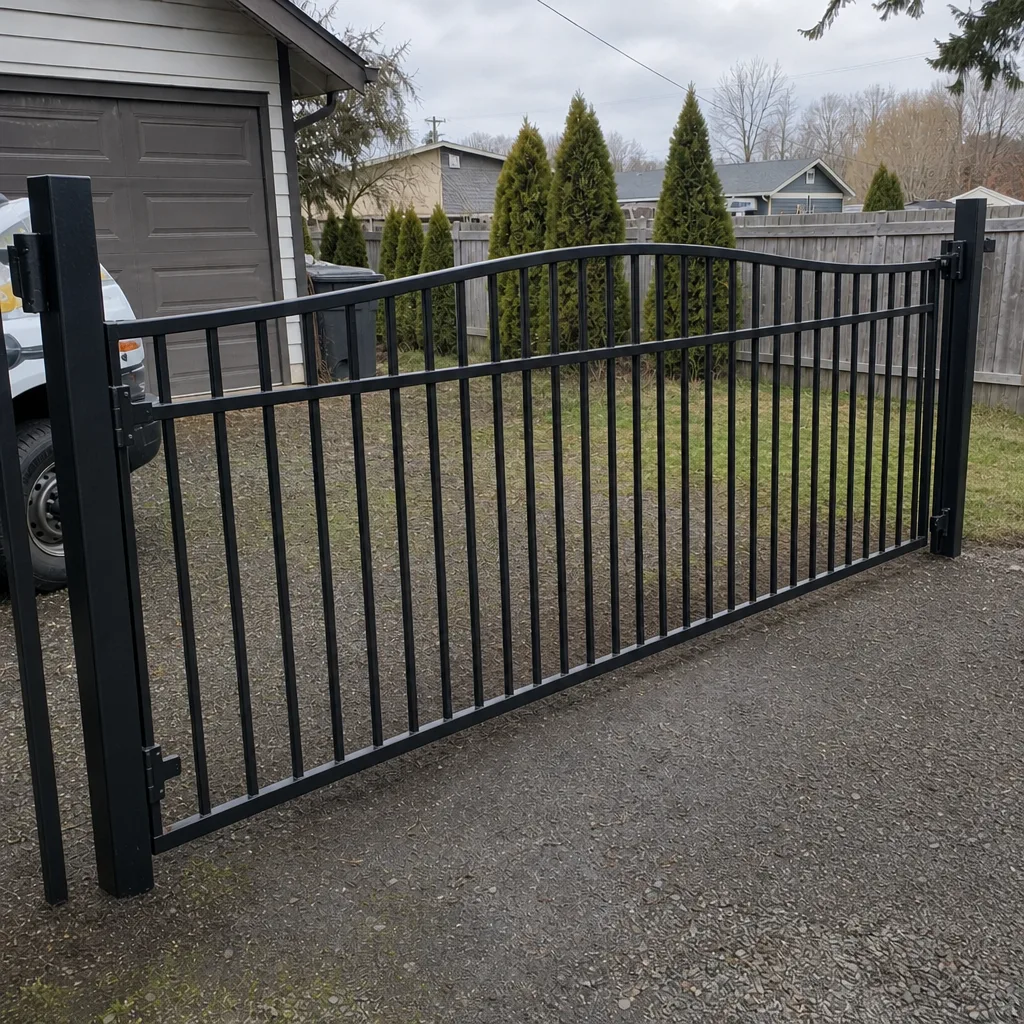 After
When to Call a Professional
Call a professional when the disengaged gate drags, when the operator won’t respond, when a safety feature isn’t working, or when the symptom is intermittent and you can’t reproduce it on demand. Also call when you don’t know the brand or model, when the gate’s structure is visibly compromised (sagging, dropped, or off track), and when you’ve tried the basic checks and the fault persists. Gate repair is all we do, and that focus matters here: the same symptom on a chain-drive slide gate and a swing gate with a ram-style operator points to two different fixes, and recognizing which is which is the whole diagnosis. Gate Repair Gresham offers free estimates in Gresham, we work on nearly every major gate brand, and the price is quoted and agreed before any work starts. Call (866) 942-6384. We answer 24/7. Fast dispatch from 7am to 7pm, Sunday through Friday.
Frequently Asked Questions
Grinding or scraping during travel, hesitation or stalling mid-movement, unexplained reversal, no response to the remote or keypad, visible sag or tilt, and worn wheels or hinges. Grinding usually points to a mechanical problem (track, wheels, chain, hinge), while refusal to respond or random reversal usually points to an electrical one (control board, limit switches, loop detector, photo eyes). Matching the symptom to the right category first is what saves the most time and money. If you’re not sure which category yours falls into, call (866) 942-6384 for an exact quote; estimates are free.
Gate repair in Gresham is priced per job by a written estimate, and the estimate is free. The cost depends on the specific fault (mechanical vs. electrical), the gate type, and the brand on your system, since some operators require different parts and diagnostic routines. We quote the price and agree it with you before any work starts, so an invoice never shows up larger than the number you were given. Call (866) 942-6384 for an exact quote; estimates are free.
No. Grinding is usually a mechanical problem: a track packed with grit, a worn wheel or roller, a loose or misaligned chain, or a worn hinge. On a slide gate it almost always points to the track, the wheels, or chain tension. On a swing gate it usually points to a hinge or a post issue the operator is fighting. Replacing an operator on a gate that still grinds is money spent on the wrong part. The free estimate is the fastest way to know which side the fault is on before any parts are ordered.
We work on nearly every major gate brand, including LiftMaster, FAAC, BFT, Linear, Viking, Ghost Controls, DoorKing, Elite, and Mighty Mule. That range covers residential driveway gates (Mighty Mule and Ghost Controls) through commercial access systems (FAAC, BFT, DoorKing), so whether it’s a LiftMaster operator or a FAAC commercial system, we know the hardware. If you’re unsure of your brand, that’s fine; identifying the model is part of the diagnosis. Call (866) 942-6384 for an exact quote; estimates are free.
Yes. Gresham’s long wet season followed by a dry summer works gates hard: wood swells and then shrinks, gate fit changes, fasteners loosen, and tracks collect grit and moss. The seasonal transitions (wet to dry and dry to wet) are when most weather-driven faults surface. A quick visual check of wheels, hinges, chain tension, and track condition at each season change catches most of them while they’re still cheap to fix. If a fault has already surfaced, call (866) 942-6384 for an exact quote; estimates are free.
We’ll ask what your gate is doing and what type it is (swing, slide, or barrier arm), read your symptom against the right diagnostic pattern, and schedule a free estimate at your property. We answer 24/7. Fast dispatch from 7am to 7pm, Sunday through Friday. You get an upfront price agreed before any work starts, and from that first repair through a full replacement or new installation, you keep the same point of contact. Call (866) 942-6384.
The Bottom Line
Gate warning signs are the gate telling you which component is under strain. A grinding noise on a chain-drive slide gate points to the track, wheels, or chain. The same noise on a swing gate points to a hinge or a post. Slowness, hesitation, and reversal are often input or mechanical faults, not motor failures, and treating them as motor failures is how money gets spent on parts that were never the issue. The three signs most often ignored in Gresham, a slower gate, intermittent reversal, and visible wheel or hinge wear, reliably precede a full failure within 30 to 60 days. Read the symptom, check the structure before the operator, and call when the fault is intermittent, safety-related, or outside what a basic visual check can sort out.
Gate Repair Gresham is a gate specialist, not a generalist. We do gate repair, electric gate repair, and gate installation, and that’s it. We work on nearly every major gate brand, including yours. If your gate is showing any of the warning signs in this guide, call (866) 942-6384 for a free estimate. We answer 24/7. Fast dispatch from 7am to 7pm, Sunday through Friday. The price is quoted and agreed before any work starts.
Written by the team at Gate Repair Gresham.