
Last updated November 15, 2026
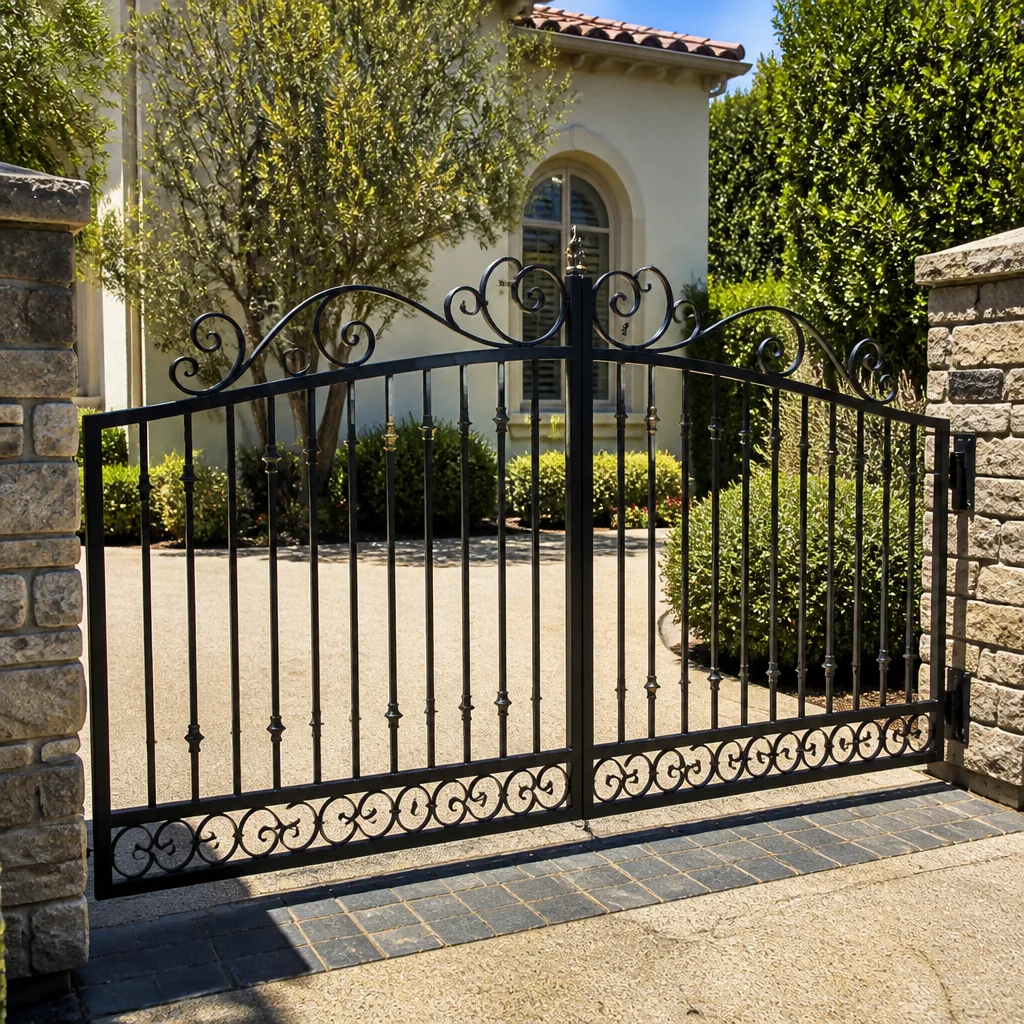 Wrought iron
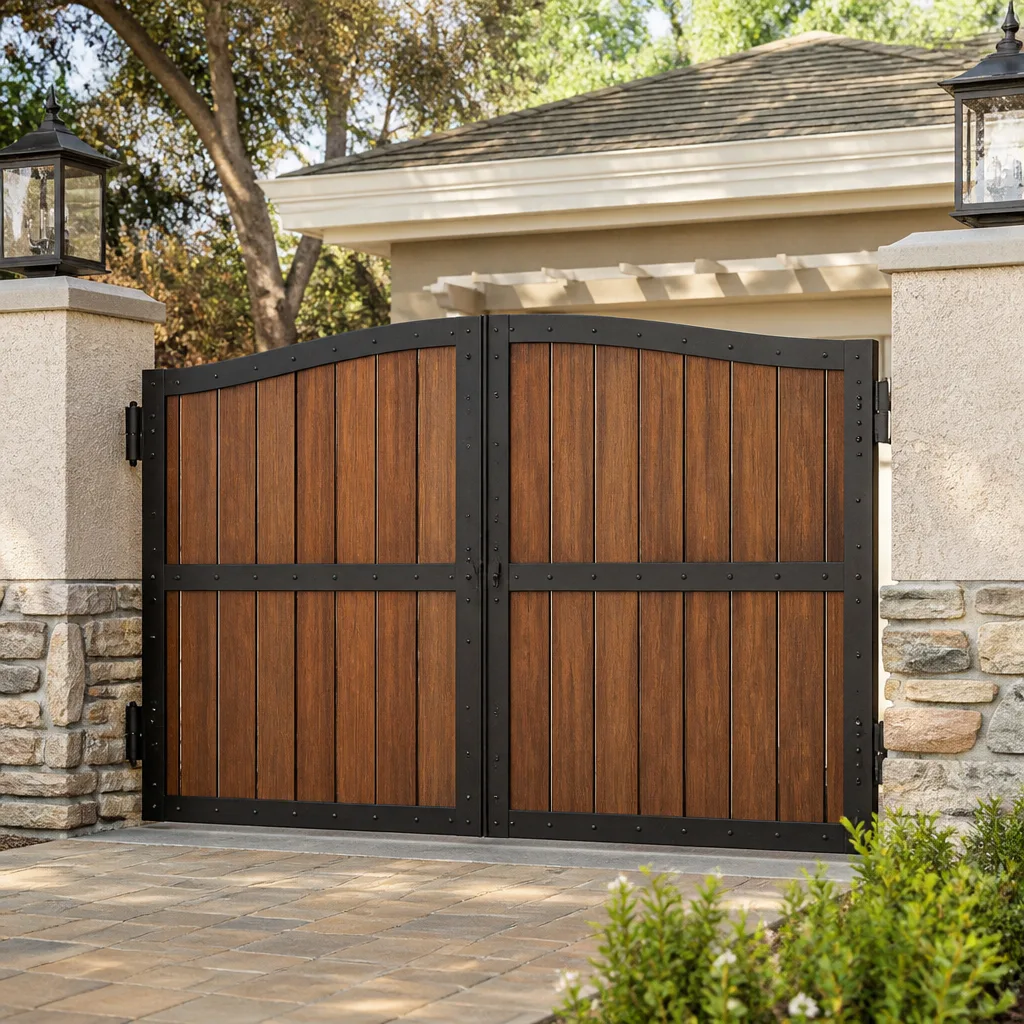 Wood & steel frame
 Farm & ranch
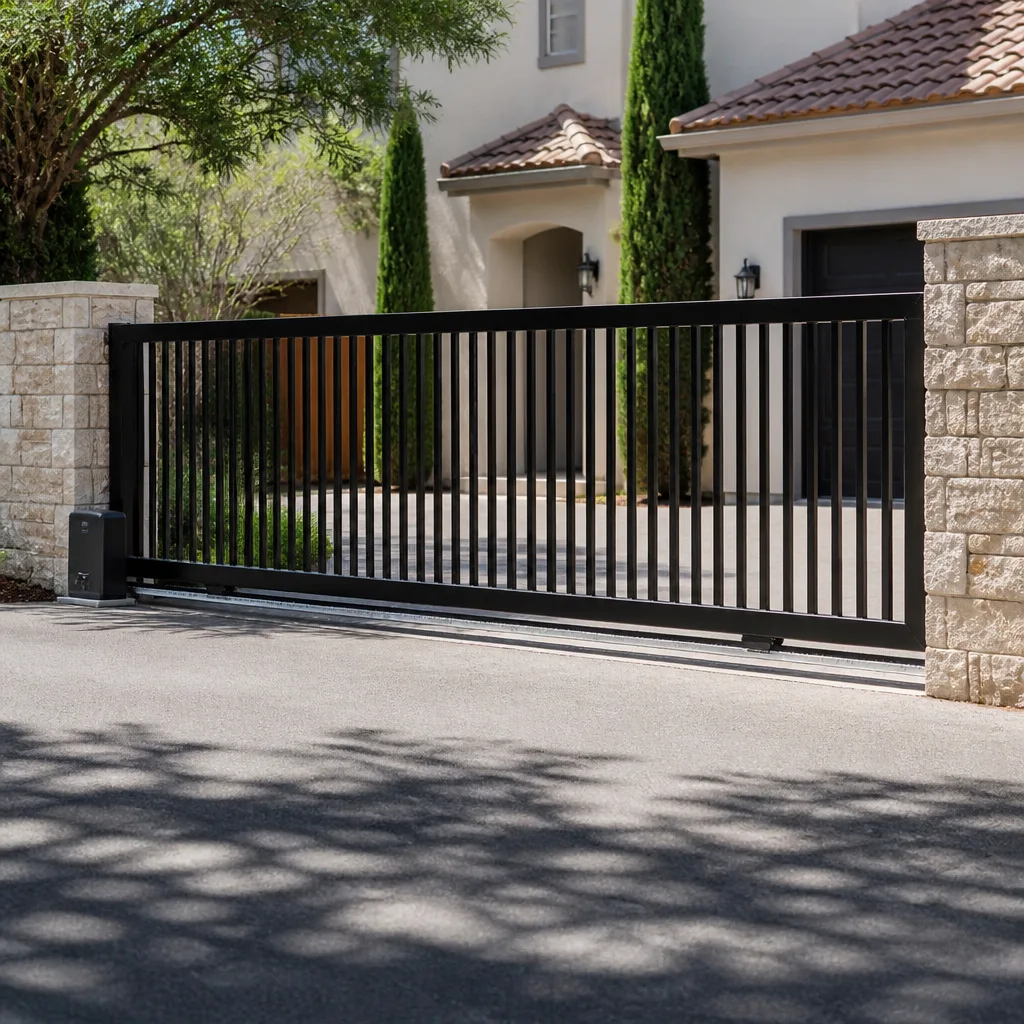 Sliding driveway gates
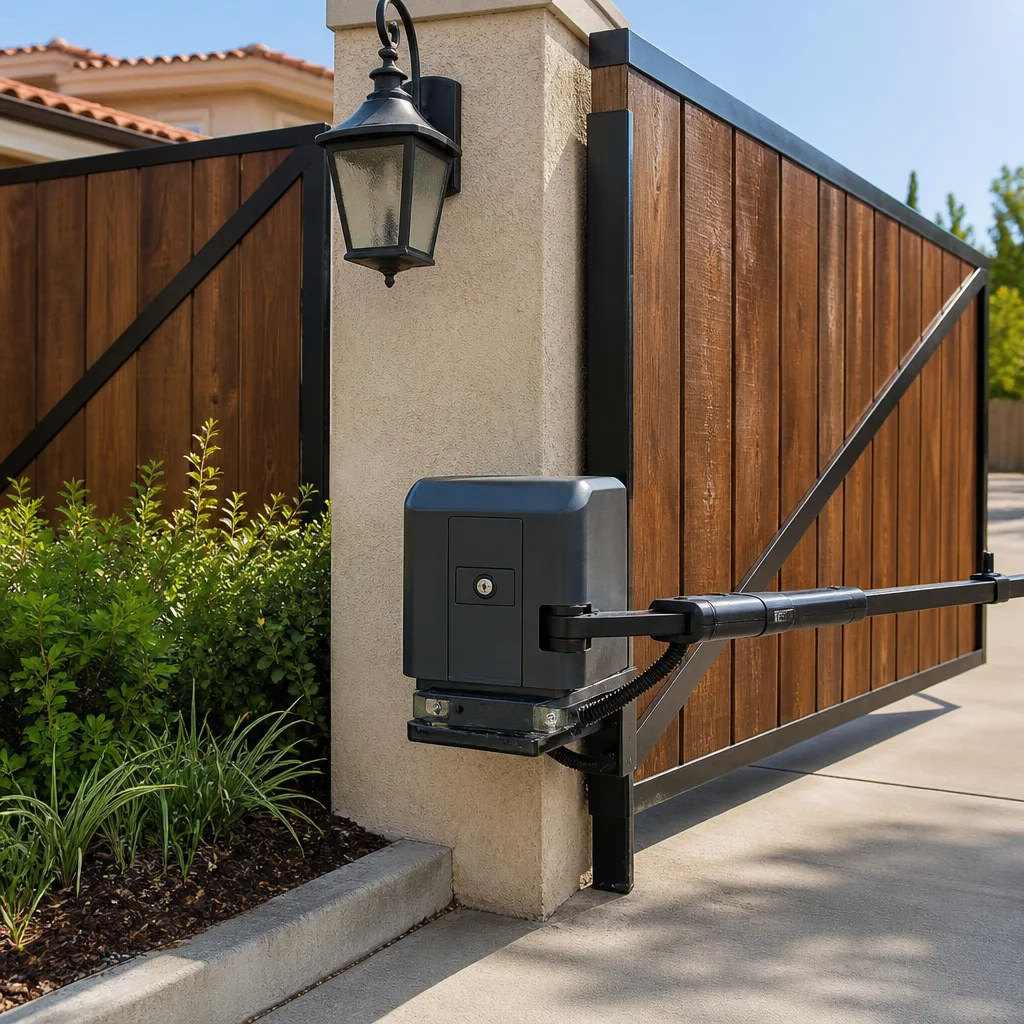 LiftMaster operators
Free on-site gate assessment - hinges, posts, and your LiftMaster or Nice gate operator checked before anything is quoted
The assessment is free and the quote is the invoice.
Get your free estimateSeasonal Gate Repair Care for Gresham: Year-Round Homeowner’s Guide
Most gate failures aren’t surprises. They’re the bill for something that went ignored months earlier. The gate that won’t open on a cold January morning in Gresham usually started failing back in October, when the expansion joints on a slide track tightened by a couple of millimeters and nobody noticed the alignment had shifted. Gresham’s weather isn’t Seattle’s gray drizzle and it isn’t the dry high desert east of the Cascades either. It’s a specific mix: wet, mild winters with repeated freeze-thaw cycles, a spring that arrives late and fast, and a summer that goes dry and sun-heavy. That pattern produces a predictable gate-damage calendar, and homeowners who work with it prevent the failures the rest of the neighborhood calls about. This guide walks the whole year, month by month, with the specific tasks that matter for each season.
Quick Answer
Seasonal gate care in Gresham means matching maintenance to the local weather pattern rather than following a generic monthly checklist. The two highest-return tasks are clearing slide gate tracks before the fall rains compact debris into hard obstructions, and checking post footings and hinge plates in late winter after repeated freeze-thaw. Cleaning and inspecting control panels and keypad covers before the dry summer sun is the third. Do those three and you avoid most of the failures that bring a technician out.
Styles & brands we work with
- Wrought iron
- Wood & steel frame
- Farm & ranch
- Sliding driveway gates
- LiftMaster operators
Table of Contents
- Why Generic Gate Care Fails in Gresham
- Fall Prep: Clearing Tracks Before the Rains
- Winter: Freeze-Thaw and Post Footings at the Hinge Plate
- Spring: Why Operators That Seemed Fine All Winter Fail
- Summer: UV Damage on Control Panels and Keypads
- The Month-by-Month Task Calendar
- What Changes With Your Gate Brand
- Common Mistakes to Avoid
Why Generic Gate Care Fails in Gresham
Most gate maintenance advice online is written for a place that doesn’t exist. It lists tasks by season but never connects them to actual local weather, so a homeowner ends up fertilizing the lawn and greasing a hinge while the real problem, a footing that shifts every time the ground freezes and thaws, goes unchecked. Gresham sits in a particular band of the Pacific Northwest. Winters are mild by national standards but in the colder stretch a cycle develops where the ground partially freezes, thaws, and freezes again, often several times over the same winter. Spring temperatures climb quickly. Summer dries out. That cycle repeats every year and drives a repeating set of gate problems.
So the calendar here looks different from a “spring cleaning, fall tune-up” schedule imported from a place with a long, hard freeze. The tasks that matter in Gresham are tied to specific mechanisms: moisture, expansion, ground movement, and sun exposure. Our technicians have up to 8 years of experience across residential driveway gates and commercial access gates, and the pattern is consistent. The failures that spike in a given month almost always trace back to conditions set in a previous season.
Gate repair is all we do, so this guide is written from that single focus. If you’d rather have a trained set of eyes walk the property, see Gate Repair Gresham for what a visit covers.
Fall Prep: Clearing Tracks Before the Rains
Fall is when the most preventable gate problems get locked in. As the rains return to Gresham, anything sitting on a slide gate track gets wet, compacts, and cures into a hard obstruction that the gate rollers then hit at speed. Leaves, twigs, soil, and grit combine under wheel pressure into something closer to concrete than the loose debris it started as. A slide gate that clears the track easily in September can be grinding through a buildup by the first heavy rains of November.
A solid fall prep routine looks like this, done before the wet season sets in:
- Clear the track fully. Sweep the entire length of the slide track and remove leaves, twigs, and soil rather than blowing them to one end. If debris has already compacted, use a stiff brush; a metal scraper can gouge the track surface.
- Check the rollers and guide posts. Look for wobble or flat spots on the rollers and confirm the gate stays centered on the track as it travels.
- Inspect the frame and hinges. Look for rust bubbling at weld seams and joints. Surface rust can be cleaned and treated; rust running through the metal is a bigger job.
- Test manual operation with the operator off. The gate should roll or swing by hand with modest effort. If it doesn’t, the mechanism is binding and the operator is forcing it.
- Clear drainage. Water pooling along the base of the track or the gate posts accelerates soil shift and speeds corrosion.
If you operate a commercial access gate, this fall checklist is worth running in full because downtime affects people and deliveries, not just one household. A gate repair inspection in the fall is the cleanest way to catch track and roller problems before the season turns.
Winter: Freeze-Thaw and Post Footings at the Hinge Plate
Winter is the season that exposes footing problems. During the colder stretch, the ground in Gresham goes through repeated freeze-thaw cycles. Water in the soil expands when it freezes and settles back when it thaws, and it does this over and over. Posts set to proper footing depth are designed to stay put, but the repeated cycle can reveal a footing that was marginal, or shift a gate that sits on soil that drains poorly.
The specific place to watch is the hinge plate on swing gates. The hinge plate is bolted into the post, and the post is the gate’s anchor. When the ground shifts slightly, you’ll see signs before the gate fails outright:
- A swing gate that suddenly won’t close fully, or drags or hits the ground on one side.
- New gaps or misalignment between the gate and the fixed post, or the gate sagging at the outside edge.
- Loose or visible movement at the hinge plate, or rust streaks running down from the hinge fasteners.
- On slide gates, a track that appears level but a gate that rides high or low at one end.
- Squeaks or grinding that only appear on cold mornings and fade as temperatures rise – a sign of thermal movement exposing a fit issue.
Catch any of these in winter and the fix is often minor: shim the hinge, adjust the track, or correct the soil around the post. Leave it and it becomes a structural repair. If your gate is automated and the motor is working harder than usual to force a misaligned gate, you’re also adding wear to the operator. When a mechanical fault shows up at the hinge, that’s an electric gate repair visit before the operator or control board pays for it. Our technicians have up to 8 years of experience bringing gates back into alignment and diagnosing whether the cause is mechanical or the operator itself.
Spring: Why Operators That Seemed Fine All Winter Fail
Spring is when a lot of automated gates stop working, and the timing confuses people. The operator ran all winter without complaint. Then the first warm stretch arrives and the gate stops. The common cause is thermal expansion. Metal components expand as temperatures climb, and clearances that were comfortable in cold weather tighten up. A worn bushing, a hinge with buildup, or a slide gate with slight alignment issues can sit right at the edge of working all winter and then cross that edge when everything grows a little.
There’s a second spring issue: winter debris and moisture that got into the mechanism. Once temperatures warm and everything dries, grit that was sitting loose can migrate into the moving parts. That’s why the first warm weeks are a smart time for a full inspection and reset. Our experience with LiftMaster and Linear operators in particular shows that most operator failures are actually the operator doing its job against a failing mechanism, not an operator fault. The right diagnostic is to isolate the gate from the operator, then work outward. This is exactly why Gate Repair Gresham approaches Gresham homes and businesses the same way: test the mechanism, then test the operator.
Here’s a short spring checklist:
- Manually operate the gate (with the operator disengaged) across its full travel.
- Check the track or hinge line for tight spots that appear only in warm weather.
- Inspect the operator’s mounting for movement and the drive mechanism for play.
- Confirm safety edges and photo eyes trigger correctly.
- Clean out any winter grit from tracks, guide posts, and the operator housing.
Summer: UV Damage on Control Panels and Keypads
Summer in Gresham brings a dry, bright stretch that puts gate electronics under UV exposure. The operator control panel, keypad covers, access control housings, and any external wiring conduit take direct sun for weeks at a time. Plastics on entry-level brands can get brittle and yellow. The clear cover over a keypad cracks and starts letting water in. Lens covers on photo eyes fog or craze. None of this fails immediately, but it sets up the failure that shows up in the first fall rain.
The summer task list is about checking which external plastic and housing parts are degrading before water gets in:
- Inspect keypad and access control covers. Look for small cracks, hazy or yellowed plastic, and loose gaskets.
- Check control box seals. Verify the gasket is seated. Pressured water or a strong wind-driven rain can get past a degraded seal even on a covered board.
- Confirm photo-eye alignment. Sun glare can affect the photo beam on some setups. If you have a gate that randomly stops on bright afternoons, that’s the first thing a technician checks.
- Look for cracked conduit and exposed wiring. Conduit buried near the surface can crack in dry soil; visible sections can degrade under UV.
- Clear ventilation. A control box sitting in direct sun runs hotter than a shaded one. Ensure the housing ventilation isn’t covered or clogged.
If the gate is manual, summer is the easy season: run the full-travel test, keep the mechanism clean, and verify the footings haven’t moved after the winter. For commercial access with a DoorKing or similar entry system, the summer inspection is worth a scheduled visit because keypad failures affect every user of the gate.
The Month-by-Month Task Calendar
This is the calendar, matched to Gresham’s weather pattern. If you only do five things all year, do these, in this order:
- September. Full track and mechanism clear before the first sustained rains. Rollers, hinges, frame, drainage.
- October. Final weatherproofing: check exposed gaskets, seals, and paints on the posts and hinges. Note any alignment changes while weather is mild.
- November. Test the operator’s full cycle with safety devices. Note any new noise or lag; cold weather amplifies weaknesses.
- December through February. Watch the hinge plates and footings. Any sudden misalignment on cold mornings is a scan-and-adjust job now, not later. At the first sign of track or hinge shift, do a manual full-cycle check.
- March. The first warm stretch is the danger window. Run a full inspection after thermal expansion; check for stiff spots, drive mechanism play, and loose mounting.
- April. Clean out any grit and winter buildup from tracks and operator housings. Test photo eyes and safety edges.
- May. Pre-summer electronics walk-through: keypad, control box, photo-eye alignment, conduit.
- June through August. Mid-season check of control panel and keypad plastic for UV cracking. Check the housing gasket. Clear ventilation.
The order matters. Doing the fall track clear and the late-winter footing check catches the majority of failures before they turn into operator damage or a full replacement. We’ve seen gates fail on the first warm day of spring specifically because the fall task was skipped, and that failure costs more than the work it would have prevented.
What Changes With Your Gate Brand
Some seasonal tasks are universal, but a few are brand-specific. This is where gate repair as a specialty makes the difference. A generalist may not know that a Linear operator has different diagnostic behavior than a Viking unit or that a DoorKing access system has its own specific annual checks.
- Linear and similar residential operators. Control boards and remotes need a seasonal check for firmware behavior and receiver sensitivity after a cold winter; humidity can affect remote pairing.
- Viking and comparable swing operators. Pay close attention to arm alignment in spring, since thermal expansion affects the arm geometry and can put extra load on the operator.
- Ghost Controls DIY-installed systems. These are common on homeowner-installed gates. Post-installation settings can drift, so a seasonal check of limits and safety devices matters more.
- DoorKing and other access control entry systems. These are usually commercial or multi-unit. The control and access hardware needs a scheduled inspection for keypad and reader function across the seasonal temperature range.
Because we work on nearly every major gate brand, including yours, a technician can walk the property and know exactly what to check for the operator you already own. We don’t require a brand swap to service a gate on the schedule above.
Common Mistakes to Avoid
- Following a generic “spring cleanup” list. Gresham’s worst season for gate damage is the late-winter freeze-thaw window followed by the first warm weeks of spring. A spring-only routine misses both.
- Blowing leaves off the track without a bristle brush. Compressed leaf litter and soil cures into a hard obstruction. Blowing removes the top layer and leaves the damaging part.
- Ignoring a new gap at the hinge plate. A gap on a swing gate is a sign the footing has shifted, not a cosmetic issue. Left alone, it forces the operator to push a misaligned gate.
- Force-operating a manual gate. Forcing a gate that’s binding damages the rollers, the track, or the operator. It should move with moderate effort by hand.
- Skipping the summer electronics inspection. A single cracked keypad cover lets water in and can cost far more to fix than a replacement cover.
- Assuming a failing operator is the operator’s fault. Most operator problems are actually the mechanism forcing the operator to work harder. Diagnose in that order.
- Letting landscaping grow across the track. Roots, debris, and irrigation changing soil moisture around the post accelerate the exact problems the fall and winter tasks are designed to prevent.
See the difference
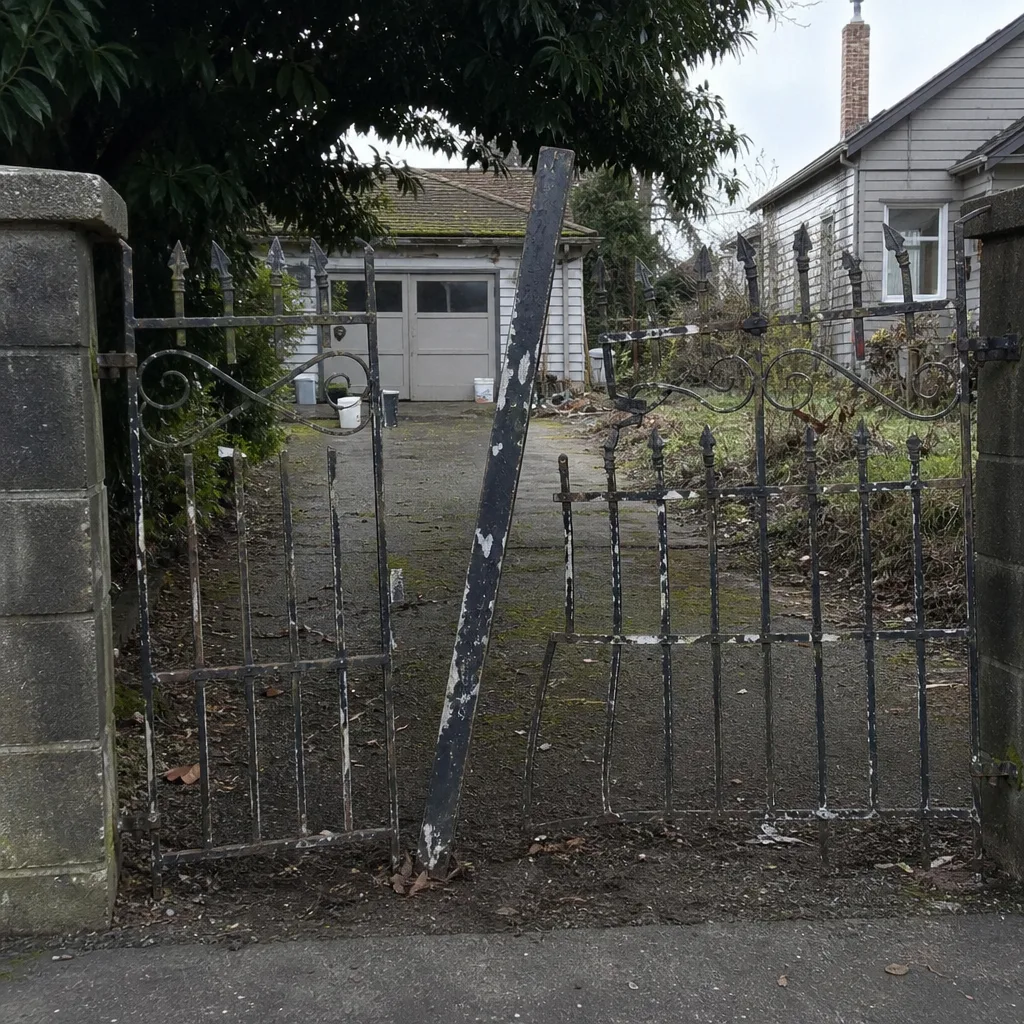 Before
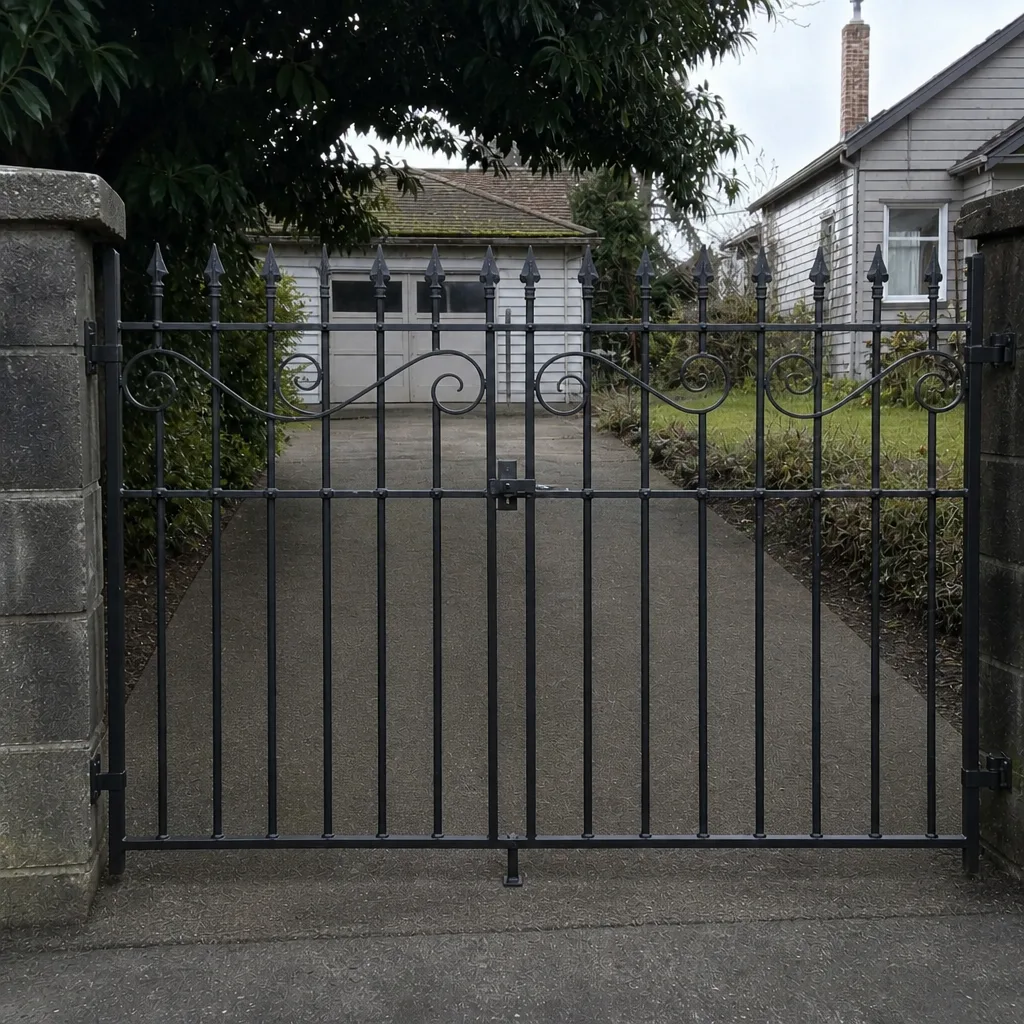 After
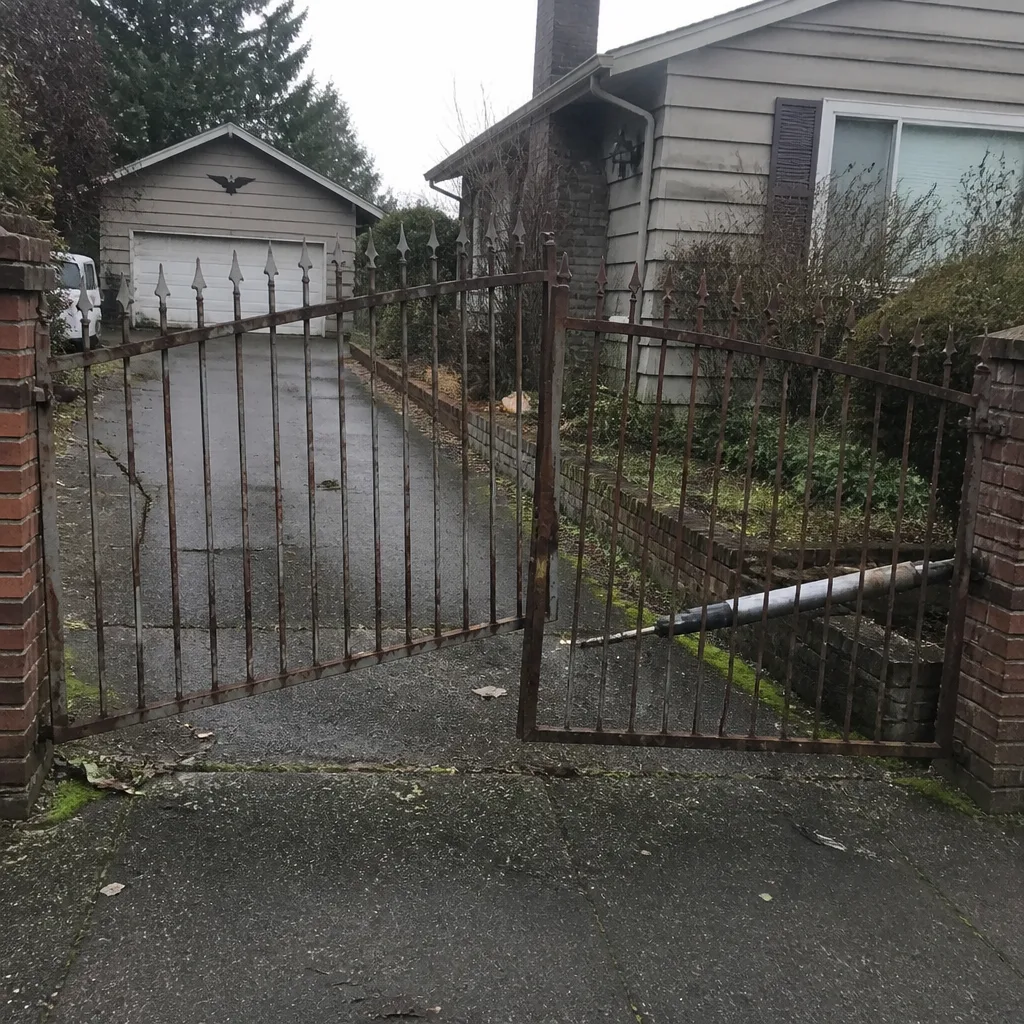 Before
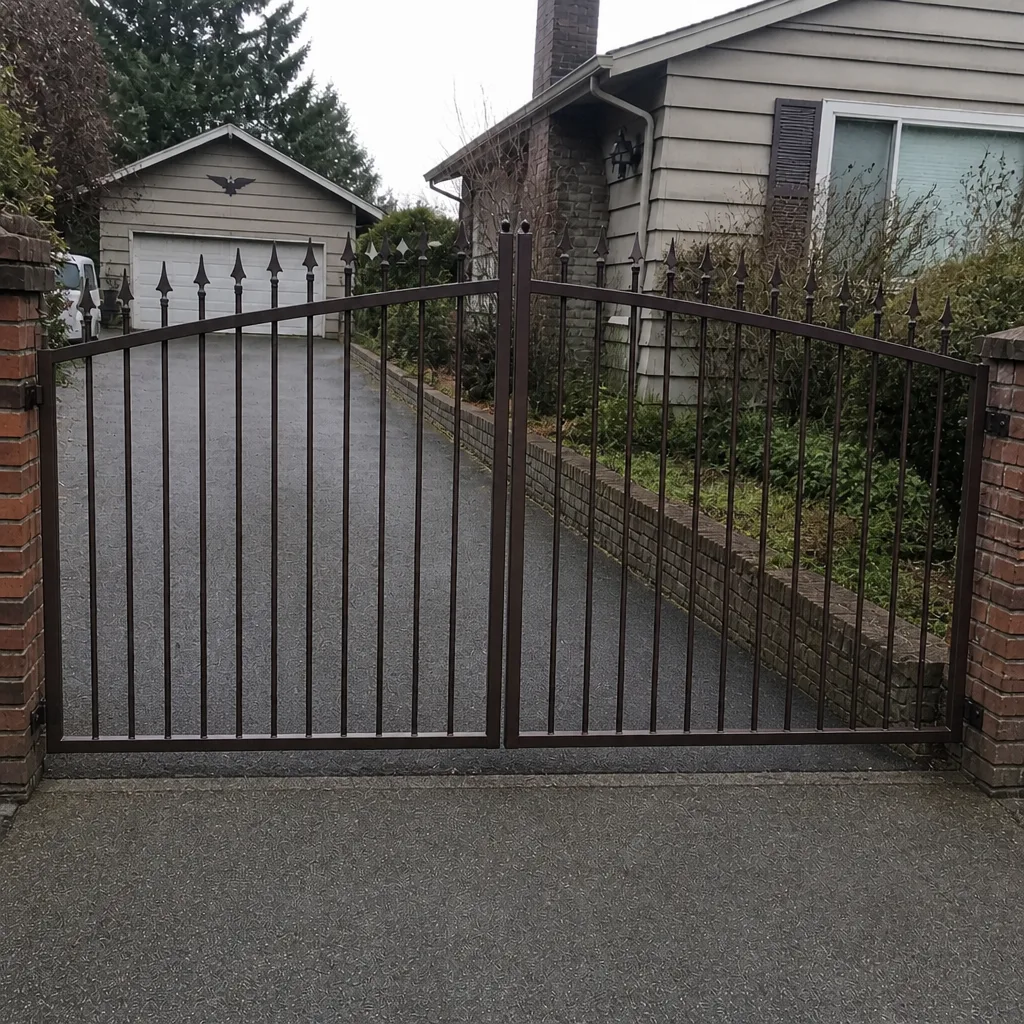 After
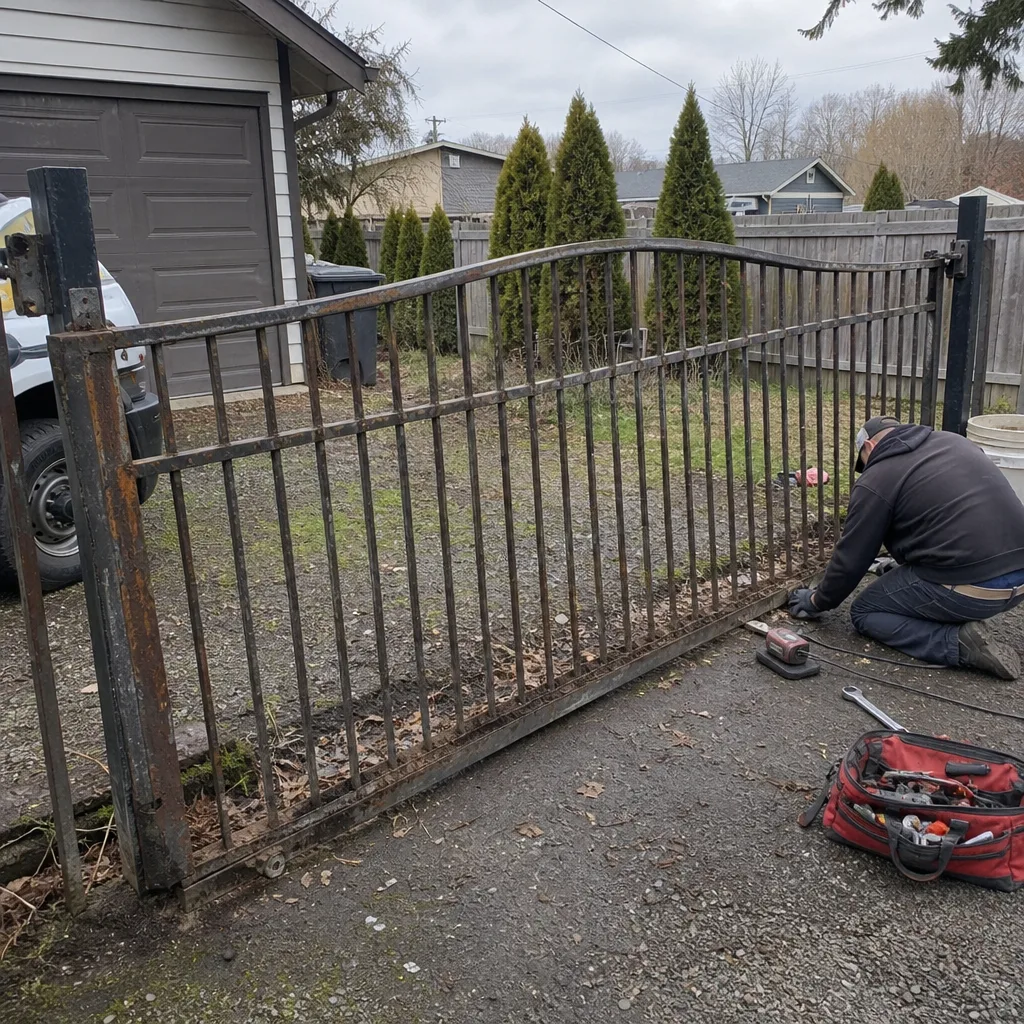 Before
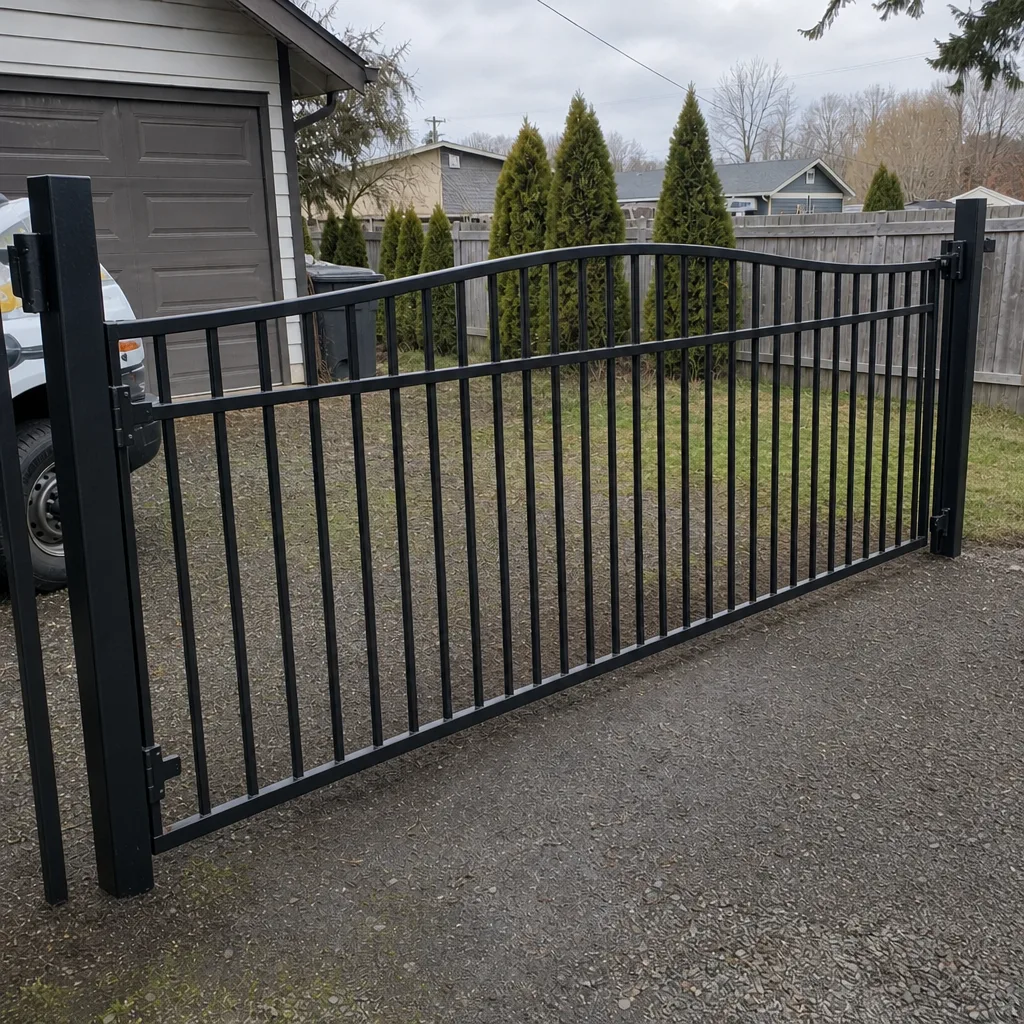 After
When to Call a Professional
Most of the tasks above are homeowner-appropriate: sweeping a track, checking a gasket, brushing grit out of a hinge. But some issues should bring out a trained technician. If your gate has shifted at the hinge plate or the post is visibly moving, stop operating it and get it inspected; forcing a gate on a shifted footing can damage the operator and the gate frame. If any operator or control board work is involved, the electrical portion needs a trained eye. A gate that suddenly stops, reverses randomly, or fails a safety-device test should be treated as an operator problem until proven otherwise. We work on nearly every major gate brand, and we can diagnose up to 8 years of technician experience across residential and commercial systems. Gate Repair Gresham offers free estimates in Gresham – call (866) 942-6384. We answer 24/7, and fast dispatch runs from 7am to 7pm, Sunday through Friday.
Frequently Asked Questions
Clearing the slide gate track before the fall rains and checking the post footings and hinge plate in late winter matter most. The fall clear prevents debris from compacting into hard obstruction on the track, and the winter footing check catches ground movement before the gate misaligns enough to damage the operator. If you do those two reliably, most of the other seasonal tasks become routine checks. Call (866) 942-6384 for a free estimate on a seasonal inspection.
Thermal expansion is the usual cause. Metal components inside the operator and gate mechanism expand as temperatures warm, so tolerances that were loose all winter suddenly tighten. A worn bushing or a slightly misaligned track that was fine in cold weather can bind at the first warm stretch. The fix is usually a mechanism adjustment, not a new operator. Call (866) 942-6384 to have a technician diagnose it.
Freeze-thaw cycles in Gresham’s winter stretch make the ground expand and contract repeatedly, which puts stress on gate post footings. A gate that looked fine through the fall can develop a noticeable hinge-gap or a sag on the outside edge after several cycles. The first sign is usually a gate that suddenly won’t close fully, or a faint new noise on cold mornings. Call a technician to check the footing and hinge before operating the gate further. Call (866) 942-6384 for a free estimate.
Do it in fall, before the wet season. Debris that stays on the track through the rains compacts and cures into a hard obstruction that damages the rollers on the first cold run. A fall clear removes the material before it sets. Run a second light clear in spring, but the crucial one is the fall clear. Call (866) 942-6384 if your track has already compacted and you want a technician to inspect the rollers.
Yes. Gresham’s dry summer sun puts the keypad covers, control housings, and any exposed plastic parts under UV exposure for weeks. UV degrades plastics, which yellow, crack, and lose their seals; that’s how water gets into a keypad or control box and causes an electrical fault. Inspect plastic housings and control box gaskets in late spring, before the summer heat. Call (866) 942-6384 to have a technician check for UV-related damage.
We recommend a gate specialist for anything beyond basic surface cleaning. A generalist may not know how to isolate the operator from the mechanism, may not know a DoorKing access system from a residential Linear operator, and can miss the footing and hinge-plate warning signs. Gate repair is all we do, and we work on nearly every major gate brand. Call (866) 942-6384 for a free estimate on a professional seasonal inspection.
The Bottom Line
Gate care in Gresham is a calendar driven by local weather, not a generic monthly checklist. The fall track clear removes debris before it becomes an obstruction. The winter footing and hinge-plate check catches ground movement before the gate forces the operator. The spring post-warm-up inspection catches thermal expansion before it causes a failure, and the summer electronics check protects keypads and control panels from UV damage. Do those in that order, and most gate problems are prevented at a fraction of the cost of the repairs they avoid. Our technicians have up to 8 years of experience across the brands you’re most likely to own.
If your gate needs a seasonal inspection, an honest assessment, or a repair before the next season turns, call Gate Repair Gresham at (866) 942-6384 for a free estimate. We answer 24/7, and fast dispatch runs from 7am to 7pm, Sunday through Friday. The written estimate sets the final price.
Written by the team at Gate Repair Gresham.