
Last updated November 15, 2026
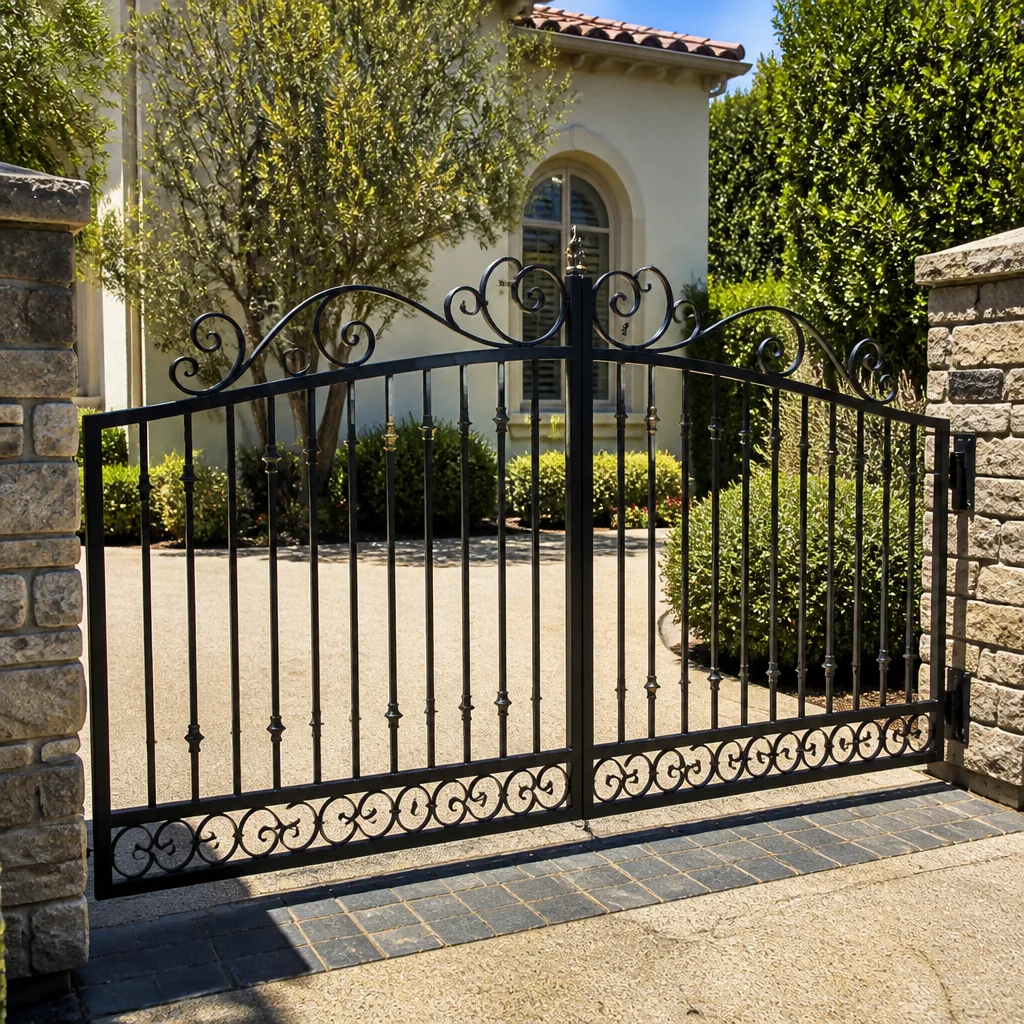 Wrought iron
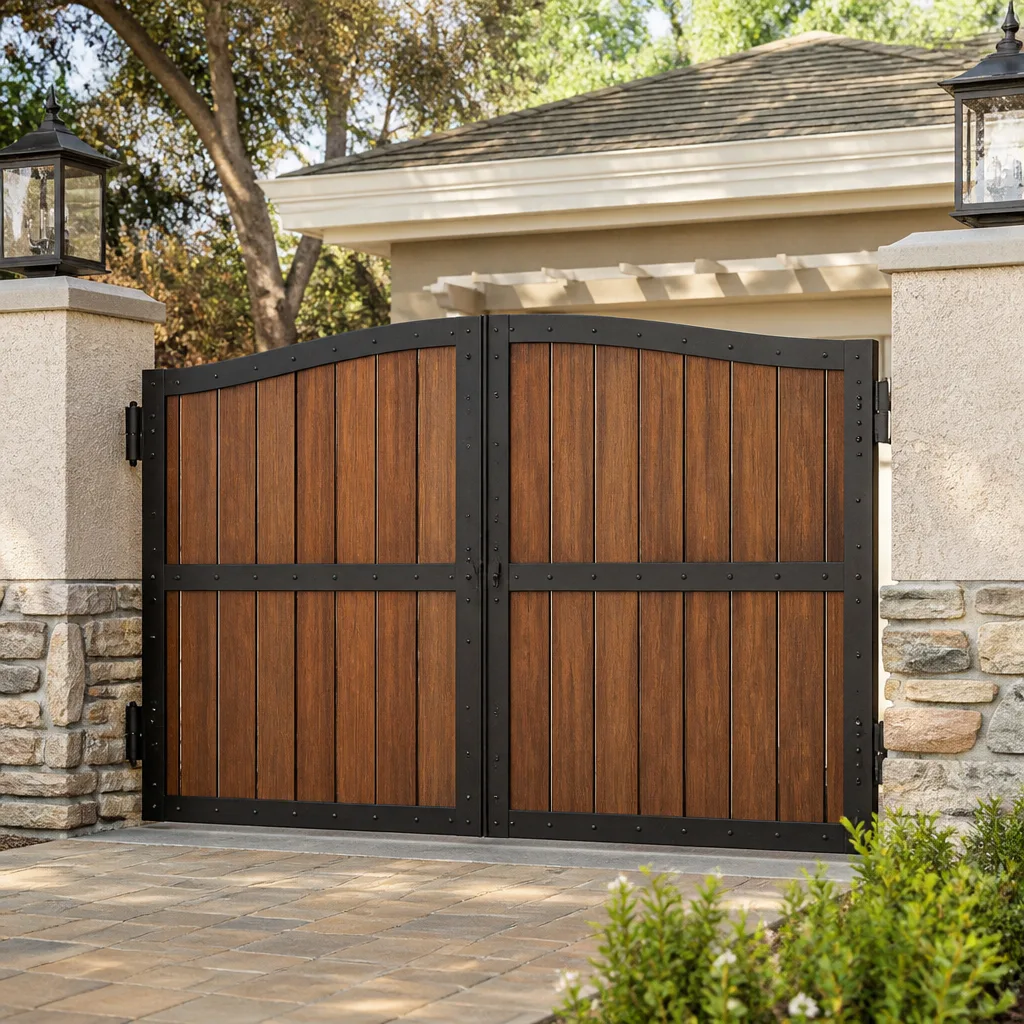 Wood & steel frame
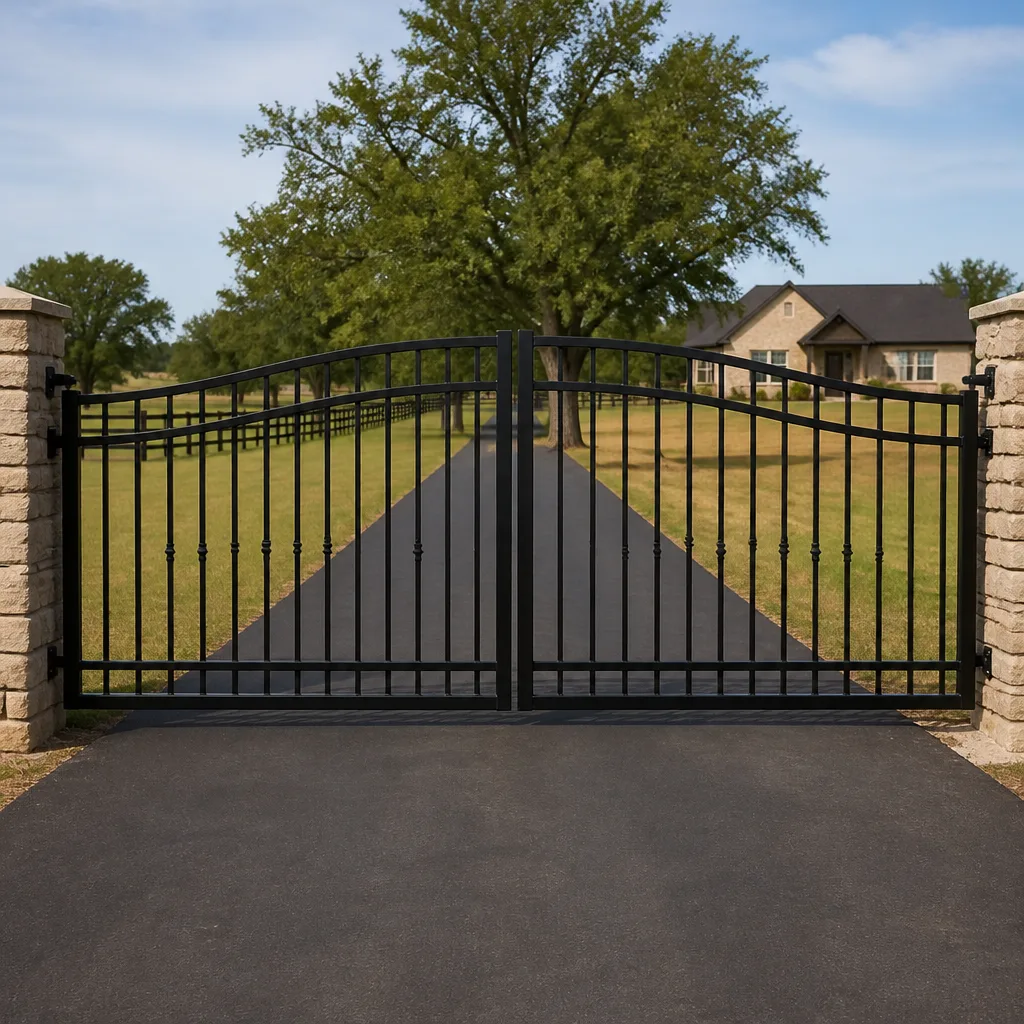 Farm & ranch
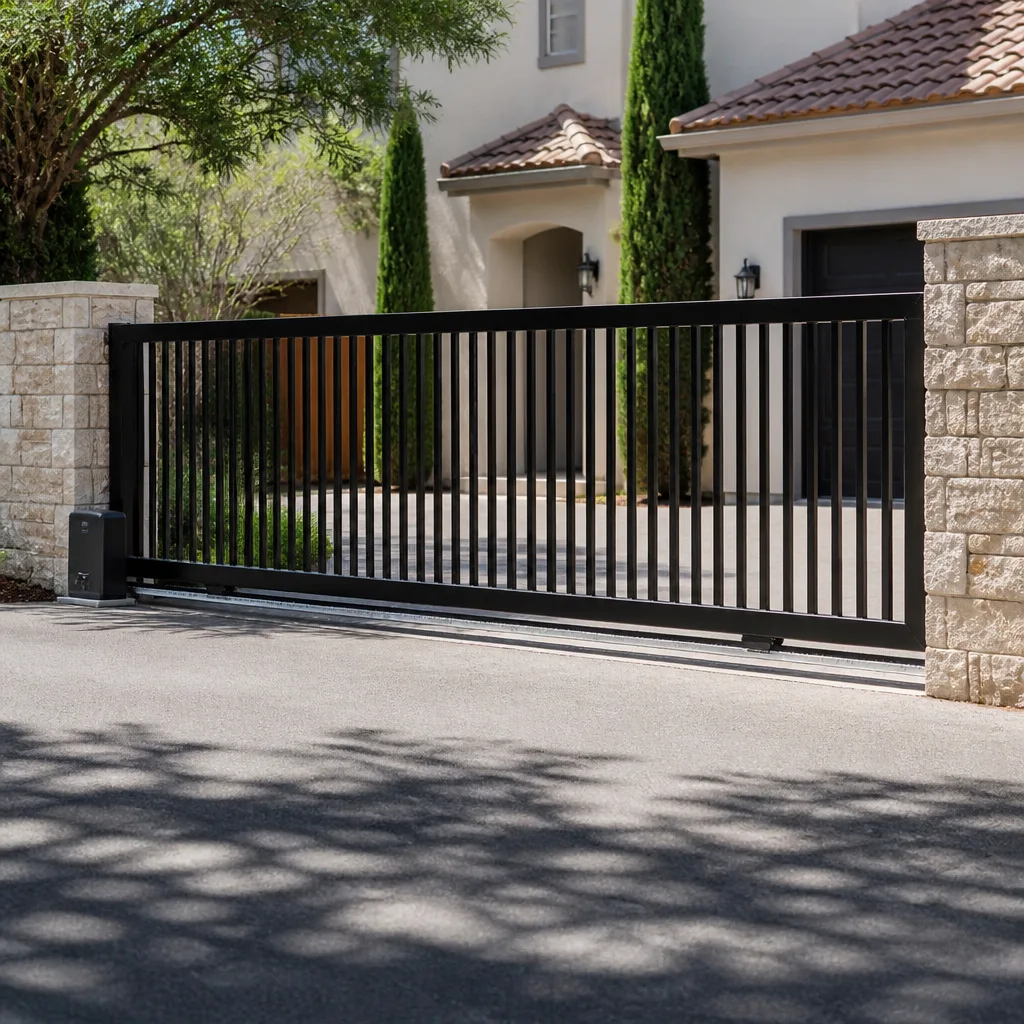 Sliding driveway gates
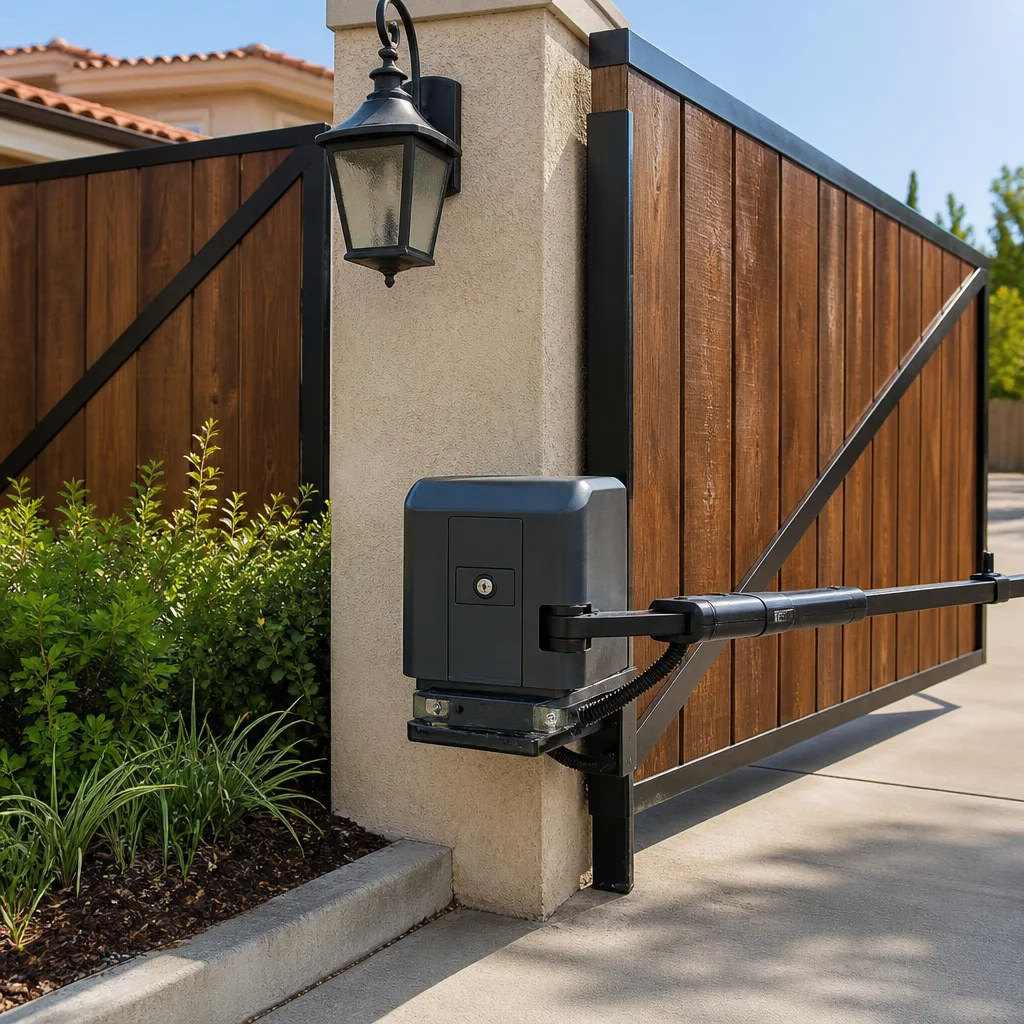 LiftMaster operators
Free on-site gate assessment - hinges, posts, and your LiftMaster or Nice gate operator checked before anything is quoted
The assessment is free and the quote is the invoice.
Get your free estimateThe Complete Guide to Gate Repair in Gresham
A gate that stops mid-swing isn’t necessarily broken. More often it’s telling you something specific, and misreading that signal is how a sensor that needs a two-minute alignment turns into a motor replacement you never needed. We’ve watched plenty of Gresham gate owners pay for the wrong repair because the first person they called treated the gate like a fence with a motor bolted on. Gates are their own system: operator, control board, safety sensors, hinges, posts and the ground underneath all talk to each other. This guide maps the full journey from the first symptom to the right fix, including what’s specific to Gresham’s wet winters and clay-heavy soil, brand-level failure patterns, and what to document before anyone arrives.
Quick Answer
Gate repair in Gresham starts with correctly identifying which of five root causes is at work: an operator or control board fault, a mechanical failure like a bent arm or worn hinge, a misaligned post or foundation, a sensor or safety-edge problem, and a power or wiring issue. A correct diagnosis on the first visit is what separates a modest repair from an unnecessary motor replacement. Electric and automated gates need a specialist who works on gate systems only, because the electrical and mechanical parts fail together and a fix that treats one alone tends to come back.
Styles & brands we work with
- Wrought iron
- Wood & steel frame
- Farm & ranch
- Sliding driveway gates
- LiftMaster operators
Table of Contents
- The Five Root Causes Behind Most Gate Problems
- How Gresham’s Wet Winters and Clay Soil Affect Your Gate
- Brand-Specific Failure Patterns We See in Gresham
- Repair, Adjustment, or Replacement: Which One Do You Actually Need?
- Why a Generalist Approach Misses Gate-Specific Problems
- How to Document Your Gate Problem Before a Technician Arrives
- The Diagnostic-to-Repair Journey, Step by Step
- Residential Driveway Gates vs. Commercial Access Gates
The Five Root Causes Behind Most Gate Problems
Almost every gate failure we look at in Gresham traces back to one of five sources. Knowing which one you’re likely dealing with before you call anyone helps you ask better questions and spot a bad diagnosis early.
1. Operator or control board faults. The operator is the motor and gearbox; the control board is the brain that tells it what to do. When a gate opens partway and reverses, or a remote stops working while the keypad still does, the board is often the culprit. Control boards are sensitive to power surges and moisture, and swapping a board is very different from replacing a motor.
2. Mechanical failure. Bent arms, worn hinges, failing rollers, sagging panels and gates that drag on the ground. These are physical problems and no amount of resetting the operator will fix them. A gate that physically binds will eventually burn out an operator that keeps trying to force it.
3. Post and foundation misalignment. The gate hangs on posts, and the posts sit in the ground. When a post shifts, everything above it shifts too. A heavy gate swinging slightly off is often a foundation story, not an operator story.
4. Sensor and safety-edge problems. Photoelectric sensors, safety edges and loop detectors are there to stop the gate from closing on a person, vehicle or pet. When they fail, the gate often refuses to close at all, or reverses randomly. These are among the cheapest and most common fixes, and among the most often misdiagnosed as motor failure.
5. Power and wiring issues. A tripped breaker, a loose connection, a damaged low-voltage wire, or a control transformer that’s given up. Electrical faults can imitate every other problem on this list, which is one reason a proper diagnostic starts at the power source.
If you’re not sure where your gate falls, our Gate Repair Gresham team can walk through the symptoms with you before anyone comes out.
How Gresham’s Wet Winters and Clay Soil Affect Your Gate
Gresham sits in a corner of Oregon where winter rain is steady and the soil holds it. That combination is harder on gates than the drier parts of the state, and it shapes what fails here and when.
- Clay-heavy soil and post movement. Clay expands when it’s saturated and contracts as it dries. A gate post set into that soil goes through a slow cycle of swelling and shrinking every year, and over several winters a post can shift enough to throw the gate out of alignment. This is why alignment problems in Gresham often show up in late winter or early spring, after months of wet ground.
- Hinge and pivot wear. Constant moisture accelerates wear on hinges, pivots and rollers. Grease washes out faster, and bare metal starts to corrode. A hinge that would last years in a dry climate can loosen noticeably sooner here.
- Operator and control board moisture. Enclosures and control boxes that aren’t sealed well let in damp air. Control boards and terminal connections corrode slowly, which produces intermittent faults that are hard to pin down.
- Drainage and standing water. A driveway that pools water near the gate’s base keeps the foundation wet for longer. Where drainage is poor, post movement and hinge wear both speed up.
- Wood movement. Wooden gates absorb moisture and swell, then shrink in summer. That seasonal movement changes the gate’s weight and swing, which puts extra strain on the operator.
The practical takeaway for Gresham gate owners is that the ground and the weather are part of the system. A repair that fixes the operator but ignores a shifting post will fail again next wet season. When we look at a gate in Gresham, the foundation and drainage get as much attention as the electronics.
Brand-Specific Failure Patterns We See in Gresham
Every operator brand has its own habits. Knowing your brand’s typical failure points helps narrow down what’s wrong before a technician opens the housing.
LiftMaster. A widely installed residential brand, and familiar territory for us. Common issues include safety sensor misalignment after a knock or a settling post, remote and keypad pairing problems after a power interruption, and control board faults after surges. LiftMaster operators are generally robust, which means when one acts up, the problem is more often sensors, wiring or board than the motor itself.
Viking. Viking operators show up on residential driveways and lighter commercial sites. We see limit-switch and arm adjustments drifting over time, and mechanical wear at the arm and pivot as the gate works through wet-and-dry cycles.
Mighty Mule. An entry-level brand common on DIY-installed gates. The most frequent problems are battery and solar-charging issues, control board faults, and installations where the operator is undersized for the gate’s weight. When the operator is working harder than it should, everything else wears faster.
FAAC. A professional-grade brand, often on heavier residential and commercial gates. FAAC systems reward proper set-up, and when they fail it’s frequently hydraulic or mechanical wear, encoder faults, or control logic issues that need proper diagnostic tools rather than guesswork.
We also work on BFT and Linear systems, plus DoorKing, Ghost Controls and Elite. The point of brand knowledge isn’t brand loyalty. It’s that a technician who has seen your operator’s failure patterns before spends less time guessing and more time fixing.
Repair, Adjustment, or Replacement: Which One Do You Actually Need?
These three words get used interchangeably, and that’s where a lot of unnecessary spending starts. They describe very different jobs.
Gate adjustment is the smallest of the three. The gate and operator are fundamentally sound, but something has drifted: a limit switch, a sensor angle, hinge tension, the arm position, or the gate’s resting alignment. Adjustment is a fine-tuning job, and it’s the right answer when the gate works but not quite right.
Gate repair means a specific component has failed and needs fixing or replacing: a control board, a motor, a hinge, a roller, a sensor, a safety edge, or damaged wiring. The gate’s structure and foundation are sound. Repair restores the system to how it was designed to work.
Gate replacement is the right call when the gate’s structure or foundation has failed beyond reasonable repair, when the operator is repeatedly failing and parts are hard to source, or when the gate no longer meets what the property needs. Replacement is also worth considering when the cost of repeated repairs is climbing toward the cost of a new system.
Here’s how to think about it:
- Is the gate itself structurally sound? If the panels, frame and posts are solid, adjustment or repair is usually the answer.
- Is the failure mechanical, electrical, or both? Mechanical-only problems tend to be repairs. Drift and misalignment tend to be adjustments.
- Has the same fault come back more than once? A recurring fault often points to a root cause that wasn’t fixed, not a component that keeps failing.
- Is the operator matched to the gate? An undersized operator on a heavy gate will keep failing no matter how often it’s repaired.
The right diagnosis decides which of the three you need, and that’s why an honest assessment matters more than a quick fix. Our gate repair service starts with exactly that conversation.
Why a Generalist Approach Misses Gate-Specific Problems
A gate looks simple from the curb: a panel, a hinge and a motor. In practice, a modern automated gate is a system where electrical and mechanical parts fail together, and a fix that treats one half of the system in isolation tends to come back within a season.
Here’s what a generalist often misses:
- The electrical-mechanical link. A binding hinge makes the operator draw more current. A tired operator makes a hinge problem worse. Fix the hinge and leave the overloaded operator, and you’ll be back. Fix the operator and leave the binding gate, and you’ll burn out the new one.
- Safety system logic. Photoelectric sensors, safety edges and loop detectors are wired into the control logic. A generalist may replace a sensor that wasn’t the problem, or bypass a safety feature it doesn’t understand, which is a genuine hazard on a moving gate.
- Brand-specific diagnostics. Each operator has its own codes, its own reset procedures and its own quirks. Without that familiarity, diagnosis turns into trial and error at your expense.
- Foundation and alignment. A gate that swings out of line is a post-and-foundation question, not a motor question. A generalist may keep adjusting the operator when the real issue is a post that’s moved.
- Heavy gate weight and forces. Commercial and heavy residential gates store real force in motion. Improperly set forces and limits are a safety problem, not just a performance one.
Gate repair is the only thing we do, and that focus is why we can diagnose a control board fault and a foundation shift on the same visit. If your gate is electric or automated, electric gate repair is the specialty you want on the other end of the phone.
How to Document Your Gate Problem Before a Technician Arrives
The most expensive part of a gate repair is often the time spent figuring out what’s actually wrong. A few minutes of clear notes before the technician arrives can turn a second visit into a first-visit fix.
Write down the following:
- The brand and model of your operator. Check the housing or the manual. If you see LiftMaster, FAAC, BFT, Linear, Viking, Ghost Controls, DoorKing, Elite or Mighty Mule, tell us. Brand knowledge shortens diagnosis.
- Exactly what the gate does and doesn’t do. Stops halfway? Reverses on closing? Opens on the remote but not the keypad? Refuses to move at all? Note it in plain words.
- When the problem started and what changed. After a power cut, after heavy rain, after someone hit the gate, or gradually over weeks. This single detail often points straight at the cause.
- Whether it’s intermittent or constant. Intermittent faults are the hardest to diagnose, and knowing when they happen is half the clue.
- Any sounds or warning lights. Grinding, clicking, humming or silence, plus whether the operator’s LED is flashing and how many times.
- Photos and a short video. A phone video of the gate failing is worth more than a paragraph of description, and it lets a technician prepare the right parts.
This documentation also protects you. When a technician can describe exactly what they found and why, it’s much easier to trust the recommendation.
The Diagnostic-to-Repair Journey, Step by Step
Here’s what a proper gate repair visit should look like, from first symptom to working gate. Knowing the steps helps you tell a thorough job from a rushed one.
- Understand the symptom and the history. What the gate does, when it started, what changed, and whether it’s one fault or several.
- Check power and wiring first. Electrical faults imitating mechanical ones is common, so the power source, control transformer, wiring and connections get checked before anything else.
- Inspect the mechanics. Hinges, pivots, rollers, the arm, the gate’s track or swing path, and any binding or drag.
- Check the foundation and alignment. Posts, footings and drainage, especially in Gresham where clay soil moves with the seasons. A gate that’s out of line will keep failing until the post issue is addressed.
- Test the safety systems. Sensors, safety edges, loop detectors and the operator’s force and limit settings. This step is as much about safety as function.
- Diagnose and explain. Clear findings, the options, and what each one costs. We quote the price per job in a written estimate and agree it with you before any work starts.
- Repair, adjust or replace as agreed. The fix follows the diagnosis, not the other way around.
- Test the full cycle. Open, close, safety reversal, and manual release, so you leave with a gate that works and you know how to operate it in a power failure.
If your gate is failing after dark or during a storm, call and we’ll help. A call outside dispatch hours is booked into the next opening, Sunday through Friday, 7am to 7pm.
Residential Driveway Gates vs. Commercial Access Gates
Residential and commercial gates share the same basic principles, but the stakes and the systems differ, and a specialist should be comfortable with both.
Residential driveway gates are usually a single swing or slide gate with a domestic operator. The priorities are smooth operation, safety around children and pets, and keeping the gate auto-closing reliably. Common brands include Mighty Mule, Ghost Controls and LiftMaster.
Commercial access gates handle more cycles, heavier panels and more complex access control: keypads, intercoms, vehicle loops and card readers. Downtime has a real cost, so commercial systems reward proactive diagnostics and proper documentation. Brands like FAAC, BFT, DoorKing and Elite are common on commercial sites, and they need someone who knows the access-control side as well as the mechanics.
If you manage a property in Gresham with an access gate, the documentation habit from the previous section matters even more. Logged problems and known history make every service visit shorter.
Common Mistakes to Avoid
- Replacing the motor before checking the sensors. A gate that won’t close or reverses randomly is often a sensor or safety-edge issue, not a motor. Have the diagnosis confirm the cause before approving big-ticket parts.
- Ignoring a post that’s shifted. In Gresham’s clay soil, a gate that swings slightly out of line often needs the post addressed, not the operator. Adjusting the operator alone buys you a few months at best.
- Letting a binding gate keep running. A gate that drags or grinds is putting extra load on the operator with every cycle. Waiting for the operator to fail turns a mechanical repair into a motor replacement too.
- Bypassing safety features. Disabling a safety edge or sensor to get the gate working is a hazard. Safety systems exist to stop a moving gate on a person or a vehicle, and they should be repaired, not removed.
- Skipping the documentation. Without clear notes on symptoms and timing, the first visit can be spent on basics. A short video and a written symptom log let the technician diagnose rather than guess.
- Choosing a generalist for an electrical fault. Automated gates are an electrical-mechanical system with safety logic. A handyman without gate-specific diagnostic tools can end up replacing parts at random.
- Assuming a repair always means replacement. Adjustment or repair is often the right, lower-cost answer. Get the diagnosis before assuming the gate needs to go.
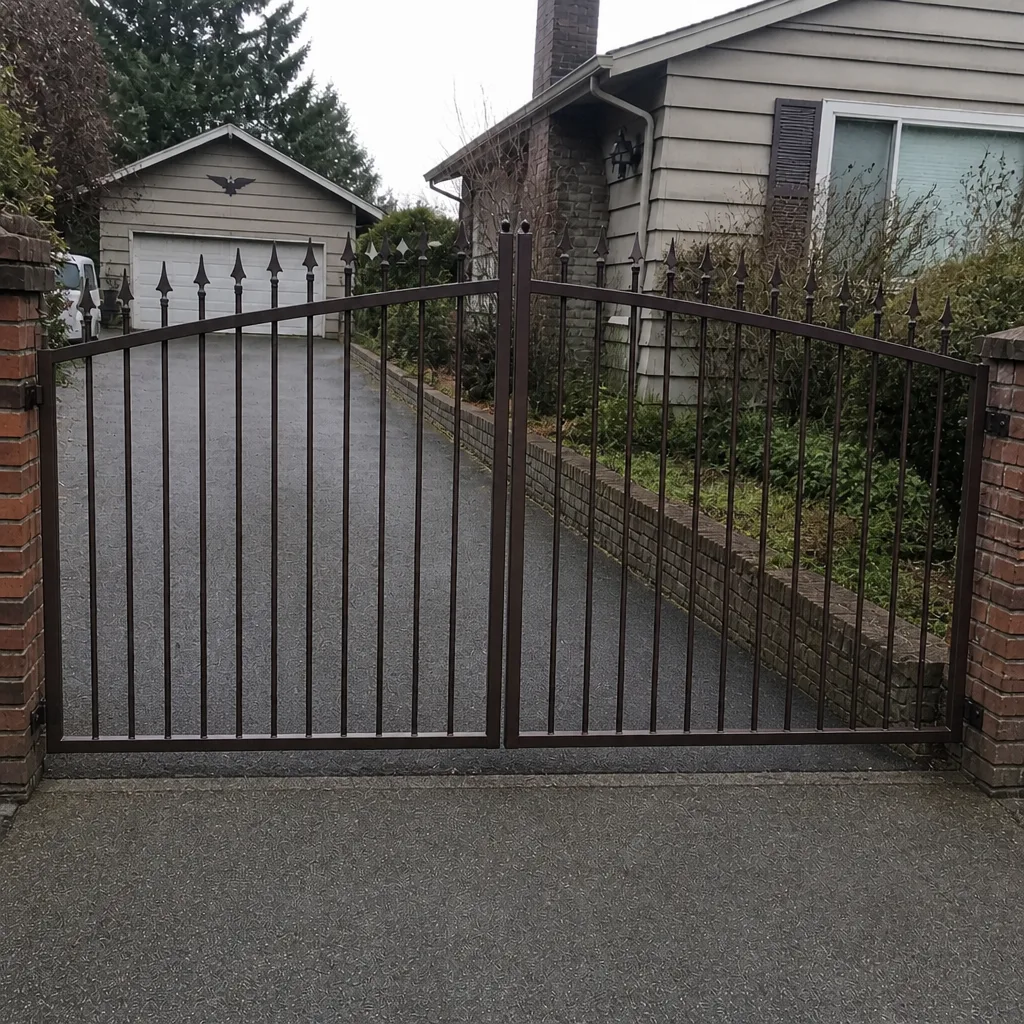
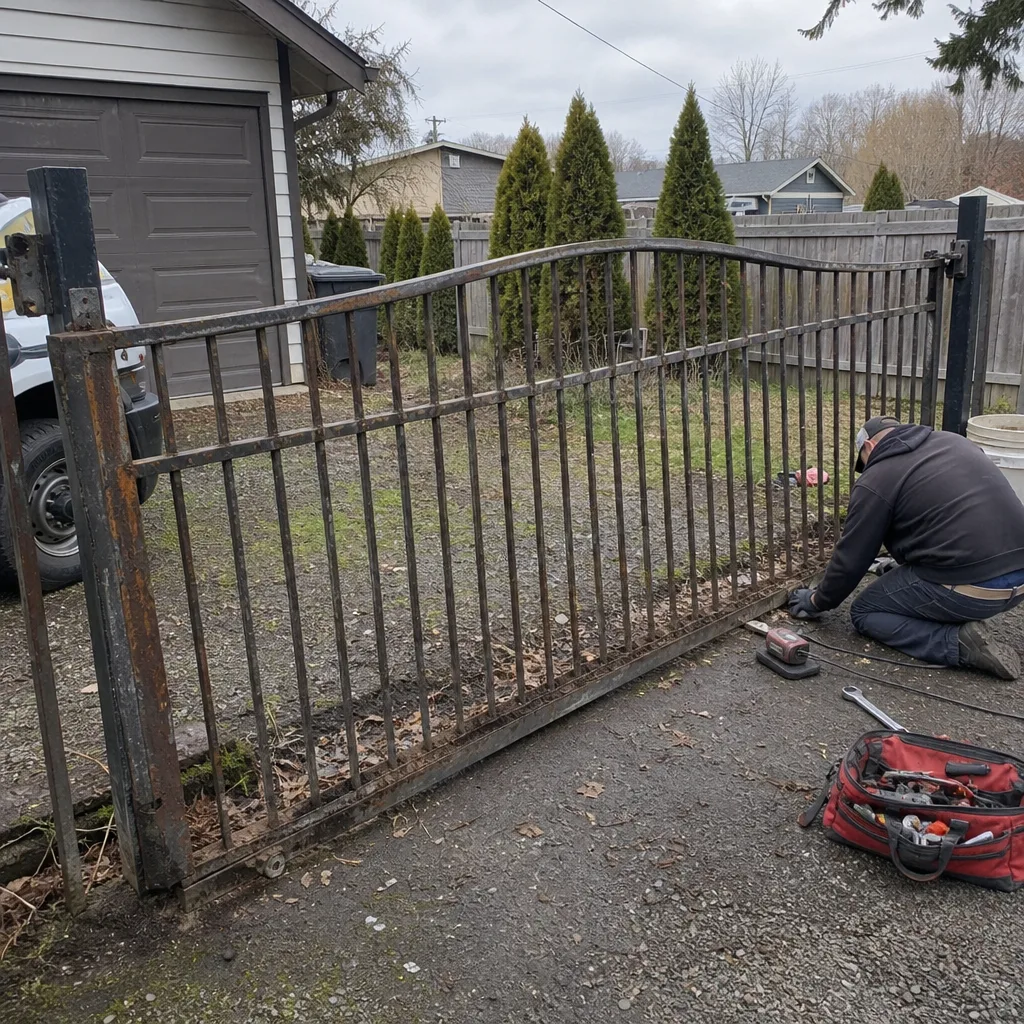
See the difference
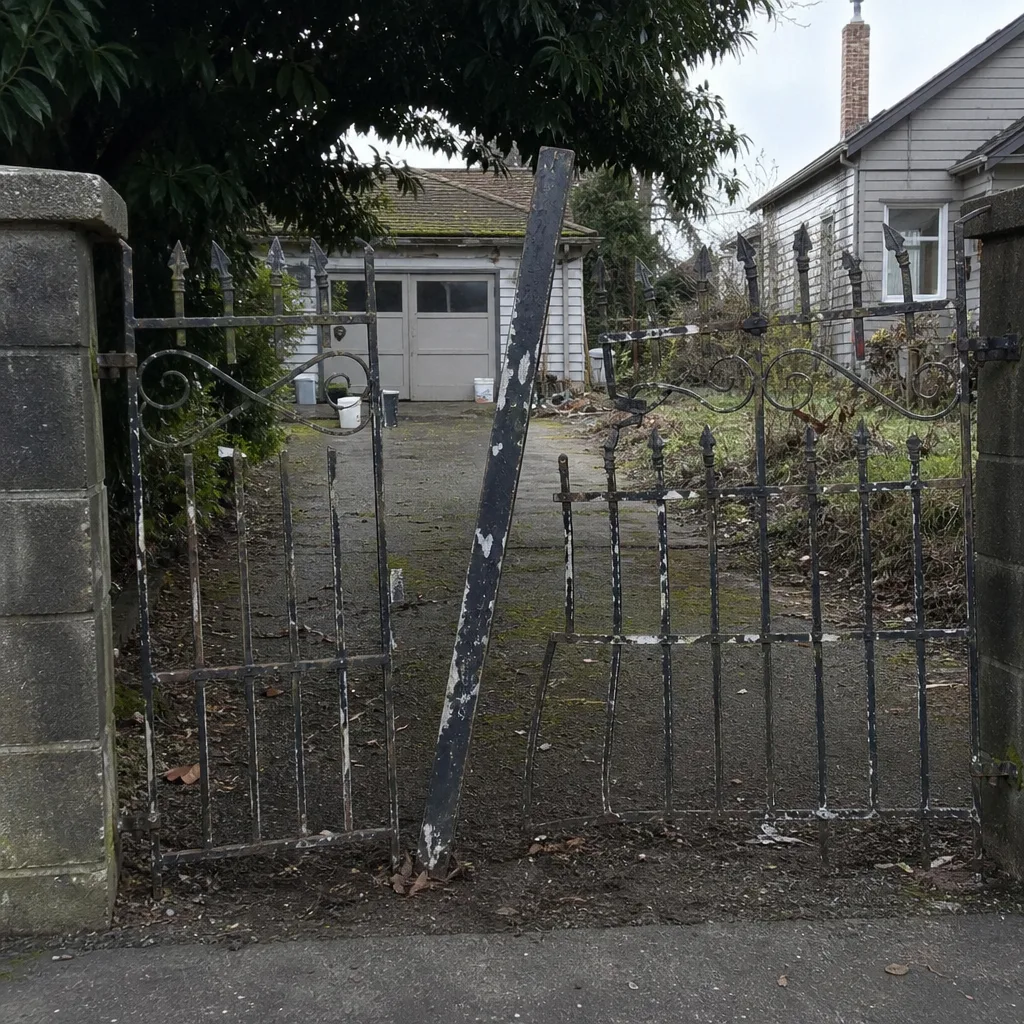 Before
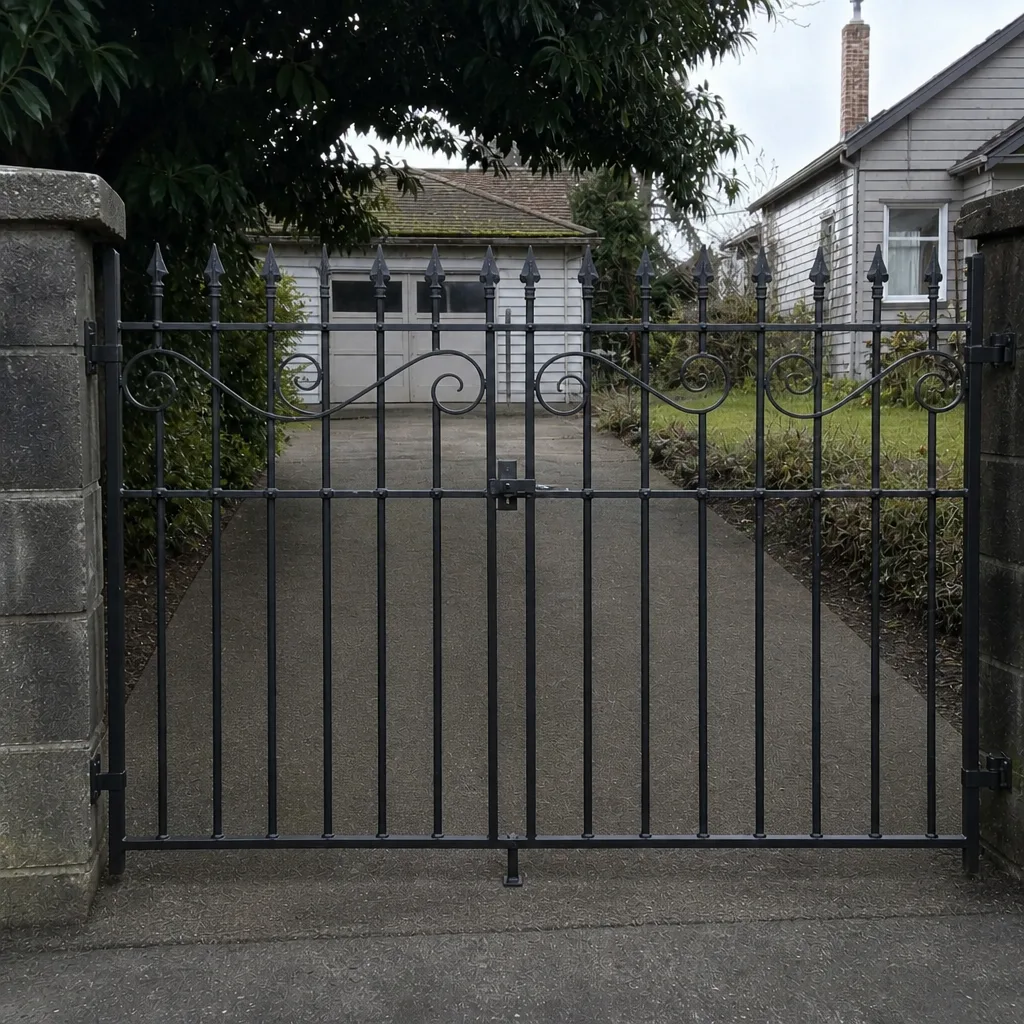 After
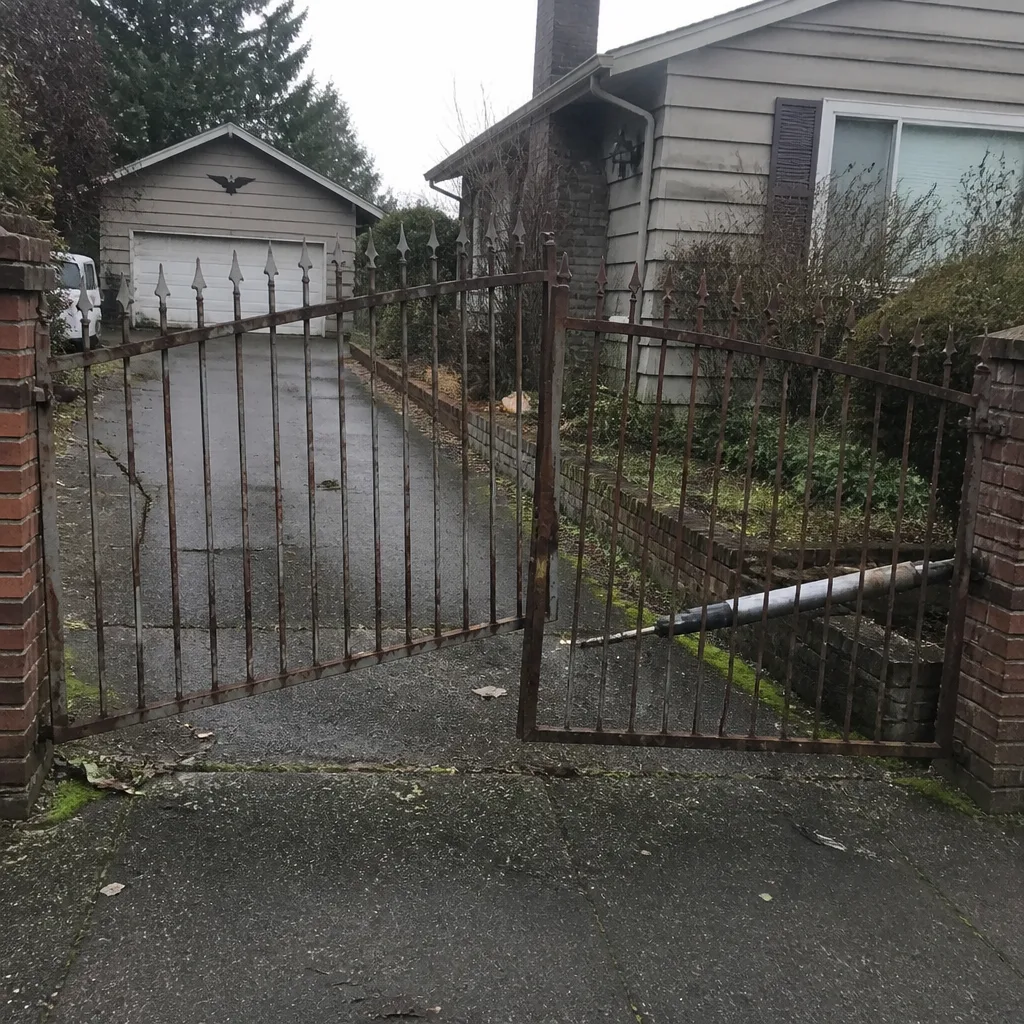 Before
 After
 Before
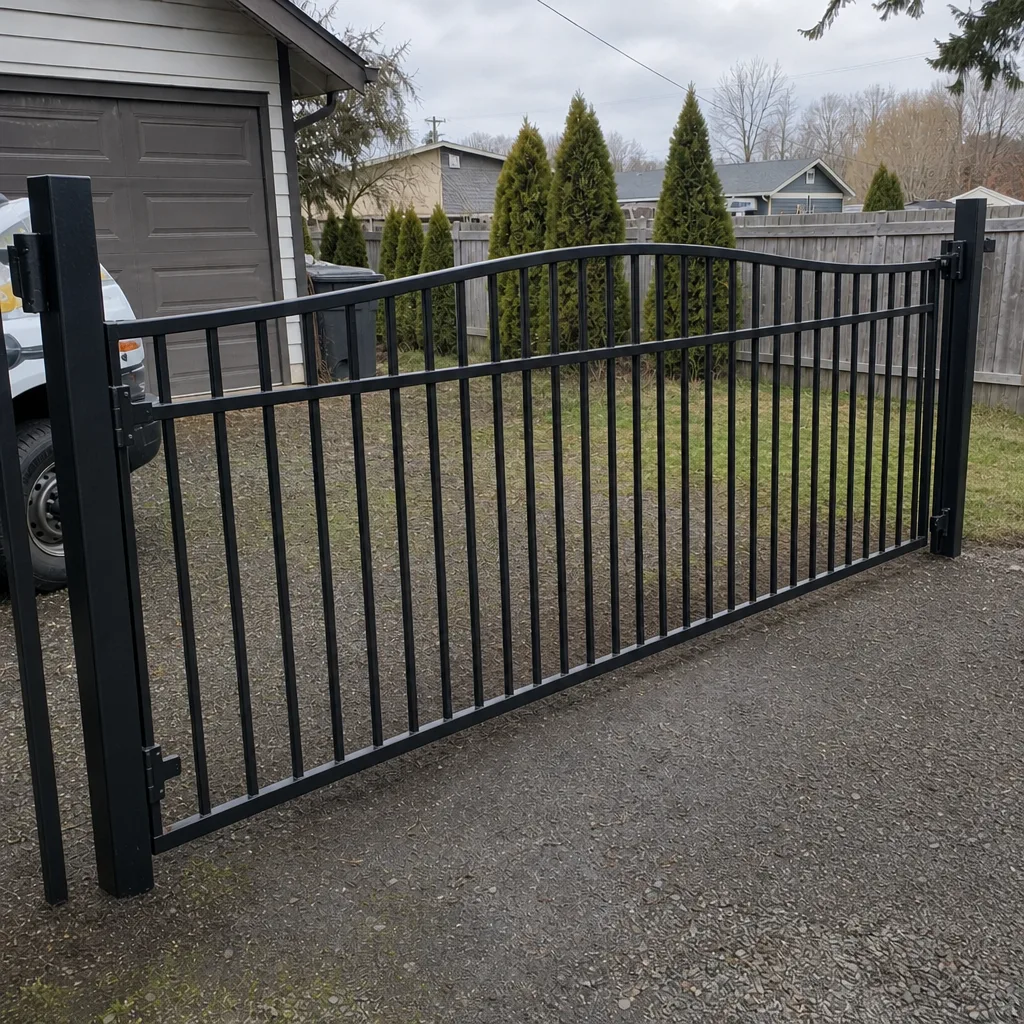 After
When to Call a Professional
Call a professional when your gate stops mid-cycle, reverses without a visible obstruction, refuses to close, or moves with grinding, dragging or erratic speed. Call us immediately if a heavy gate binds or comes off its track, if you see damaged wiring, or if the operator’s housing is wet or smoking. Any gate with an electric or automated operator carries enough stored force to cause serious injury, so don’t attempt to adjust force settings, limits or safety edges yourself. If you’re unsure whether the issue is mechanical or electrical, that’s exactly what a specialized diagnostic is for. Gate Repair Gresham offers free estimates in Gresham – call (866) 942-6384. We answer 24/7. Fast dispatch from 7am to 7pm, Sunday through Friday.
Frequently Asked Questions
There’s no flat rate, because the right price depends on the actual cause. A sensor alignment or limit adjustment is a small job; a control board, motor or hinge replacement is a larger one. We quote the price per job in a written estimate and agree it with you before any work starts, so you never get an invoice bigger than the quote. Call (866) 942-6384 for an exact quote – estimates are free.
Very likely. We work on nine of the most widely installed brands, including LiftMaster, FAAC, BFT, Linear, Viking, Ghost Controls, DoorKing, Elite and Mighty Mule, covering both residential and commercial-grade systems. Tell us your brand and the symptoms when you call and we’ll confirm we can help. Call (866) 942-6384 to talk it through.
Reversing and refusal to close are most often safety sensor, safety edge or loop detector problems, not motor failure. Misalignment after a knock or a settling post is a common cause, and wiring or board faults can do it too. It needs a proper diagnostic, not a guess, so call (866) 942-6384 and we’ll get to the actual cause.
Gresham’s wet winters and clay-heavy soil speed up post movement and hinge wear. Clay expands when saturated and contracts as it dries, and over several seasons a post can shift enough to throw the gate out of alignment. Moisture also accelerates hinge and pivot corrosion and can cause damp-related faults in operator enclosures. An alignment check after a wet winter is well worth it.
Repair when the gate’s structure and foundation are sound and a specific part has failed. Adjust when the gate and operator are fine but something has drifted. Replace when the gate’s structure or foundation has failed, when parts are hard to source, or when repeat repairs are climbing toward the cost of a new system. A proper diagnostic tells you which you need. Call (866) 942-6384 for a free estimate.
Have your operator’s brand and model, a plain description of what the gate does and doesn’t do, when the problem started and what changed, whether it’s constant or intermittent, and any sounds or warning lights. A short phone video of the failure is a real help. That detail lets us diagnose on the first visit rather than spend it on basics.
The Bottom Line
Most gate problems in Gresham come down to one of five root causes: an operator or control board fault, a mechanical failure, a shifted post or foundation, a safety sensor issue, or a power and wiring problem. Getting the diagnosis right first is what prevents an inexpensive sensor fix from becoming a motor replacement. The wet winters and clay-heavy soil here put alignment and hinge wear near the top of the list, so foundation and drainage deserve as much attention as the electronics. Document your symptoms, note your brand, and choose a gate specialist over a generalist. From a sensor adjustment to a full system replacement, Gate Repair Gresham offers free estimates. Call (866) 942-6384. We answer 24/7. Fast dispatch from 7am to 7pm, Sunday through Friday. You can also read more about our Gresham service.
Written by the team at Gate Repair Gresham.