
Last updated November 15, 2026
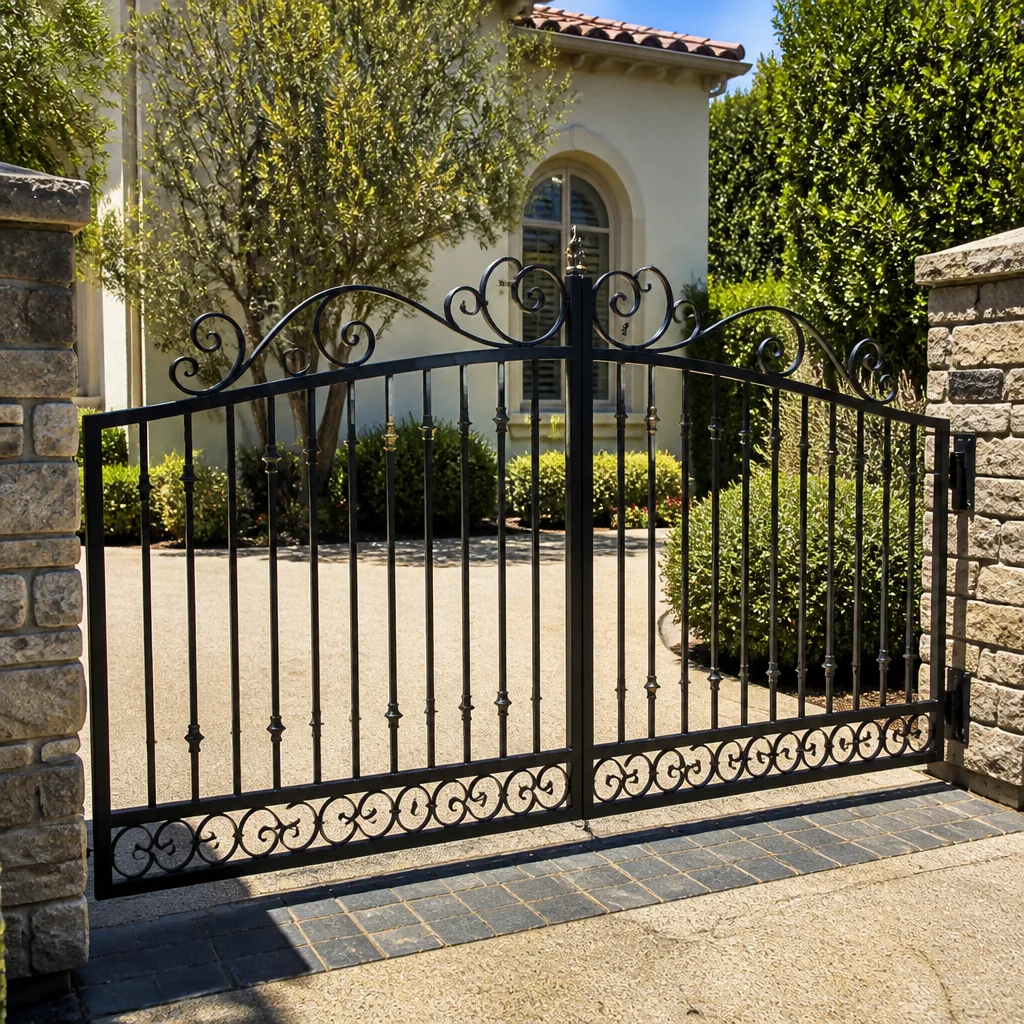 Wrought iron
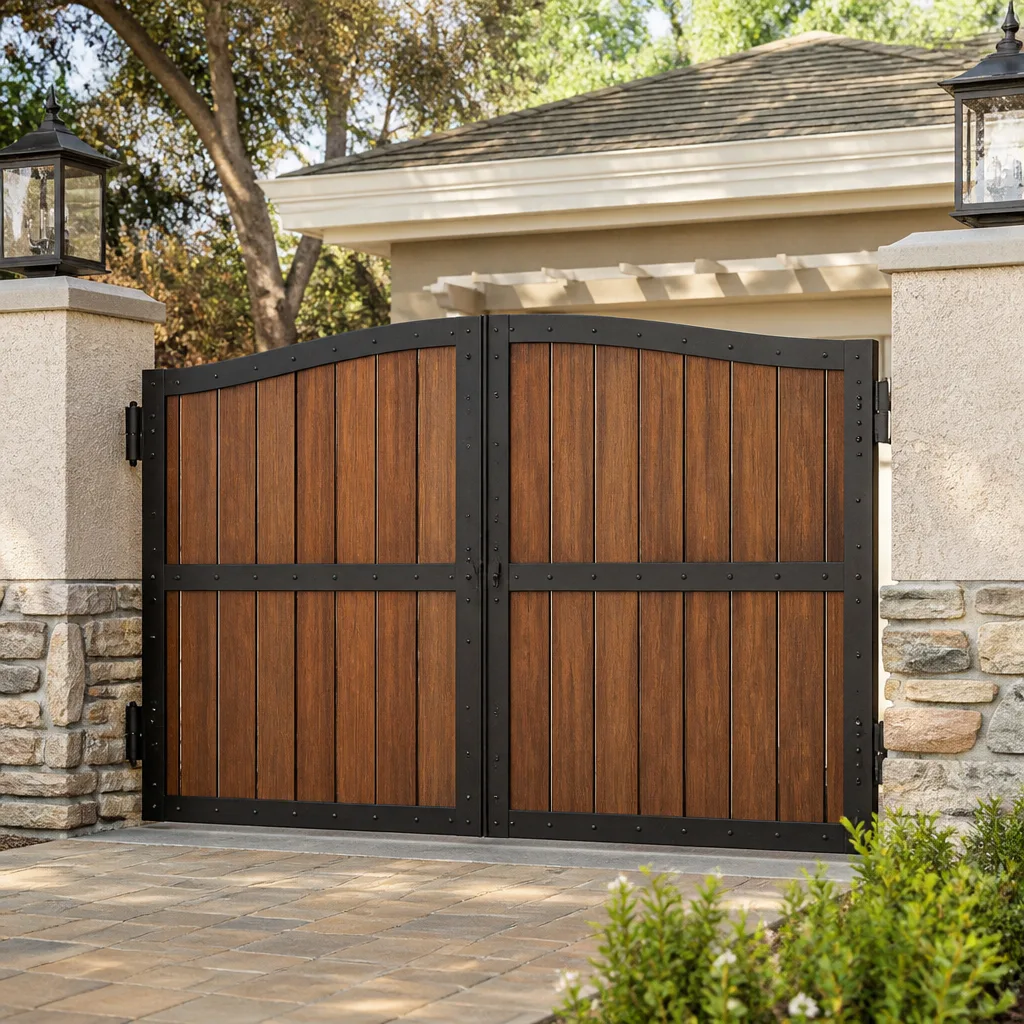 Wood & steel frame
 Farm & ranch
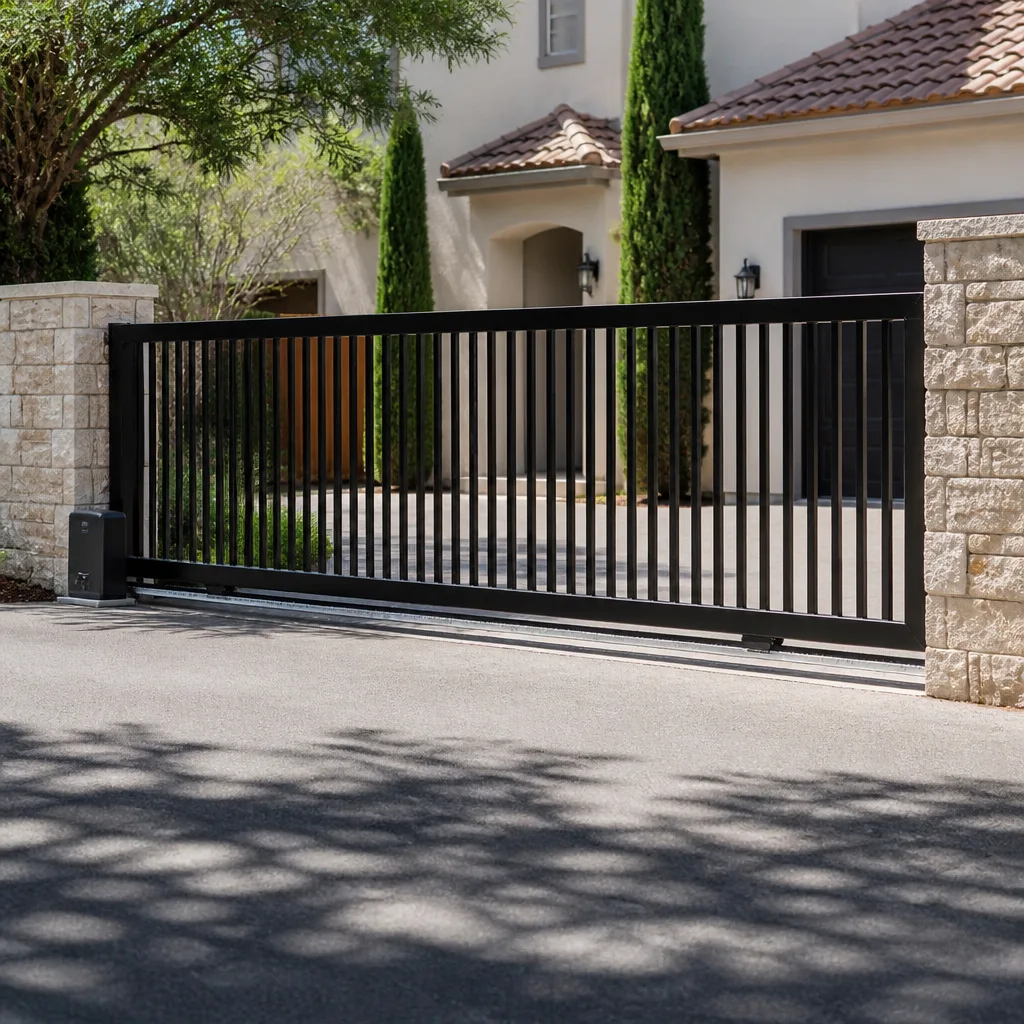 Sliding driveway gates
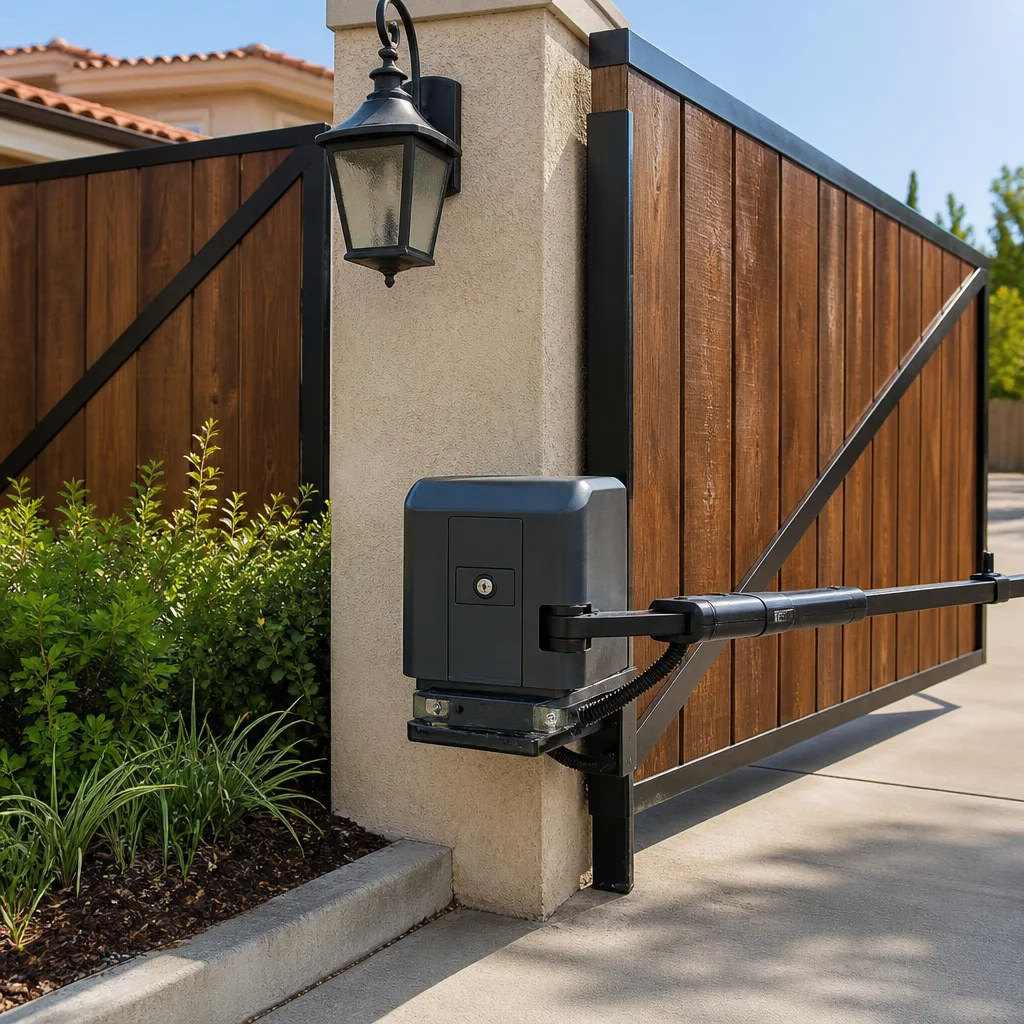 LiftMaster operators
Free on-site gate assessment - hinges, posts, and your LiftMaster or Nice gate operator checked before anything is quoted
The assessment is free and the quote is the invoice.
Get your free estimateGate Repair Emergency Preparedness Guide for Gresham Homes
Most gate advice treats a failure as one single problem. It isn’t. A gate that won’t close is an access emergency, and a gate that won’t close means a car is stuck on the wrong side of it, a tenant can’t get to work, and a delivery driver is blocked in your driveway. A gate that won’t open is a security emergency, and the gap stays open for as long as it takes to fix. Those two situations call for completely different responses, and we’ve watched plenty of Gresham homeowners handle the wrong one. This guide walks you through both, brand by brand, so the next failure is a five-minute problem instead of a long night.
Quick Answer
A gate emergency in Gresham comes down to one question: is your gate stuck open or stuck closed? If it’s stuck open, your first job is to physically secure the opening before you call anyone, using the manual release and a temporary barrier. If it’s stuck closed, your first job is to release the operator so you can get vehicles through, then call for electric gate repair. Either way, knowing your brand, your operator model, and where your manual release lives turns a panicked call into a quick fix.
Styles & brands we work with
- Wrought iron
- Wood & steel frame
- Farm & ranch
- Sliding driveway gates
- LiftMaster operators
Table of Contents
- The Two Kinds of Gate Emergencies (And Why They’re Different)
- How to Use the Manual Release on Your Gate Operator
- Gresham Emergency Scenarios: Storms, Freezes, and Vehicle Impacts
- How to Temporarily Secure an Open Gate Without Tools
- What to Have Ready Before You Call for Emergency Gate Service
- Building a Gate Emergency Preparedness Kit
- Preventive Checks That Stop Most Emergencies
The Two Kinds of Gate Emergencies (And Why They’re Different)
The single most useful thing you can understand about gate failures is that “stuck open” and “stuck closed” are not two flavors of the same problem. They’re opposite problems with opposite priorities.
A gate stuck open is a security failure. The boundary you rely on is gone, and every minute it stays that way is a minute your property is exposed. Your priority is to close the physical gap, even if the gate can’t move on its own. A gate stuck closed is an access failure. Your property is still secure, but nobody can get in or out. Your priority is to get the gate open manually so normal life can continue while you arrange a repair.
In our experience, the people who handle a gate emergency well are the ones who made a plan before it happened. They know which category their situation falls into, they know where their manual release is, and they have a temporary fix ready. The people who struggle are the ones who discover their operator’s release mechanism for the first time at the worst possible moment.
Here in Gresham, the two situations show up in different ways. A stuck-open gate is common after a power outage takes the operator down mid-cycle, or after a storm knocks a limit switch out of adjustment. A stuck-closed gate more often follows a cold snap that seizes a mechanism, or a control board that fails while the gate is sitting in the closed position. Knowing which type of failure you’re looking at tells you exactly what to do next.
How to Use the Manual Release on Your Gate Operator
Every automated gate has a manual release. It’s the single most important piece of hardware on your system, and it’s also the piece most homeowners have never touched. The release lets you disengage the motor from the gate so you can move the gate by hand. The method varies by brand and by whether you have a swing gate or a slide gate, so here’s how the major operators differ.
Swing Gate Operators (LiftMaster, Viking, Ghost Controls)
On most residential swing operators, the release is a mechanical lever or a keyed handle on the operator arm itself. The general procedure looks like this:
- Locate the release lever or key slot on the operator arm, usually on the side facing the driveway.
- Insert and turn the release key if your unit has one, then pull or flip the lever to disengage the drive gear.
- With the motor disengaged, the gate should swing freely by hand. If it doesn’t, the arm or hinge may be seized, which is a separate repair.
- Re-engage the release when the repair is done, and test the gate through a full open-and-close cycle before returning to normal use.
Viking operators use a similar lever-style release, though the exact location varies by model. Ghost Controls units on many residential installs use a release that’s accessible without a key, which makes them easier to operate in a hurry.
Mighty Mule and Chain-Driven Operators
Mighty Mule units and many chain-driven slide operators use a keyed release. Turn the key, pull the release pin or handle, and the gate will slide by hand. On chain-driven units, always confirm the chain is still seated on the sprocket after you’ve released and re-engaged, since a jumped chain is one of the most common causes of a gate that suddenly won’t move.
A word of caution: never force a release lever, and never try to disassemble the operator housing to get at the mechanism. If the release won’t move, the problem is likely inside the gearbox, and forcing it can turn a repair into a full replacement. That’s the point where you call us.
Gresham Emergency Scenarios: Storms, Freezes, and Vehicle Impacts
Gate emergencies in Gresham tend to cluster around three causes. If you know what they are, you can often predict a failure before it strands you.
Power Outages During Storm Season
A power outage is the most common reason a gate “fails” without actually being broken. When the operator loses power mid-cycle, the gate can stop wherever it happens to be, and if that’s halfway open, you’ve got a security gap. Most operators are designed to be released manually for exactly this reason, so the first thing to do is use the manual release, move the gate to a safe position, and secure it. If your operator has a battery backup, the gate may keep running for a while, but the batteries are only good for so many cycles. Check them at the start of the storm season rather than during the first outage.
Post-Freeze Gate Lock-Up
Gresham gets cold enough in winter that mechanisms can stiffen and seize. A slide gate that ran smoothly in October can bind in January because the rollers, track, or hinge points have picked up moisture and frozen or rusted in place. The operator will often try to move the gate, hit resistance, and stop or reverse on its safety sensor. That’s a good safety feature, but it leaves you thinking the operator failed when the real problem is mechanical. If your gate struggled through a cold snap, have the rollers, track, and hinges checked before the next freeze, not after.
Vehicle Impacts That Bend the Rail or Post
A car, truck, or trailer that clips a slide gate rail or a swing gate post can knock the gate out of alignment in an instant. The operator may still run, but the gate won’t track properly, and forcing it will only bend the hardware further. If there’s been an impact, stop using the operator until someone looks at the alignment. A bent rail or a post that’s been pushed out of plumb is a mechanical repair, not an electronics one, and it needs to be fixed before the operator is run again.
How to Temporarily Secure an Open Gate Without Tools
If your gate is stuck open and you can’t get a technician out immediately, you need a way to close the physical gap that doesn’t depend on the operator. This matters most for property managers in Gresham who are responsible for multiple entry points and can’t personally watch each one. Here are the methods that work without any tools.
- Manual release plus a physical stop. Release the operator, walk the gate to the closed position by hand, and wedge or chain it in place so it can’t drift back open. On a slide gate, a length of chain through the gate frame and around the post is usually enough. On a swing gate, a strap or chain between the two gate leaves holds them shut.
- A temporary barrier. If the gate can’t be closed at all, block the opening with something substantial: a parked vehicle, a line of traffic cones with reflective tape, or a barrier board across the opening. The goal is to make the gap obvious and inconvenient to cross, not to stop a determined intruder.
- A visible sign. If the gate is down and the property is occupied, a simple “Gate Out of Service” sign on the barrier is worth more than it costs. It stops delivery drivers and tenants from forcing the gate and making the damage worse.
- Lock the pedestrian entry. If there’s a walk-through gate or pedestrian opening next to the main gate, lock it while the vehicle gate is compromised so the property isn’t left completely open on the side.
None of these are permanent fixes, and none of them replace a repair. What they do is buy you time without leaving your property exposed while you arrange service.
What to Have Ready Before You Call for Emergency Gate Service
The single best thing you can do to make an emergency repair go smoothly is to have the right information ready before you pick up the phone. When you call gate repair and can give us the brand, the model, and a clear description of what the gate is doing, we can often bring the right parts on the first visit instead of making a second trip. Here’s what to have on hand.
- The operator brand and model. LiftMaster, FAAC, BFT, Linear, Viking, Ghost Controls, DoorKing, Elite, and Mighty Mule are all brands we work with, and each has its own diagnostics. The model number is usually on a label inside the operator housing or on the control box.
- Gate type. Swing or slide. This changes the parts and the approach.
- What’s happening. Does it open but not close? Close but not open? Reverse in the middle of travel? Stop partway? Make a clicking noise? Each symptom points to a different cause.
- Any recent event. A power outage, a cold snap, a vehicle impact, a storm, a change in the gate’s behavior over the last few weeks.
- Whether the manual release works. This tells us whether the problem is in the operator or in the mechanical gate hardware.
- Any error codes. If your control board has a display or diagnostic LED, note the code or the pattern.
With that in hand, you can call (866) 942-6384. We answer 24/7, and fast dispatch runs from 7am to 7pm, Sunday through Friday. If your call comes in outside those hours, we’ll book you into the next opening.
Building a Gate Emergency Preparedness Kit
A little preparation turns a gate emergency from a crisis into an inconvenience. Here’s what belongs in a gate-specific preparedness kit, regardless of your brand.
- Spare remotes. Keep at least one spare remote for each vehicle and one stored somewhere safe. A dead remote is one of the most common “emergency” calls we get, and it’s the easiest one to avoid.
- A backup key or bypass code. Know where your manual release key is, and keep a spare in a secure place. If your operator uses a keypad or code-based access, write the code down in a place you can find it.
- Battery backup check. If your operator has a backup battery, note when it was installed and check it before storm season. A battery that’s past its service life won’t carry the gate through an outage.
- A spare chain or locking strap. A short length of chain and a padlock gives you an immediate way to secure an open gate.
- Your operator documentation. Keep the manual for your operator in a drawer or a note on your phone. It has the release procedure for your exact model.
- A written contact list. Note the model, brand, and any previous service history on one sheet. Whoever calls us has everything ready.
For property managers with multiple entries in Gresham, do this once per gate and keep it in a shared folder. It’s the difference between a two-minute call and a twenty-minute investigation.
Preventive Checks That Stop Most Emergencies
Most gate emergencies we see in Gresham were predictable. A few minutes of routine checking at the right times of year catches the problems that would otherwise strand you at the worst moment.
Before storm season: Check battery backup condition, inspect the control box for moisture intrusion, clear debris from the gate path, and confirm the manual release moves freely.
Before the first freeze: Lubricate rollers, hinges, and track on slide gates. Check that the gate swings or slides by hand without resistance. If it’s tight, the cold will make it worse.
Once a month: Run the gate through a full open-and-close cycle and watch for hesitation, unusual noise, or reversing. Test the safety edges and photo-eyes. A gate that hesitates in June will fail in December.
After any impact or near-miss: Even a light bump to a rail or post can knock the gate out of alignment. Have it checked before running the operator again.
For a deeper look at maintenance timing, our main Gate Repair Gresham page covers the full service picture. The point here is simple: the gate that gets checked on a schedule is the gate that doesn’t leave you stuck.
Common Mistakes to Avoid
- Forcing the manual release. If the release lever won’t move, stop. Forcing it can strip the gearbox and turn a repair into a replacement. Call a technician who can open the housing safely.
- Running the operator after a vehicle impact. A bent rail or post will only bend further once the motor is engaged. Stop, secure the gate manually, and get the alignment checked.
- Ignoring a gate that reverses on its own. Reversing usually means a safety sensor is triggering, and continuing to use the gate masks the real problem. Have the sensor checked rather than disconnecting it.
- Assuming a power outage means the operator is broken. Most outages need a manual release, not a repair. Learn the release procedure before you need it.
- Disconnecting safety edges or photo-eyes to keep the gate moving. Those sensors prevent crushing injuries. Never bypass them, even temporarily.
- Calling a general handyman for a control board issue. Gate operators are their own specialty. A generalist may not recognize your brand’s diagnostics or have the parts on hand.
- Skipping the pre-freeze check. Gresham winters are cold enough to seize a stiff gate. A lubricant check in fall prevents most cold-weather failures.
See the difference
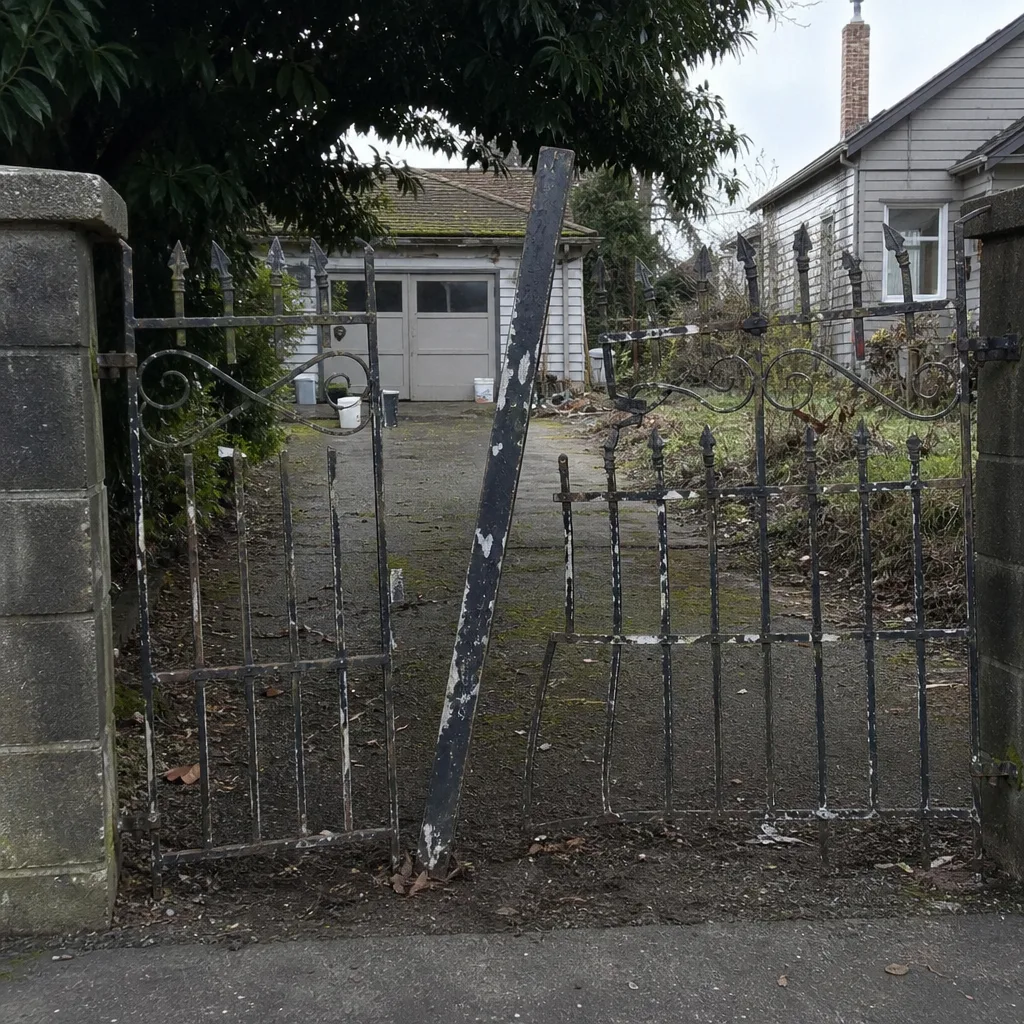 Before
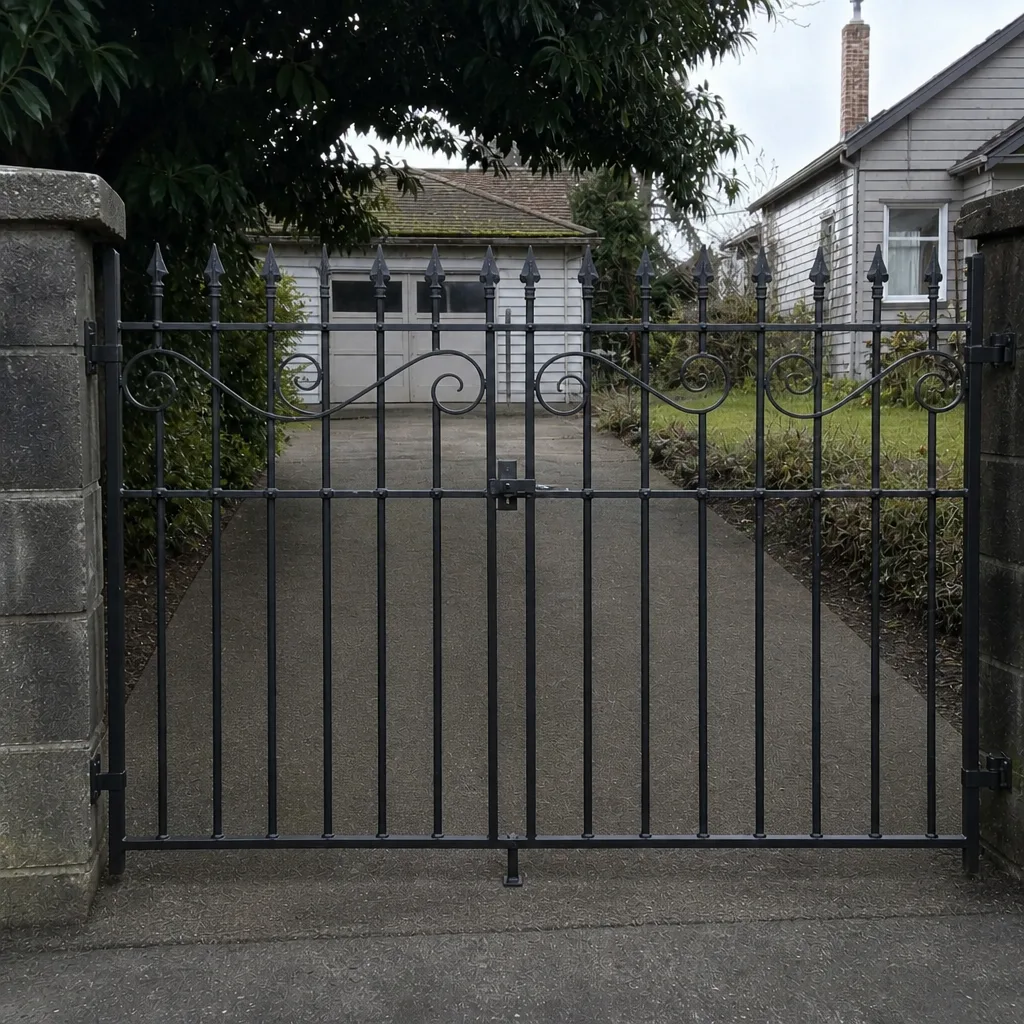 After
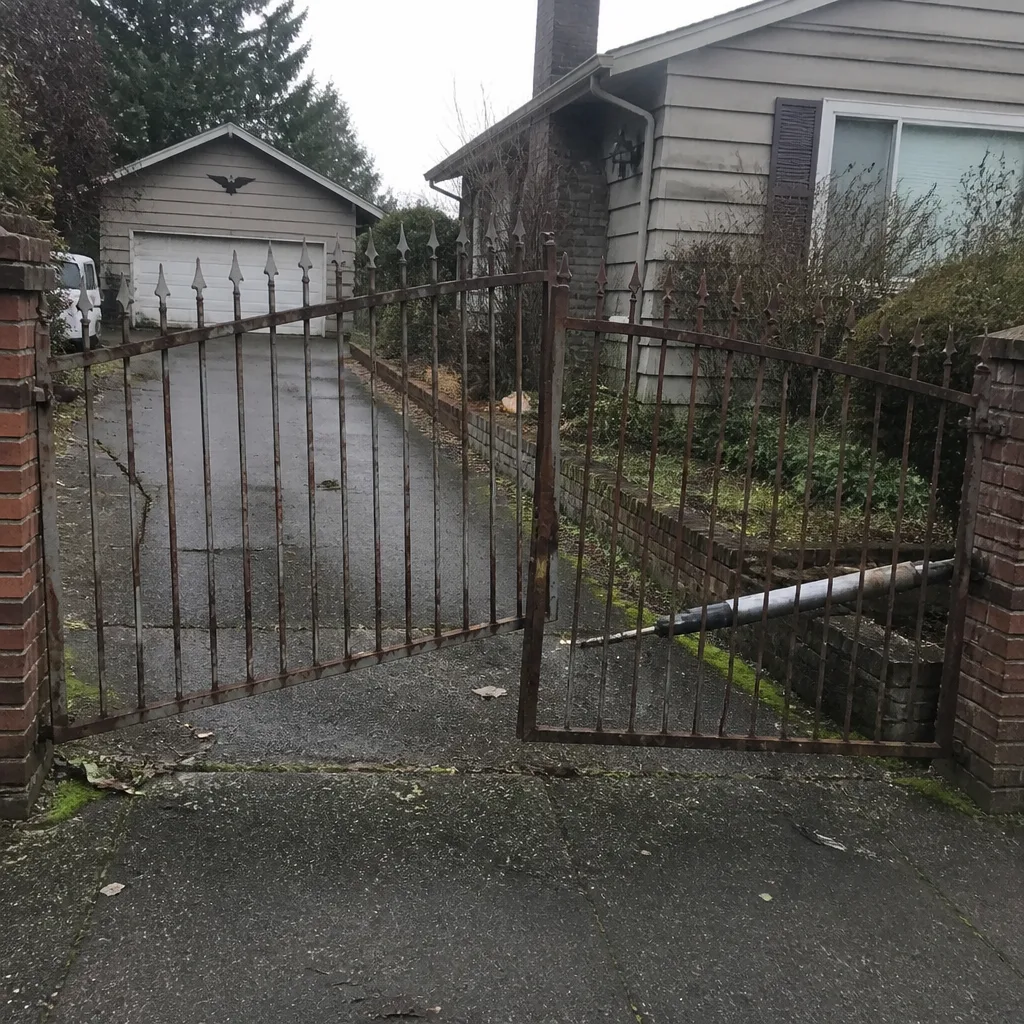 Before
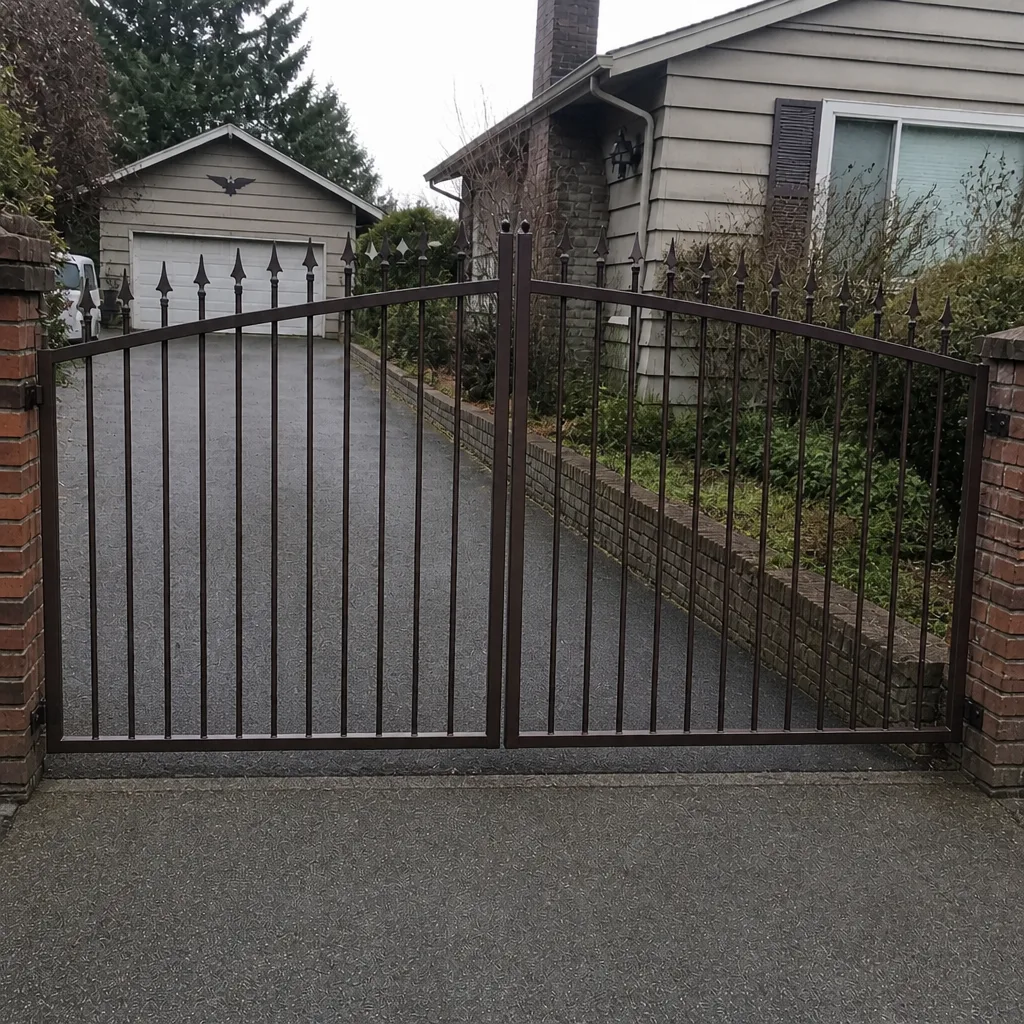 After
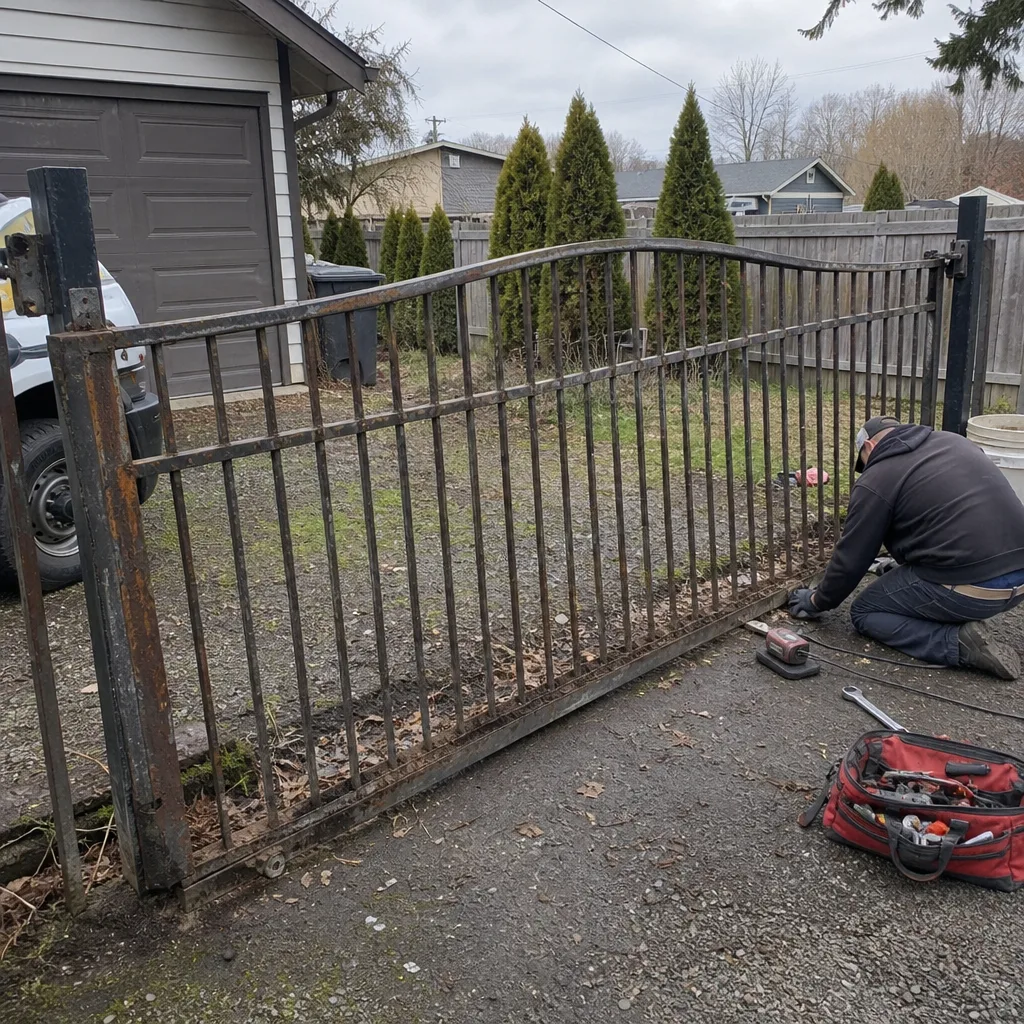 Before
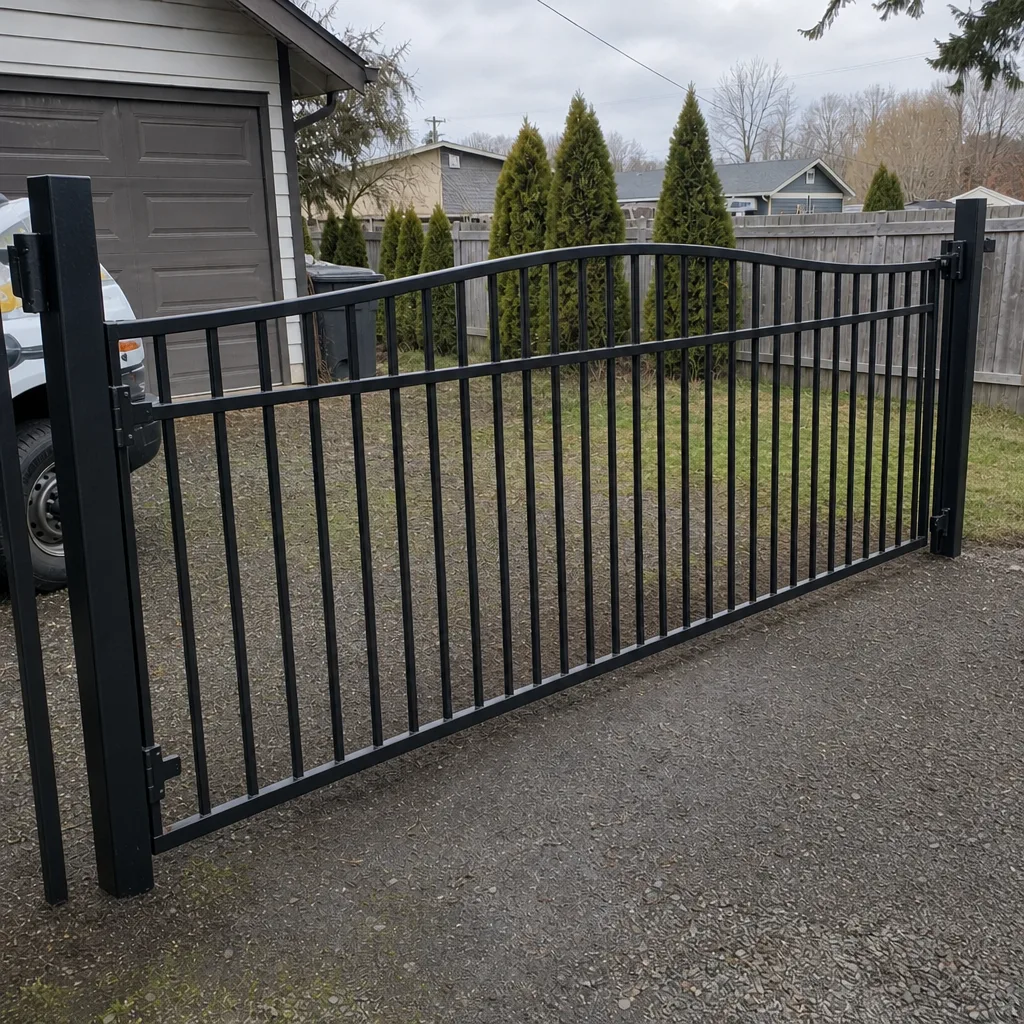 After
When to Call a Professional
Some gate problems are safe to handle yourself: a dead remote, a manual release you’ve used before, a gate you’ve secured temporarily with a chain. Others are not. Call a professional when the operator housing needs to be opened, when a control board is involved, when the gate has been hit by a vehicle, when the manual release won’t move, or when the gate is doing something you can’t explain. Electrical work and heavy moving parts are not places for guesswork, and a gate that fails under load can cause serious injury. Our technicians have up to 8 years of experience, and we work on nearly every major gate brand, including yours. Gate Repair Gresham offers free estimates in Gresham. Call (866) 942-6384.
Frequently Asked Questions
Release the operator manually, walk the gate to the closed position, and chain or strap it shut so it can’t drift back open. If the gate can’t be closed at all, block the opening with a parked vehicle or a barrier and lock any pedestrian entry. Call (866) 942-6384 for a free estimate. We answer 24/7, and fast dispatch runs from 7am to 7pm, Sunday through Friday.
Pricing is set per job by a written estimate, and the estimate is free. The final price depends on the brand, the part that failed, and whether the problem is mechanical or electrical. We quote and agree on the price before any work starts, so you know what you’re paying before we touch the gate. Call (866) 942-6384 for an exact quote.
We work on nearly every major gate brand, including LiftMaster, FAAC, BFT, Linear, Viking, Ghost Controls, DoorKing, Elite, and Mighty Mule. That range covers everything from budget residential operators to commercial-grade access systems. If you’re not sure of your brand, tell us what the label says and we can usually identify it. Call (866) 942-6384 for a free estimate.
Yes, same-day service is available for gate repair in Gresham. Call early in the day for the best chance of a same-day slot, and have your brand, model, and symptoms ready so we can bring the right parts. Call (866) 942-6384. We answer 24/7, and fast dispatch runs from 7am to 7pm, Sunday through Friday.
Probably not. A power outage usually just leaves the gate stopped mid-cycle. Use the manual release to move the gate by hand, and check your battery backup. If the gate still won’t run once power is restored, that’s when you need a technician. Call (866) 942-6384 for a free estimate.
Yes, we work on both. Residential driveways, homeowner association entries, property-manager accounts, and small commercial access gates are all within our scope. We diagnose the full system, from the mechanical gate hardware to the operator and control board. Call (866) 942-6384 for a free estimate.
The Bottom Line
Gate emergencies in Gresham come down to two categories: stuck open, which is a security problem, and stuck closed, which is an access problem. The right response to each is different, and the people who handle them best are the ones who planned ahead. Know your brand, know where your manual release is, keep a spare remote and a short length of chain, and check your gate before storm season and before the first freeze. When the problem is beyond a manual release, call a specialist who knows your operator. We work on nearly every major gate brand, and gate repair is all we do.
If your gate needs service, call Gate Repair Gresham at (866) 942-6384 for a free estimate. We answer 24/7, and fast dispatch runs from 7am to 7pm, Sunday through Friday. We’ll diagnose the problem at the source, quote a written price before any work starts, and bring the right parts the first time.
Written by the team at Gate Repair Gresham.