
Last updated November 15, 2026
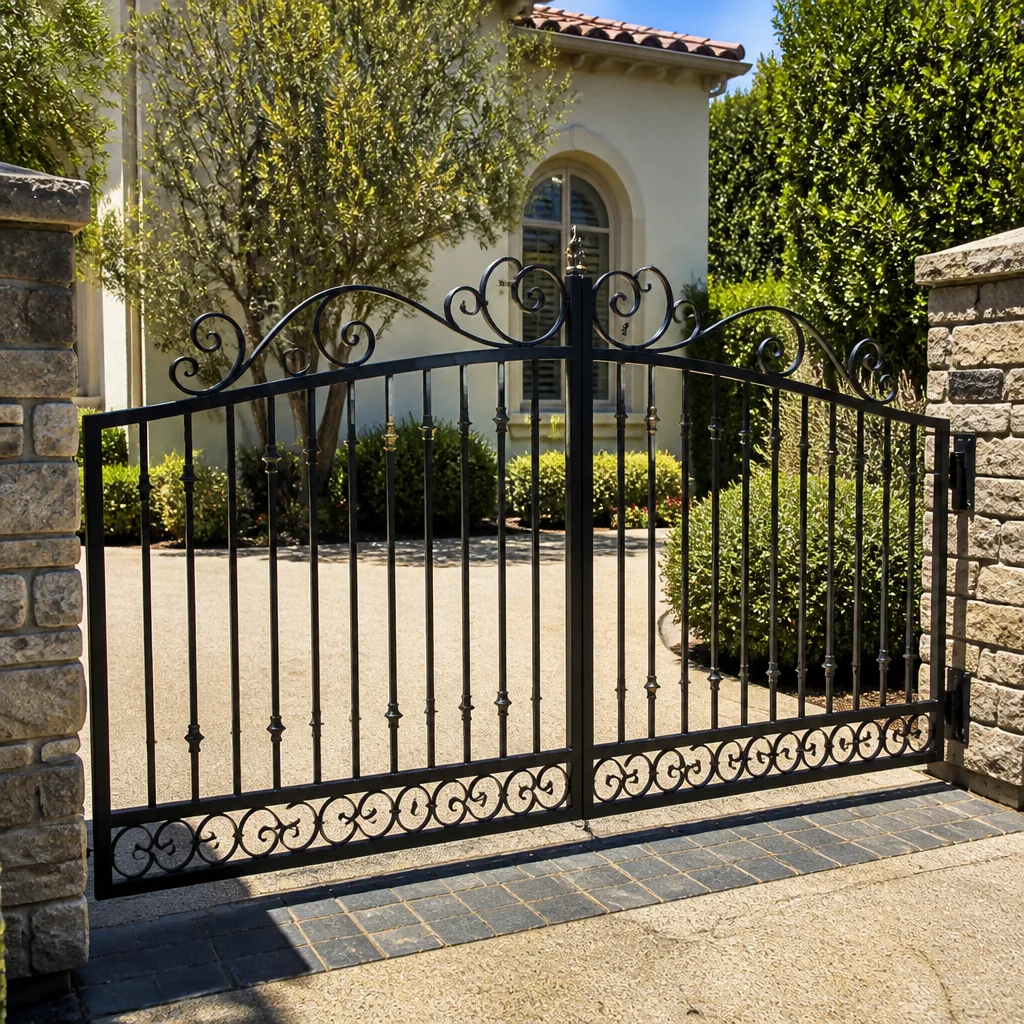 Wrought iron
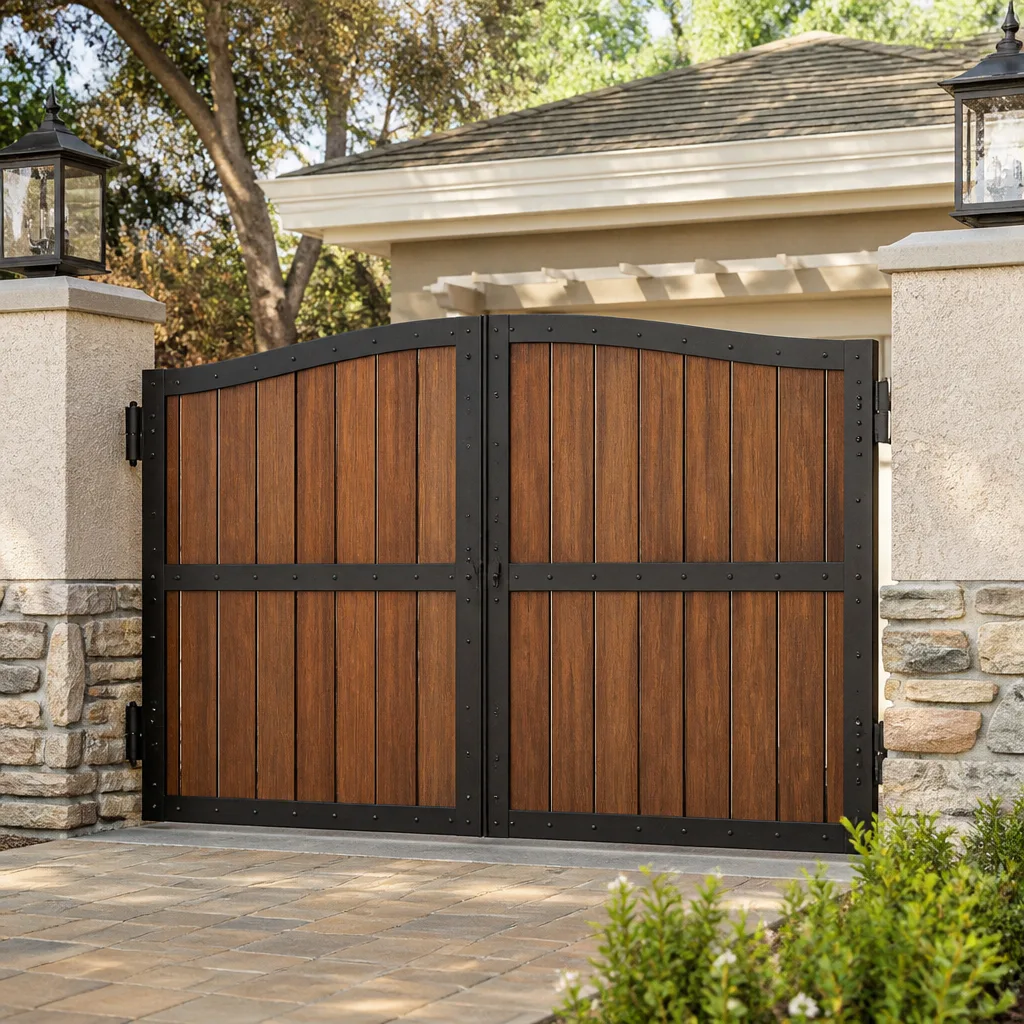 Wood & steel frame
 Farm & ranch
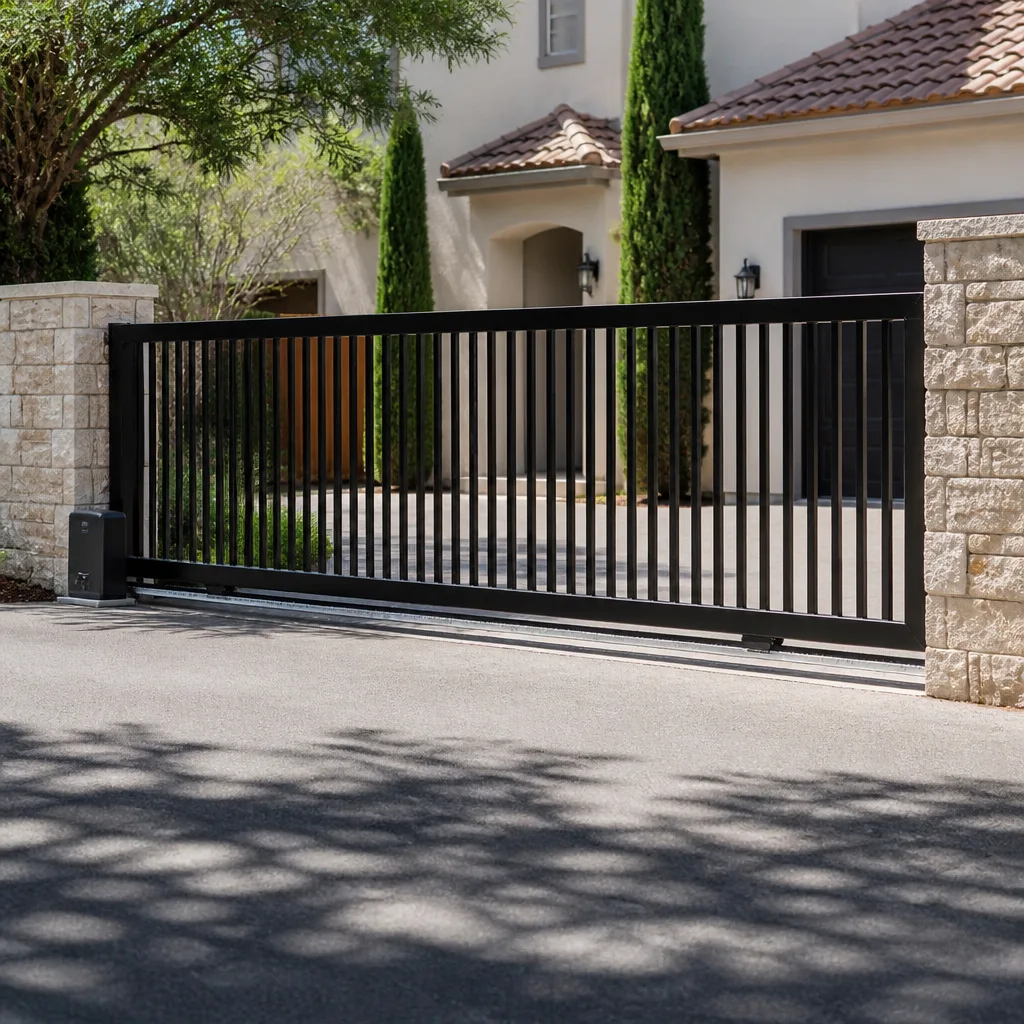 Sliding driveway gates
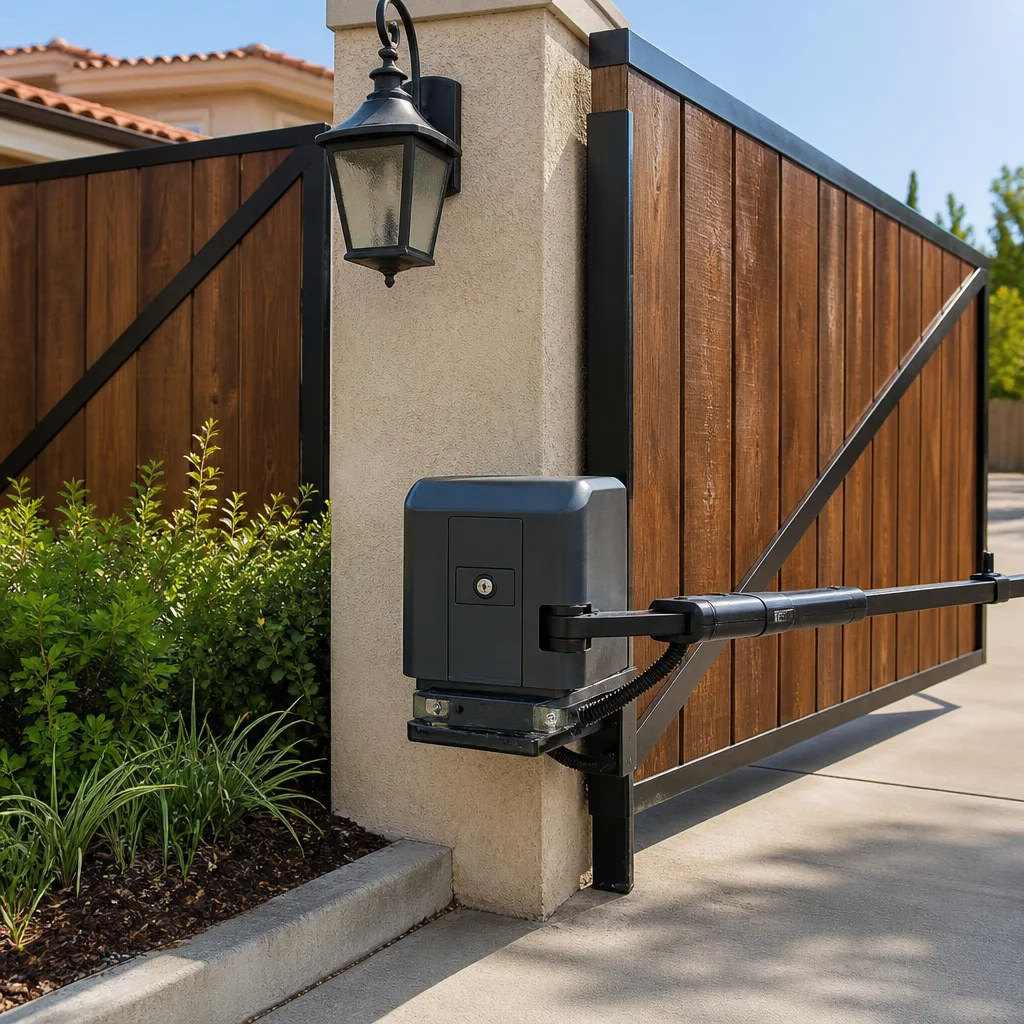 LiftMaster operators
Free on-site gate assessment - hinges, posts, and your LiftMaster or Nice gate operator checked before anything is quoted
The assessment is free and the quote is the invoice.
Get your free estimateGate Repair Permits, Codes & Inspections in Gresham, OR: What You Need to Know
The permit question for gate work isn’t really “is this a repair or an installation?” It’s narrower and more concrete: does the work change the gate’s electrical load, its structural footprint, or its proximity to the property line? Those three thresholds decide almost every case, and getting them wrong is where homeowners get exposed. A swapped motor on a like-for-like operator is usually not a permit job. A new circuit run out to a gate post is. A gate moved two feet toward the sidewalk may be. In this guide we walk through who governs gate work in Gresham, when Oregon rules pull a permit into the picture, how HOA overlays stack requirements on top of city code, why UL 325 matters even when no permit is involved, and what unpermitted work does to a future sale in the Gresham market.
Quick Answer
Most residential gate repairs in Gresham, Oregon do not require a building permit. A permit typically becomes necessary when the work involves new or altered electrical wiring to the operator, a structural change to the gate, posts, or footing, or a gate placed in or near the public right-of-way. UL 325 safety compliance applies to every automated gate regardless of permit status, and HOA rules in many Gresham-area developments add requirements that city code does not.
Styles & brands we work with
- Wrought iron
- Wood & steel frame
- Farm & ranch
- Sliding driveway gates
- LiftMaster operators
Table of Contents
- Who Governs Gate Work in Gresham: City, County, and State
- Repair vs. Installation: Where the Permit Line Actually Falls
- When Does a Gate Motor Replacement Trigger an Electrical Permit?
- HOA Overlays in Gresham-Area Developments
- UL 325 and Why It Matters Even With No Permit
- What an Inspection Actually Looks At
- Unpermitted Gate Work and a Future Home Sale
- Step-by-Step: Checking Your Own Gate Job
Who Governs Gate Work in Gresham: City, County, and State
Three layers can touch a gate project in Gresham, and each one owns a different piece of it. The City of Gresham handles building permits, site development, and anything affecting the public right-of-way through its Development Services department. Multnomah County enters the picture on right-of-way and some records functions depending on where the property sits along a county road. The State of Oregon sets the underlying construction and electrical codes that both the city and county enforce. Most unincorporated patches around Gresham fall under Multnomah County jurisdiction rather than city jurisdiction, which matters because the permitting office and the inspection schedule change with the address.
Here’s the practical breakdown for gate work:
- City of Gresham Development Services – building permits, structural work, and any gate, post, or fence tied to site development or the right-of-way.
- Multnomah County – projects on county-maintained roads and properties in unincorporated areas outside Gresham city limits.
- State of Oregon – the Oregon Residential Specialty Code for structural and electrical work, plus UL 325 adoption for automated gate operators.
- Your HOA or architectural review committee – an added layer in many planned developments, with its own submittal process separate from the city.
If you’re not sure which office has jurisdiction, the fastest check is your address on the county assessor’s map. A property inside Gresham city limits goes to Development Services. A property on a county road or in unincorporated Multnomah County goes to the county. Getting this wrong is the most common reason a homeowner submits a permit application to the wrong office and loses a week.
We work across Gresham on residential driveways and commercial access systems, and the jurisdiction question comes up on nearly every new gate install. It’s worth sorting out before anyone orders hardware.
Repair vs. Installation: Where the Permit Line Actually Falls
Homeowners tend to think the permit line is repair versus installation. It isn’t. A full gate replacement in the same footprint, on the same posts, with the same wiring, is often a repair in the eyes of the building department. A small change that alters the electrical load or moves a post can be a permit job even though it feels like a repair. The deciding factors are always the same three: electrical load, structural footprint, and proximity to the property line or right-of-way.
Here’s how the common gate jobs break down in our experience:
- Operator motor swap, like-for-like – usually no permit. Same voltage, same circuit, same mounting point.
- New circuit run out to the gate – electrical permit. New wiring from the house panel to the operator is a new circuit.
- Post replacement in the same footing – usually no permit. Post replacement with a new or larger footing is a structural change.
- Gate widening, height change, or new gate – building permit in most cases. It changes the structural footprint.
- Gate moved toward the property line or right-of-way – review by the city, especially with any setback or sight-distance implication.
- Control board or sensor swap on an existing system – no permit. Low-voltage component replacement on an existing install.
- Adding an operator to a manual gate – electrical permit, and typically a UL 325 review if the gate wasn’t designed for automation.
The pattern to remember: electrical load, structural footprint, proximity to the line. If a job touches none of those, it’s almost always a straight repair. If it touches any of them, call the city before you buy the operator.
When Does a Gate Motor Replacement Trigger an Electrical Permit?
A gate motor replacement triggers an electrical permit when the new operator pulls a different current draw, requires a new or enlarged circuit, needs a new disconnect, or involves any new wiring between the house panel and the gate. Under the Oregon Residential Specialty Code, the electrical permit is tied to the wiring work, not to the operator itself. Swap a failed operator for the same model on the existing circuit and you’re outside the permit threshold. Change the voltage, add a dedicated circuit, or run a new line to a post that never had one, and the electrical permit applies.
Common triggers we see in Gresham:
- A slide gate converted from a low-voltage solar or battery operator to a 120-volt AC operator, which means a new circuit and a permit.
- A gate post moved during a driveway widening, which pulls the operator feed to a new location.
- A second operator added for a matching street-side gate on the same driveway, which increases the load.
- A manual gate converted to automatic, which means power where there was none.
What usually doesn’t trigger a permit: replacing a failed control board on an existing operator, swapping a photo-eye or safety edge, replacing a worn drive gear, or replacing an arm on a swing operator. Those are component repairs on a system that already has its electrical permit history.
On a brand-agnostic note, the answer is the same whether you’re running a Linear swing operator or a commercial DoorKing slide system. The permit question follows the wiring, not the brand. We work on nearly every major gate brand, including yours, and the electrical trigger is consistent across all of them.
One safety note before we move on. Gate operator wiring and the electrical run to a gate post carry line voltage and belong with a licensed electrician. If you’re diagnosing an operator that keeps tripping a breaker, call a trained professional rather than opening the control enclosure. The risk isn’t worth the savings.
HOA Overlays in Gresham-Area Developments
Some of the most frustrating gate permit denials in Gresham don’t come from the city at all. They come from an HOA architectural review committee. Many planned developments in and around Gresham build in their own gate, fence, and accessory structure requirements: a maximum height, a required style, a paint color, a setback from the sidewalk, a prohibition on slide gates on corner lots, sometimes an outright ban on automatic operators in certain sections. None of that shows up on a city permit application, and none of it is waived by a city approval.
How to find out if your property is covered:
- Check your closing paperwork for a recorded CC&R document or a declaration of restrictions. The word “architectural” in the title is a strong signal.
- Search your county recorder’s records for a plat or declaration recorded against your parcel.
- Look at your HOA’s current design guidelines, which often change and rarely match what the CC&R originally said.
- Submit an architectural request before you buy an operator, not after. Most committees meet on a schedule, so the earlier the better.
In our experience, an HOA denial after an install is more expensive than an HOA denial before one. If you’re replacing a gate in a Gresham subdivision with a committee, treat the HOA submittal as a step in the project, not an afterthought. The city may approve the work and the HOA may still require you to take it out.
UL 325 and Why It Matters Even With No Permit
UL 325 is the safety standard that governs automated gate operators and their entrapment protection. Oregon has adopted it as part of its residential code, and it applies to every automated gate you own, whether or not the install ever went through a permit. The standard covers the operator’s inherent entrapment protection and any external devices required to close the gate safely: photo eyes, safety edges, and in some configurations a gate-mounted reversing sensor.
Why it matters to a homeowner, even without a permit:
- Insurance claims. If an automated gate injures someone, an adjuster will ask whether the operator met UL 325 at the time of the incident. A missing photo eye or a removed safety edge is the fastest way for a carrier to deny or limit a claim.
- Liability exposure. UL 325 compliance is the standard a court will measure against. A gate that closes without entrapment protection is an exposure whether or not you ever pulled a permit.
- Sale disclosure. Automated gates in Gresham routinely come up during a home inspection, and an inspector will note a missing or improperly mounted safety device.
- Operator brand differences. A Viking swing operator and a commercial DoorKing slide system both need UL 325 protection, but the specific devices and placement differ by operator and by gate type.
We work on automated gates daily, and the single most common UL 325 defect we find is a safety edge that was removed because it kept getting knocked loose by a dragging gate. That’s the wrong fix. If the safety edge keeps getting hit, the gate is out of adjustment. Removing the device converts a small repair into a liability.
If you’re not sure whether your gate meets UL 325, that’s a legitimate reason to get a professional to look at the operator and its safety devices. We’d rather diagnose it before someone gets hurt than after.
What an Inspection Actually Looks At
An inspection on a permitted gate job isn’t about the operator’s brand or how smooth the gate swings. It’s about the specific items the permit was issued for. The inspector checks that the work matches the approved scope, that the structure is built to the plans, and that the electrical installation meets the state code. On automated gates, the inspector also checks UL 325 entrapment protection where the operator was part of the permit.
The items we see checked most often on a Gresham gate job:
- Footing depth and dimensions. Match the approved plans. Posts don’t go to a fixed “frost” number here; they go to the footing detail the plans call for, and the inspector measures against that.
- Post set and gate alignment. The inspector wants the gate to operate against its stops without binding.
- Electrical rough-in. Conduit, conductor size, and disconnect placement against the approved electrical scope.
- UL 325 devices. Photo eyes, safety edges, and any required gate-mounted protection.
- Setback from the property line or right-of-way. Measured against the approved site plan.
The most common inspection failure on gate jobs in our experience is a mismatch between what was approved and what got built, not a code violation in the workmanship. A post installed a few inches outside the approved location, a safety edge added after the plans were approved, an operator swapped for a different model without updating the submittal. Each of these is fixable, but each of them turns one inspection into two. Match the build to the approved scope and the inspection is usually the easiest part of the project.
Unpermitted Gate Work and a Future Home Sale
Unpermitted gate work doesn’t always surface at resale. When it does, it usually shows up in one of three ways: the buyer’s inspection report, the title company’s records check, or the appraiser’s site visit. In the Gresham and Multnomah County market, where automated gates are common on larger lots and in newer planned developments, a buyer’s inspector will look at the operator and its safety devices and note anything that doesn’t match the standard.
What unpermitted work means in practice:
- Delayed closing. A buyer’s lender may require documentation of permits for structural or electrical work before funding.
- Retroactive permitting. Many unpermitted jobs can be permitted after the fact, but the process may require a site inspection, corrections, or added cost.
- Reduced negotiation leverage. An unpermitted gate in the transaction is a talking point for the buyer, and usually a request for a credit.
- Removal requirements. In rare cases, a gate built in the wrong location violates a setback and must be removed, and no permit cures a setback violation.
The cleanest way to protect a future sale is to sort out permits at the time of the work. If you buy a home with an existing automated gate, ask the seller for the electrical permit history and the operator’s UL 325 documentation. If neither turns up, budget for a review before you close.
Step-by-Step: Checking Your Own Gate Job
Before you commit to a gate repair or installation in Gresham, run this sequence. It takes about a day of phone calls and answers almost every permit question before hardware gets ordered.
- Confirm your jurisdiction. City of Gresham or Multnomah County? Look up your address on the county assessor’s map, or call Gresham Development Services and ask.
- Write down the scope. What’s being repaired, replaced, or added? Note any new wiring, new footing, new post, or change in the gate’s position.
- Call the permitting office with the scope. Ask a specific question, not “do I need a permit?” Ask “does replacing this operator on the existing circuit require a permit?” and “does adding a new circuit to the gate require an electrical permit?”
- Check for an HOA. If you have a recorded CC&R with an architectural committee, submit your request before ordering anything.
- Get a written scope from your gate technician. The scope and the permit answer from the city should match before work starts.
- Ask about UL 325. Confirm the operator will have the required entrapment protection, whether or not a permit applies.
- Keep the documentation. Permit number, inspection card, and operator manual all go in the home file. They come back into play at resale.
For jobs that stay purely on the repair side, this whole sequence is a single phone call. For jobs that touch the line, run all seven steps. It’s faster than finding out after the fact that a permit was missed.
If the job is more involved than a component repair, our gate repair service covers diagnosis and the electrical side of the operator, and our electric gate repair work covers the control board, motor, and operator issues that usually show up alongside a permit question. For a fresh install or a full replacement, that’s a separate scope with its own permitting steps.
Common Mistakes to Avoid
- Assuming “repair” always means “no permit.” A motor upgrade to a higher-voltage operator is a repair in spirit and an electrical permit in practice. Get the scope in writing before hardware gets ordered.
- Calling the wrong permitting office. An unincorporated Multnomah County address isn’t a City of Gresham address, and submitting to the wrong office burns a week of the project timeline.
- Installing first, asking the HOA second. An HOA can require removal of a gate the city approved. The submittal is a step in the project, not a formality after it.
- Skipping UL 325 because no permit was pulled. Every automated gate in Gresham needs UL 325 entrapment protection regardless of permit status. Missing devices are the fastest way to lose an insurance claim.
- Removing a safety edge instead of adjusting the gate. A dragging gate that keeps hitting the safety edge is out of adjustment. Removing the device converts a small repair into a liability.
- Ignoring the right-of-way on corner lots. Gates moved closer to the sidewalk on a corner lot can run into sight-distance or setback review. Check before you pour new footings.
- Not keeping the permit documentation. Permit number, inspection card, and operator manual end up on a buyer’s inspection report at resale. They’re only useful if you can find them.
See the difference
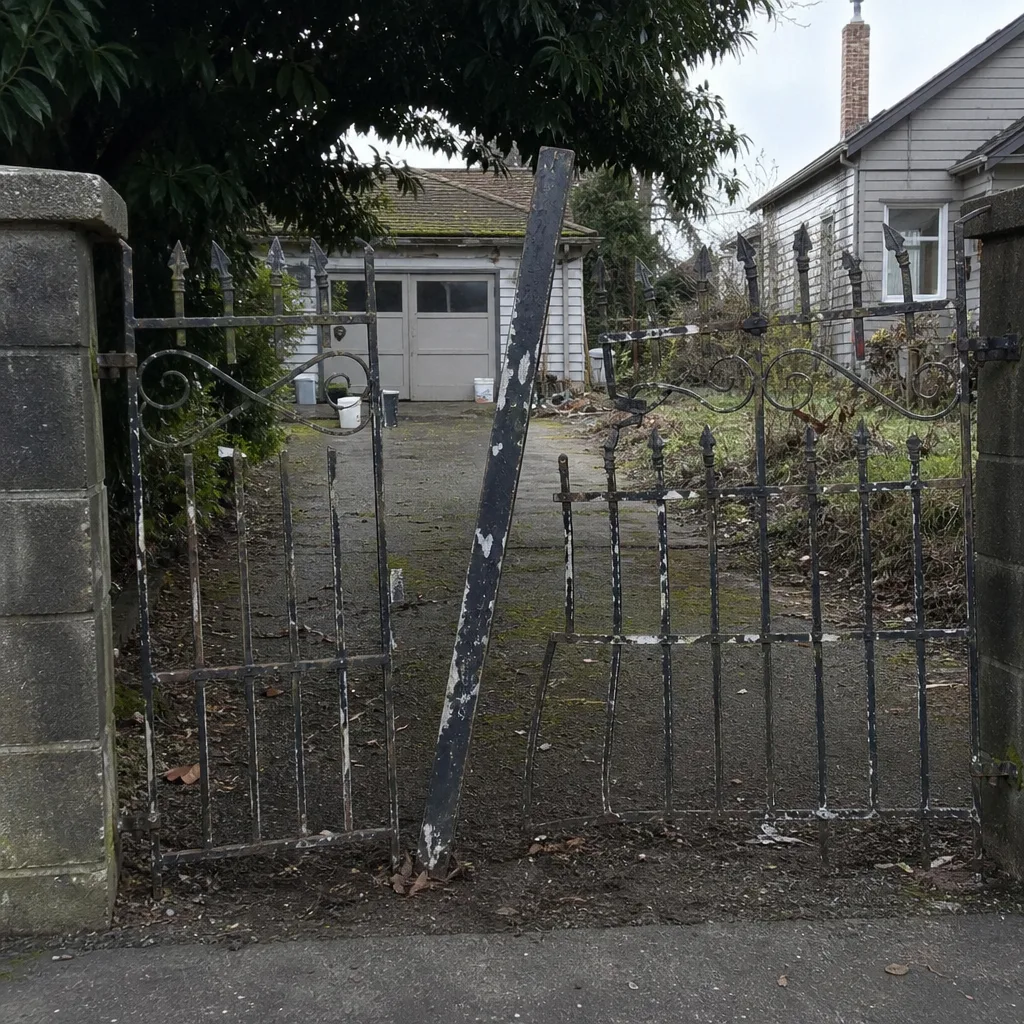 Before
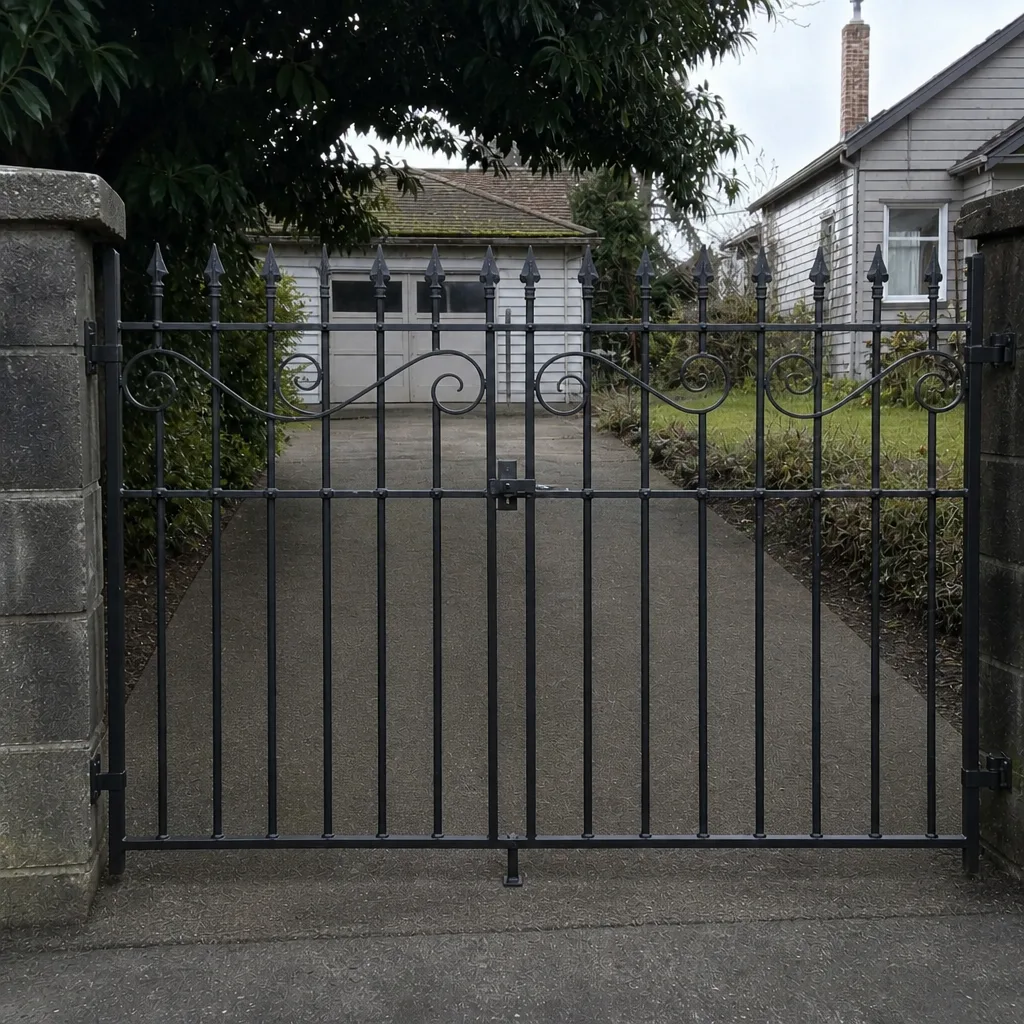 After
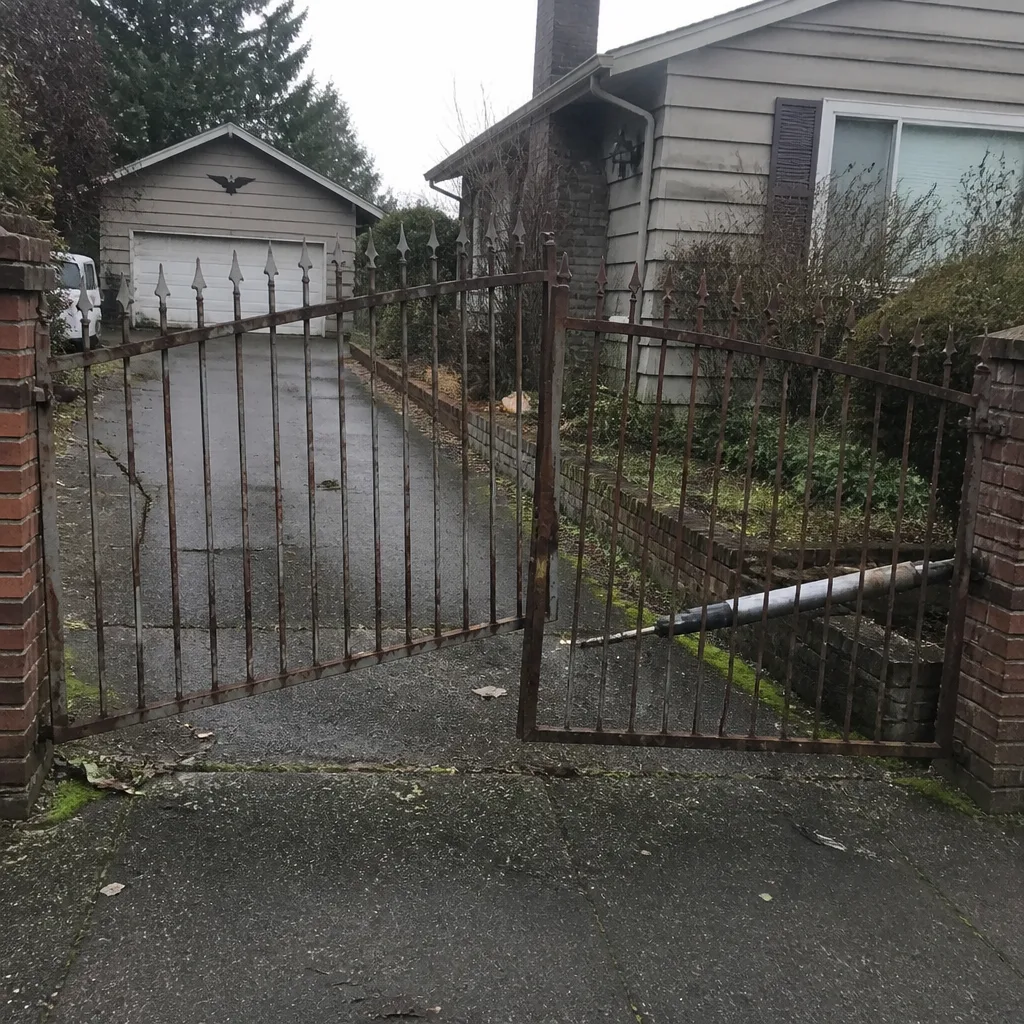 Before
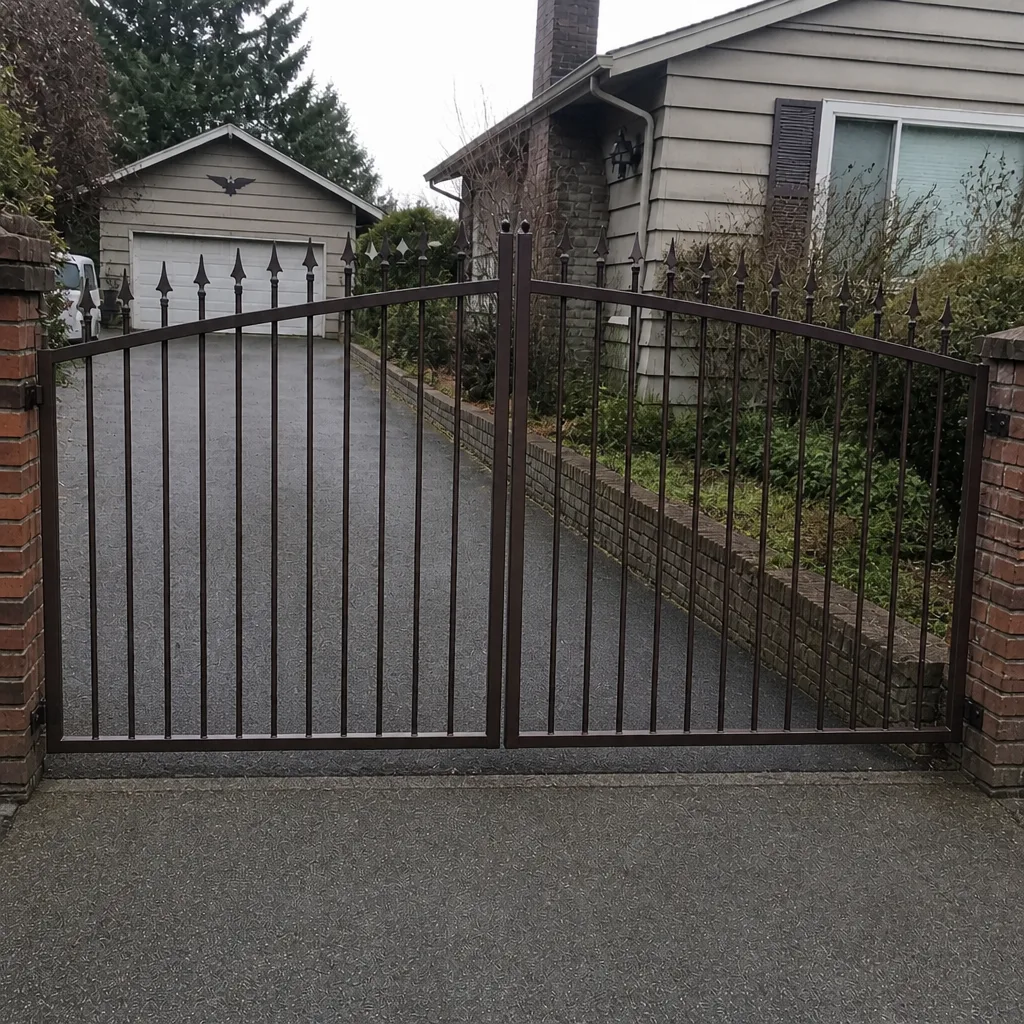 After
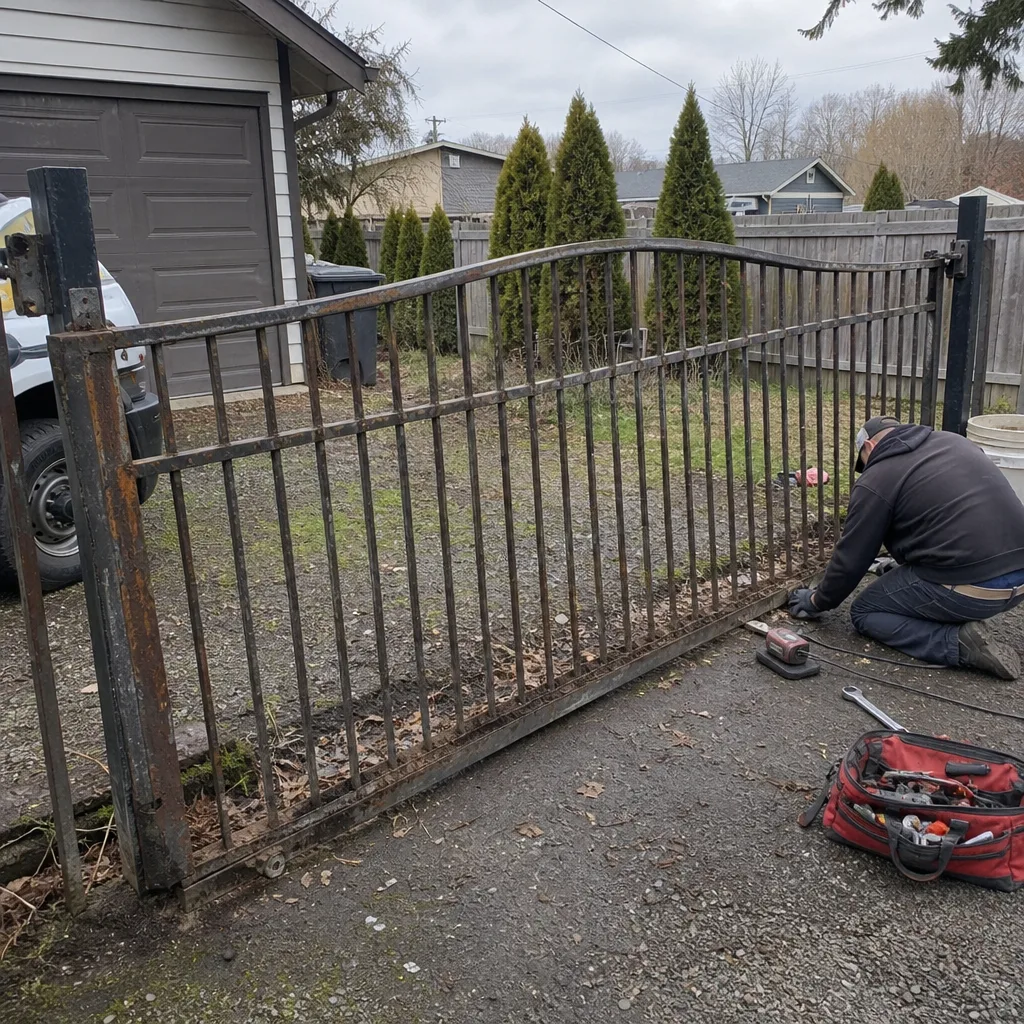 Before
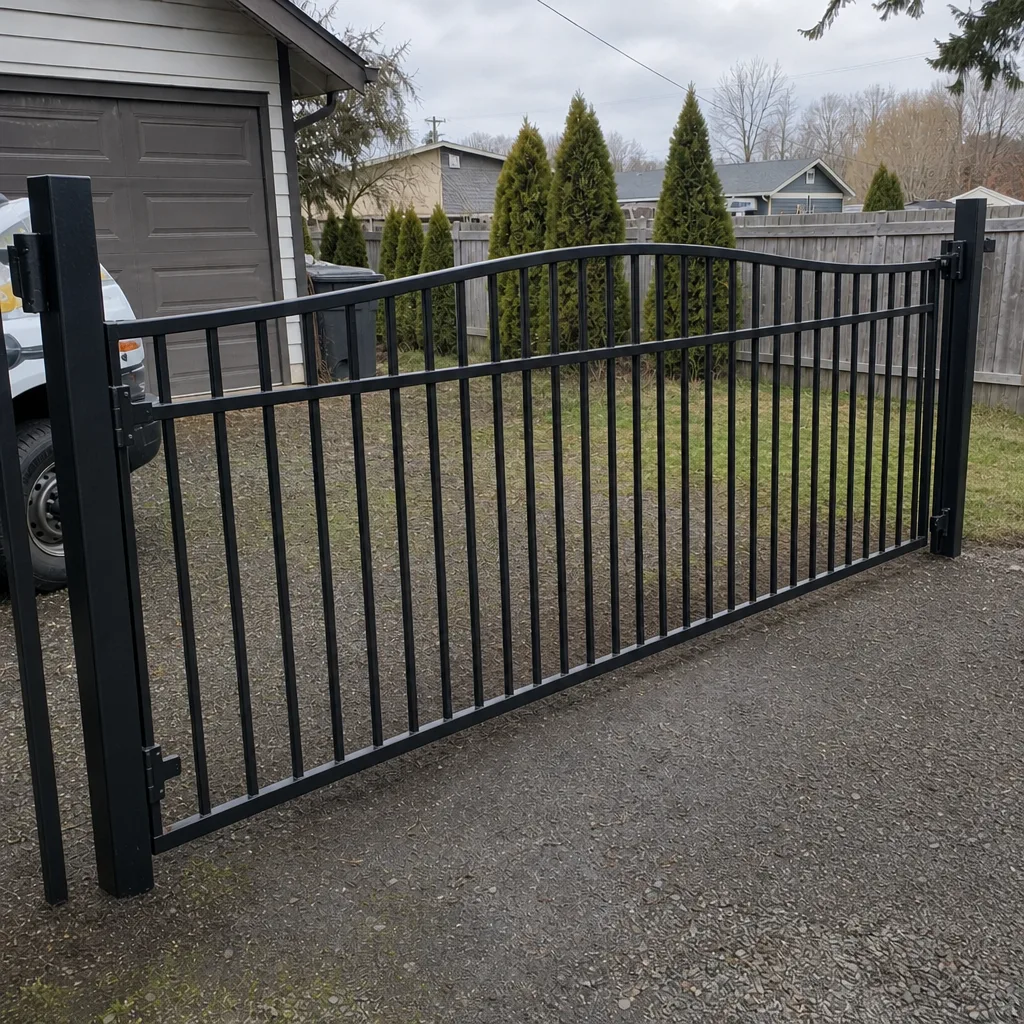 After
When to Call a Professional
Call us when the scope of a gate job is unclear and the permit question isn’t resolving on paper, when an operator keeps tripping a breaker and the wiring needs diagnosis, when a safety device keeps getting knocked off and the gate needs adjustment, or when a manual gate is being converted to an automated one and the electrical work has to be planned around a permit. We’re a gate specialist, not a generalist. From a bent arm to a failed control board, we diagnose it at the source, and we work on nearly every major gate brand. Gate Repair Gresham offers free estimates in Gresham. Call (866) 942-6384. We answer 24/7. Fast dispatch from 7am to 7pm, Sunday through Friday.
Frequently Asked Questions
Most gate repairs in Gresham do not require a permit. A permit becomes necessary when the work changes the gate’s electrical load, its structural footprint, or its proximity to the property line or right-of-way. Component swaps like a control board, safety edge, or drive gear on an existing system are typically outside the permit threshold. Call (866) 942-6384 for an exact scope – estimates are free.
An electrical permit is required when the new motor needs a different circuit, new wiring, a new disconnect, or a different current draw than the existing installation. A like-for-like operator swap on the existing circuit usually does not require one. The permit follows the wiring, not the operator. Call (866) 942-6384 and we’ll talk through your specific operator and circuit.
It depends on your address. Properties inside Gresham city limits go through City of Gresham Development Services. Properties in unincorporated Multnomah County or on a county-maintained road go through Multnomah County. The clear check is your address on the county assessor’s map. Call (866) 942-6384 if you want help figuring out which office applies to your gate job.
Yes. UL 325 applies to automated gate operators in Oregon regardless of whether the original install went through a permit. Photo eyes, safety edges, and any operator-specific entrapment protection are required for the gate to operate safely. Missing devices can complicate an insurance claim and create liability exposure. Call (866) 942-6384 and we’ll check your gate’s safety devices.
Yes. A buyer’s inspection, a title records check, or a lender’s underwriting may surface unpermitted gate work and delay or complicate a closing. Many unpermitted jobs can be permitted retroactively, but the process may require a site inspection and corrections. Keeping permits and operator documentation on file avoids the problem entirely. Call (866) 942-6384 if you’re reviewing an existing automated gate before sale.
No. HOA architectural review and city permitting are two separate processes, and both apply when a property is covered by a recorded CC&R with an architectural committee. City approval does not overrule an HOA denial, and in some cases an HOA will require removal of work the city permitted. Check both before ordering hardware. Call (866) 942-6384 if you want a written scope to bring to your committee.
The Bottom Line
Most gate repair in Gresham is a straight repair with no permit. The permit question is narrow and specific: electrical load, structural footprint, proximity to the line. A like-for-like operator swap stays on the repair side. New wiring, new footings, gate widening, or a gate moved toward the right-of-way pulls a permit into the picture. HOA overlays sit on top of city code in many Gresham-area developments, and UL 325 applies to every automated gate regardless of permit status. If you’re not sure where your job falls, run the seven-step check before you order hardware, and call a gate specialist before opening the control enclosure. If your operator brand is Linear, Viking, Ghost Controls, DoorKing, or any of the others we work on, we can help sort the scope first and the permit second.
Ready to get a scope in writing? Call Gate Repair Gresham at (866) 942-6384 for a free estimate on your gate job. We answer 24/7. Fast dispatch from 7am to 7pm, Sunday through Friday. Visit our home page for an overview of Gate Repair Gresham and the three services we cover: gate repair, electric gate repair, and gate installation.
Written by the team at Gate Repair Gresham.