
Last updated November 15, 2026
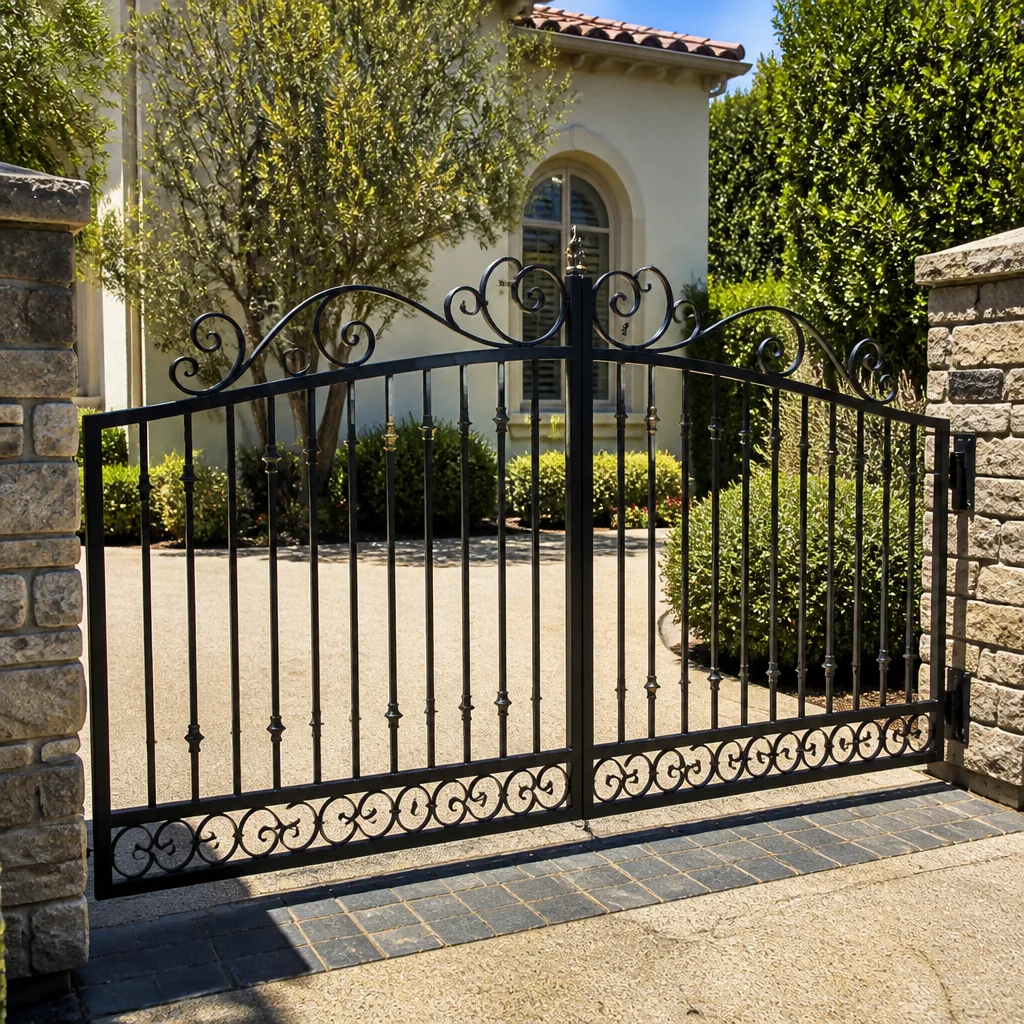 Wrought iron
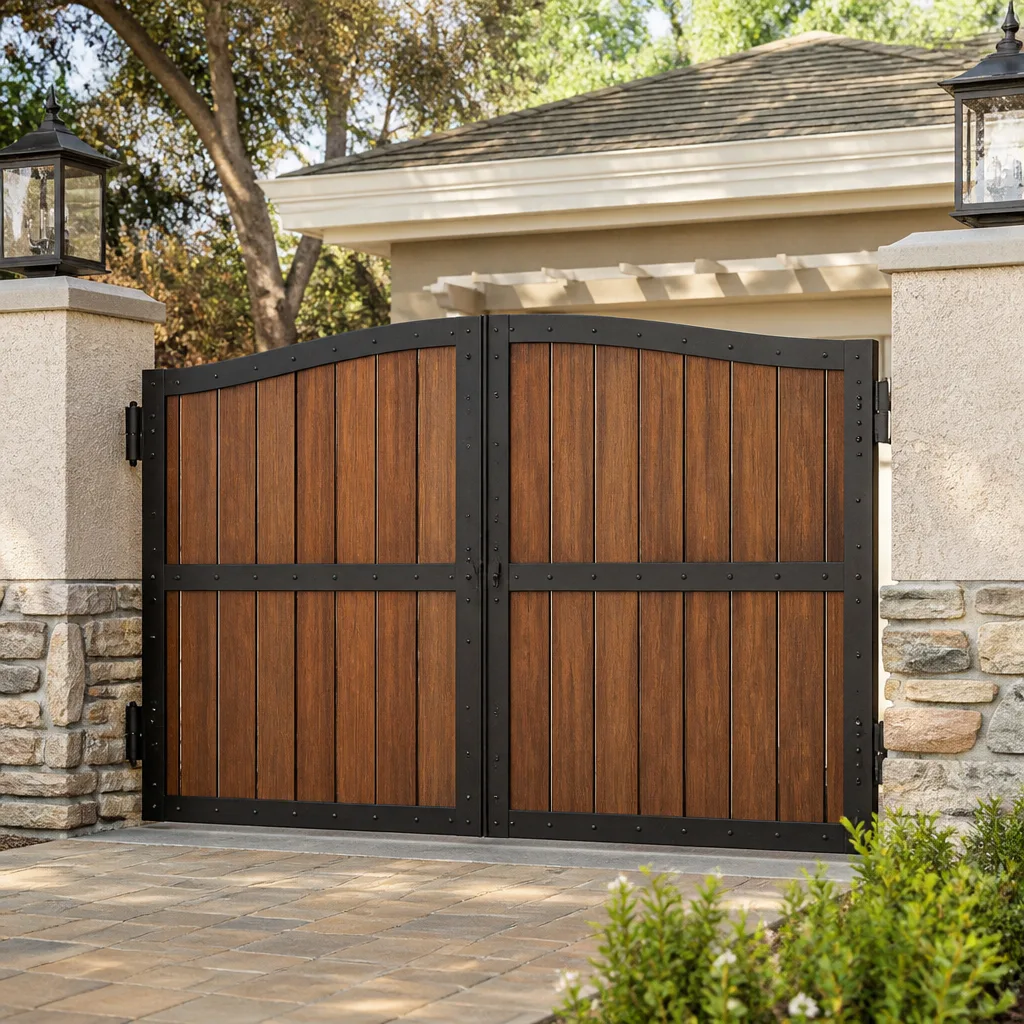 Wood & steel frame
 Farm & ranch
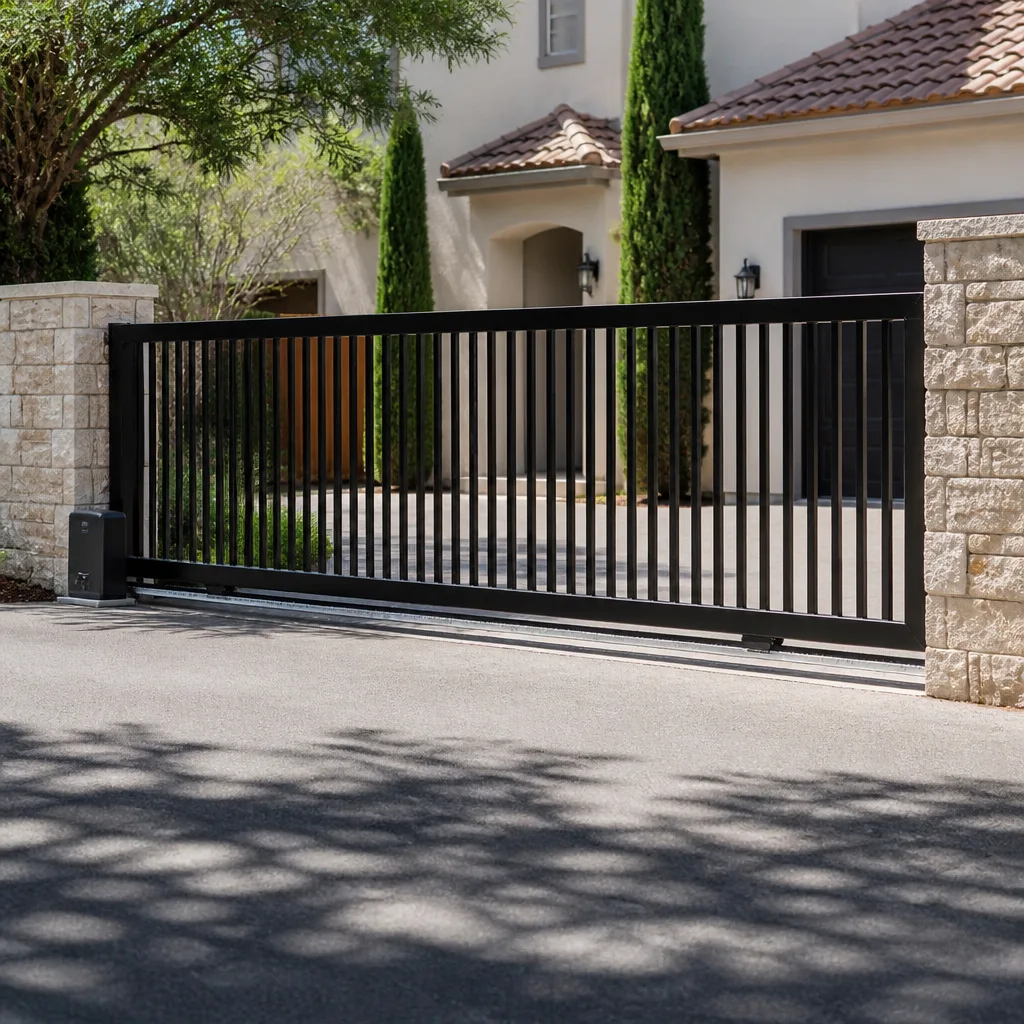 Sliding driveway gates
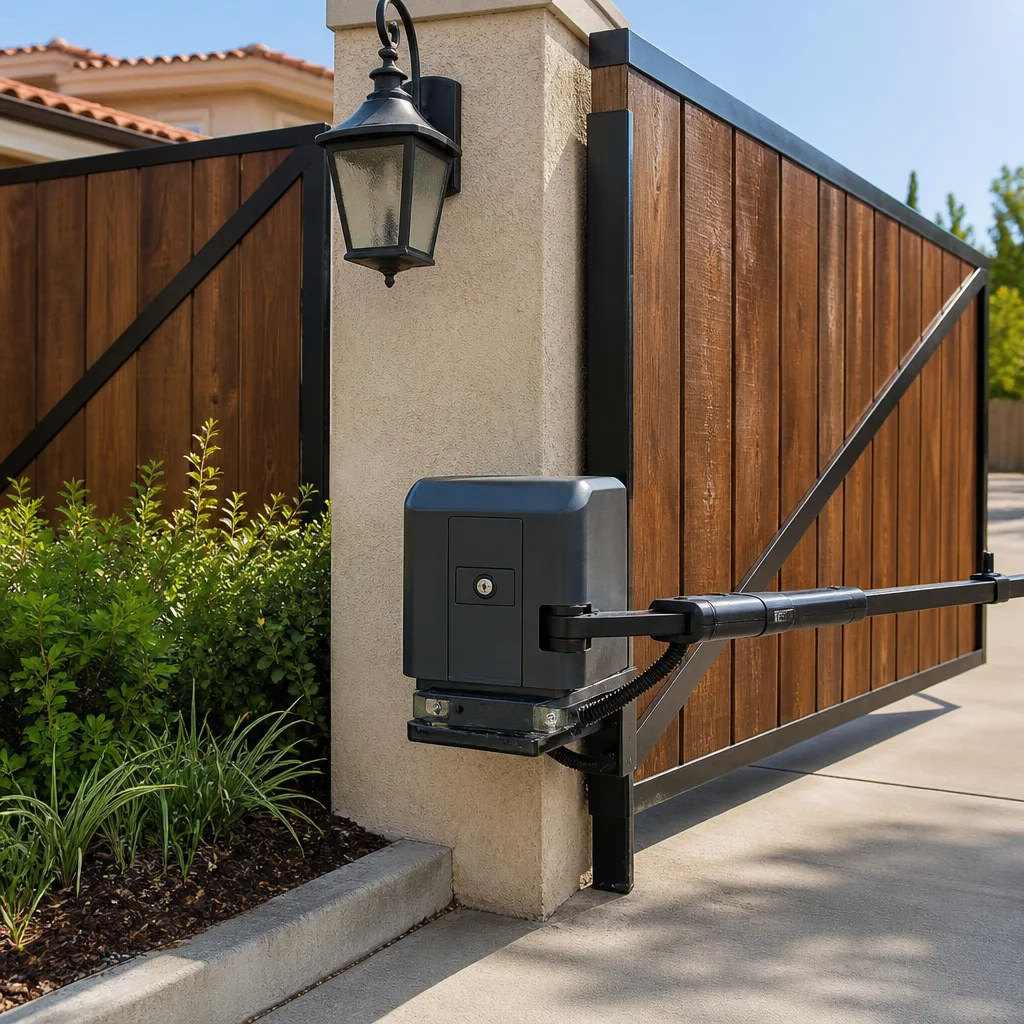 LiftMaster operators
Free on-site gate assessment - hinges, posts, and your LiftMaster or Nice gate operator checked before anything is quoted
The assessment is free and the quote is the invoice.
Get your free estimateGate Repair Maintenance Schedule: What to Do and When
A calendar isn’t a maintenance schedule. Two gates of the same age on the same street can be thousands of cycles apart, and the one that runs twenty times a day will wear out its operator years before the one that opens twice. That’s the piece most checklists miss. Here in Gresham, wet winters, freeze-thaw swings, and dry summers add their own wear on top of the cycle count. This guide builds a maintenance calendar around your gate’s drive type, how hard it works, and the seasons we actually get. You’ll learn what to lubricate and with what, what to leave alone, and the checks that catch a failing motor before it quits.
Quick Answer
Match your gate maintenance to its cycle count, not just the calendar: a residential slide gate used a few times a day needs a light check twice a year, while a busy swing gate or barrier arm doing 20 or more cycles a day needs lubrication and inspection every 90 days. In Gresham, add seasonal tasks – clear drain channels before the fall rains, check grease viscosity before the first freeze, and inspect wiring insulation each summer. Log performance so you catch a sagging motor before it fails.
Styles & brands we work with
- Wrought iron
- Wood & steel frame
- Farm & ranch
- Sliding driveway gates
- LiftMaster operators
Table of Contents
- Why Cycle Count Beats the Calendar
- Maintenance Intervals by Gate Type
- The Gresham Seasonal Calendar
- What to Lubricate and What to Leave Alone
- Logging Performance to Catch Failures Early
- The 90-Day Control Board Check
- Safety Systems You Should Never Skip
- Common Mistakes to Avoid
Why Cycle Count Beats the Calendar
A gate that opens and closes 20 times a day racks up more than 7,000 cycles in a year. A residential driveway gate used a handful of times daily might not hit that count in three years. Same hardware, radically different wear. If your schedule only says “lubricate annually,” the busy gate is overdue and the quiet one is being fussed over for no reason.
We work on automated gates across Gresham, from a single driveway operator to commercial access points, and the pattern holds everywhere: wear follows cycles. The operator doesn’t know it’s been twelve months. It knows it’s been twelve thousand cycles.
Here’s how to estimate yours without a cycle counter:
- Count activations per day – arrivals, departures, deliveries, tenant traffic, mail.
- Multiply by the days the property is active (a seven-day rental property is active far more than a weekday office).
- Add anything that runs the gate unprompted, like scheduled open/close timers.
- Round up. A gate doing “about 15” is closer to 20, and the extra cycles are what wear the motor and arm.
Once you have a rough annual cycle count, you can set intervals that actually match your gate instead of guessing. A property manager watching several gates at once will usually find one hard-working unit that needs attention while the rest coast. That single difference is why a generic checklist under-serves some gates and over-serves others.
Maintenance Intervals by Gate Type
Slide, swing, and barrier arm gates wear on different parts, so their intervals differ even at the same cycle count. Below is how we’d frame it in practical terms.
Slide gates
The rail, rollers, and chain take the beating. Rollers and the track need inspection every 90 days on a high-cycle gate and twice a year on a light-use one. Chain tension drifts, and a loose chain chews the sprocket. This is one of the most common failures we see on Gate Repair Gresham electric gate repair calls.
- Rollers and track: clean and inspect quarterly (high use) or twice yearly.
- Chain: check tension and lubricate on the same interval.
- Limit switches: verify the gate stops square, not slamming or short-stroking.
- Safety edges and photocells: test monthly, since alignment drifts.
Swing gates
Hinges, the operator arm, and the motor gearbox carry the load. Arms wear at the joints, and hinges settle as posts shift with the ground. On a busy rental property in Gresham, a swing gate hitting 20+ cycles a day should get a full inspection every 90 days – hinge check, arm pivot lubrication, and an operator load test.
Barrier arm gates
Usually parking-lot duty, so cycles pile up fast. The arm balance, the counterweight mechanism, and the motor brake are the wear points. These often want quarterly service at minimum.
The Gresham Seasonal Calendar
Local weather does work on your gate that a generic schedule ignores. Gresham gets wet winters with freeze-thaw cycles and dry, warm summers, and each season stresses something different.
Before the fall rains
- Clear drain channels and weep holes around the gate base so water doesn’t pool at the posts.
- Check the footing area for erosion and standing water, which softens the ground and lets posts shift.
- Inspect seals and covers on the operator housing for cracks that let rain in.
Before the first freeze
- Check grease viscosity – cold thickens grease, and stiff grease strains the motor. A lubricant that worked all summer can drag a gearbox in January.
- Test the operator’s low-temperature performance so a cold morning doesn’t lock the gate halfway.
- Clear debris from tracks so ice doesn’t bind a slide gate.
Through summer
- Inspect wiring insulation for UV cracking and sun damage, especially on exposed runs.
- Check for heat-related expansion at the rail and hinges.
- Look at the control box for dust build-up that traps heat.
Freeze-thaw is the quiet culprit here. Small cracks in the concrete footing widen when water gets in and freezes, and that shifts a gate’s alignment over a couple of winters. Clearing drains before fall is cheaper than realigning a post later.
What to Lubricate and What to Leave Alone
The right lubricant on the right part extends life. The wrong one attracts grit and grinds parts down faster. Here’s the short version.
Lubricate these
- Chain (slide gates): a dedicated chain lube, applied lightly. Dry-film chain lube is best because it doesn’t hold grit the way wet oil does.
- Hinges and arm pivots (swing gates): white lithium grease on the pivot points, sparingly.
- Rollers (slide gates): a light application of white lithium on the bearing surfaces.
- Photocell and safety-edge seals, exposed wiring connectors: a silicone spray to protect against moisture and UV, not for moving parts.
Leave these alone
- Limit switch contacts and terminal blocks: oil traps dirt and interferes with conductivity. Clean these dry.
- The motor gearbox internals: sealed units don’t want added grease. If the internal grease is the problem, that’s a service decision, not a wrench-and-can job.
- Tracks on slide gates: don’t grease the track itself. Grease collects grit and the rollers start skipping.
Half the wear we diagnose comes down to the wrong lubricant in the wrong place. A Mighty Mule operator and a commercial FAAC system both want the moving parts lubed and the electrical contacts clean and dry. Get that backwards and you accelerate the very wear you’re trying to prevent.
Logging Performance to Catch Failures Early
The operators themselves often give a warning, if you’re watching. A healthy gate draws a steady, predictable amount of current on each cycle. When friction climbs – a dry hinge, a loose chain, a dragging roller – the motor draws a little more, then a little more. Nobody notices until it stops. A log catches it in the middle.
You don’t need an expensive system. A simple log sheet or a phone note per gate can track:
- The date of each check and the cycle count if the operator tracks it.
- Any change in how the gate sounds, moves, or stops.
- Whether it slams, hesitates, or reverses unexpectedly.
- Amp draw if your operator or a clamp meter gives you a reading – note the number and whether it’s climbing over time.
A rising amp reading means the gate is working harder than it used to. That’s the cue to look at hinges, rollers, and alignment before a motor burns out. Operators across the brands we service – a Ghost Controls residential unit or a commercial DoorKing system – all show this pattern. Watch the numbers and you’ll catch most failures weeks ahead of the breakdown.
The 90-Day Control Board Check
Corrosion on terminal blocks is one of the most preventable causes of control board failure, and in a damp Gresham climate it’s a real risk. The 90-day check is simple and extends board life.
- Power down the gate at the breaker before opening anything.
- Open the control box and inspect the terminal blocks for green or white corrosion, moisture, or loose screws.
- Look for water intrusion, insect nests, and cracked wire insulation near the block.
- Clean corrosion off carefully with a dry brush where safe; anything beyond light surface corrosion is a technician call.
- Confirm the enclosure seals are intact so moisture stays out going forward.
This is a job where a trained technician earns their keep, because a control board carries live voltage and a mistake can damage the board or injure the person working. But the inspection itself takes minutes, and catching corrosion early is far cheaper than replacing the board.
Safety Systems You Should Never Skip
Safety hardware is the part of the maintenance schedule that matters most, regardless of wear. Test it monthly, not yearly.
- Photocells (the safety beam): break the beam by hand and confirm the gate reverses.
- Safety edges: trigger them and confirm the gate reverses on contact.
- Operator force settings: make sure the gate reverses under load rather than pushing through an obstruction.
- Manual release: know how to open the gate by hand in an emergency, and confirm the release works.
A heavy swing or slide gate can injure someone if the reversal fails. If any safety device isn’t working, don’t use the automation until it’s fixed. An automated gate at a busy Gresham rental property has to fail safe, not fail hard.
Common Mistakes to Avoid
- Following a calendar instead of a cycle count. Time-based checklists miss the hard-working gate. A gate doing 7,000+ cycles a year is on a totally different timeline than one doing 500.
- Greasing the track instead of the rollers. Greased tracks collect grit and wear rollers faster. Lubricate the moving parts, keep the track clean and dry.
- Skipping the pre-winter grease check. Grease that flowed in summer gets stiff in a Gresham freeze, and a stiff gate strains the motor on cold mornings.
- Ignoring the drains before fall. Pooling water softens the footing and shifts posts. Clearing channels is a ten-minute job that prevents a realignment.
- Cleaning electrical contacts with oil. Oil traps dirt and interferes with the terminal blocks. Contacts want a dry clean, not a lube.
- No log. Without notes on sound and amp draw, you can’t spot a trend until the gate fails.
- Assuming brand equals maintenance routine. An Elite or Linear unit needs its own specific interval and parts check, not a generic one-size list.
When to Call a Professional
Some tasks are do-it-yourself friendly – clearing drains, testing safety beams, checking hinges by hand. Others aren’t. Call a professional when the operator moves erratically, when a control board shows corrosion beyond light surface damage, when a gate won’t hold alignment after a footing shift, or when the safety reverse doesn’t engage under load. Control boards, motor wiring, and heavy gate panels carry real risk, and a gate that fails safe is not something to troubleshoot from a video. If you’re not sure whether a symptom is friction or electronics, a technician can trace it to the source.
See the difference
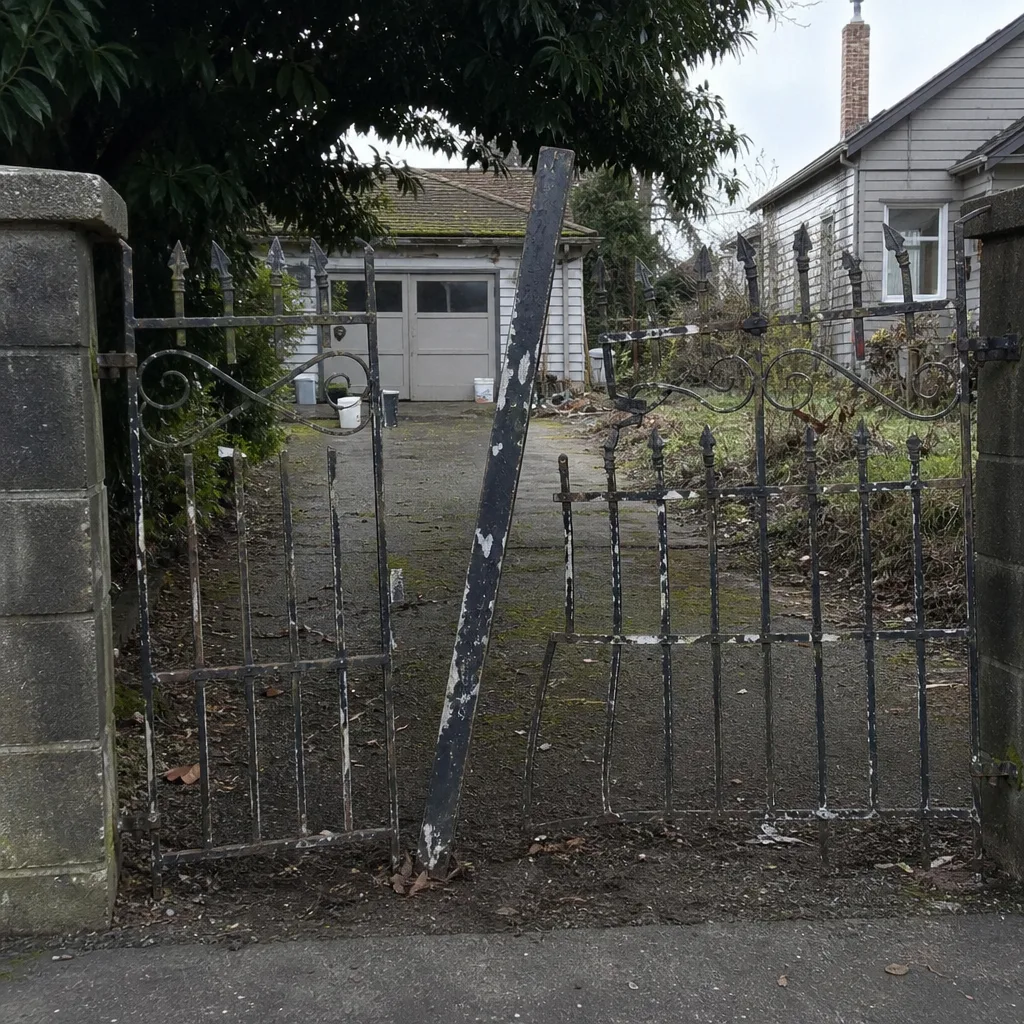 Before
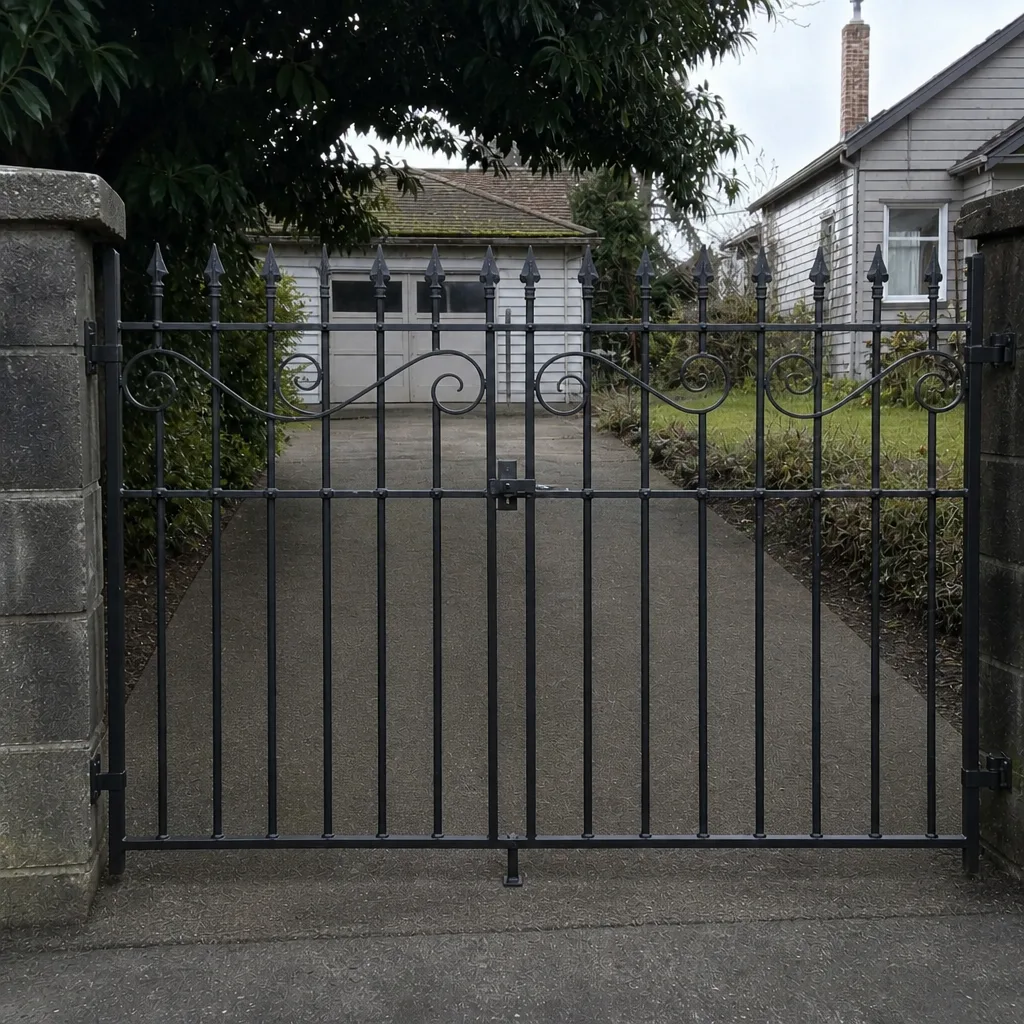 After
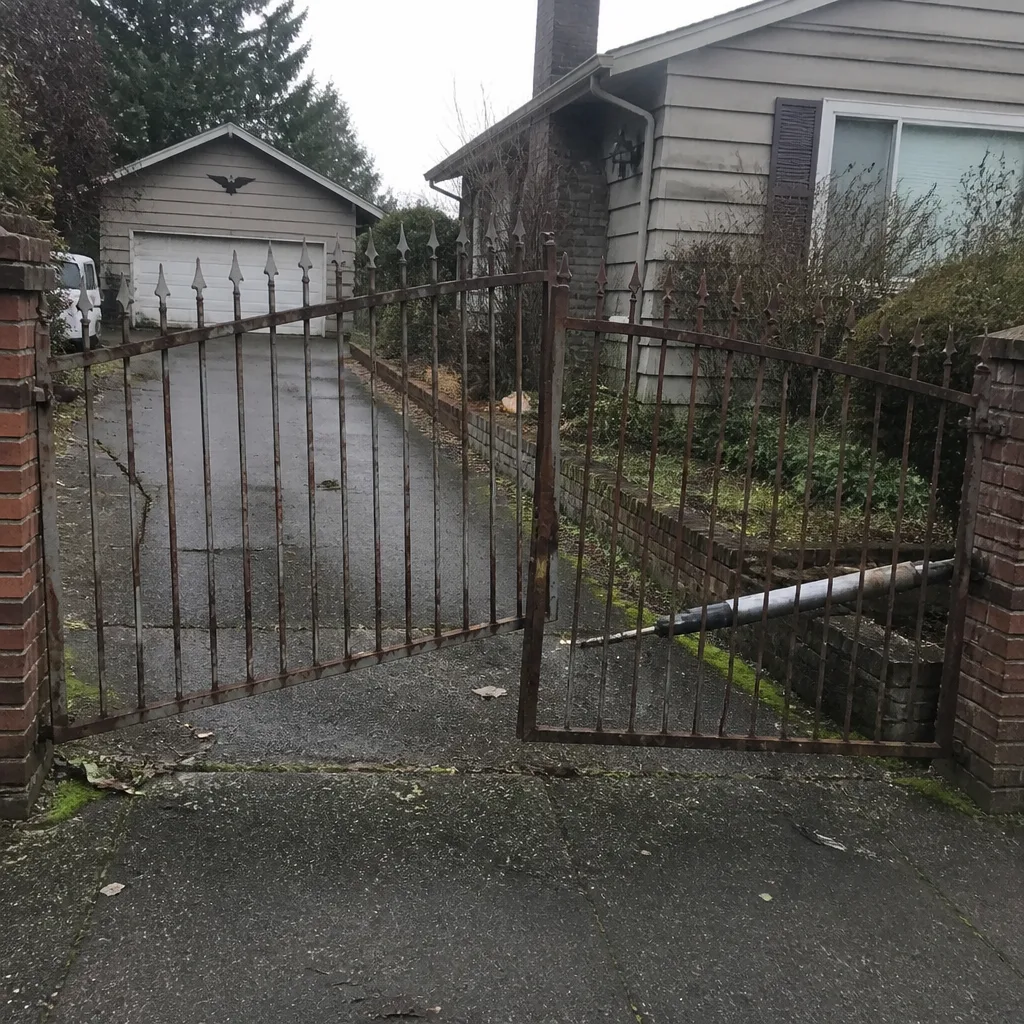 Before
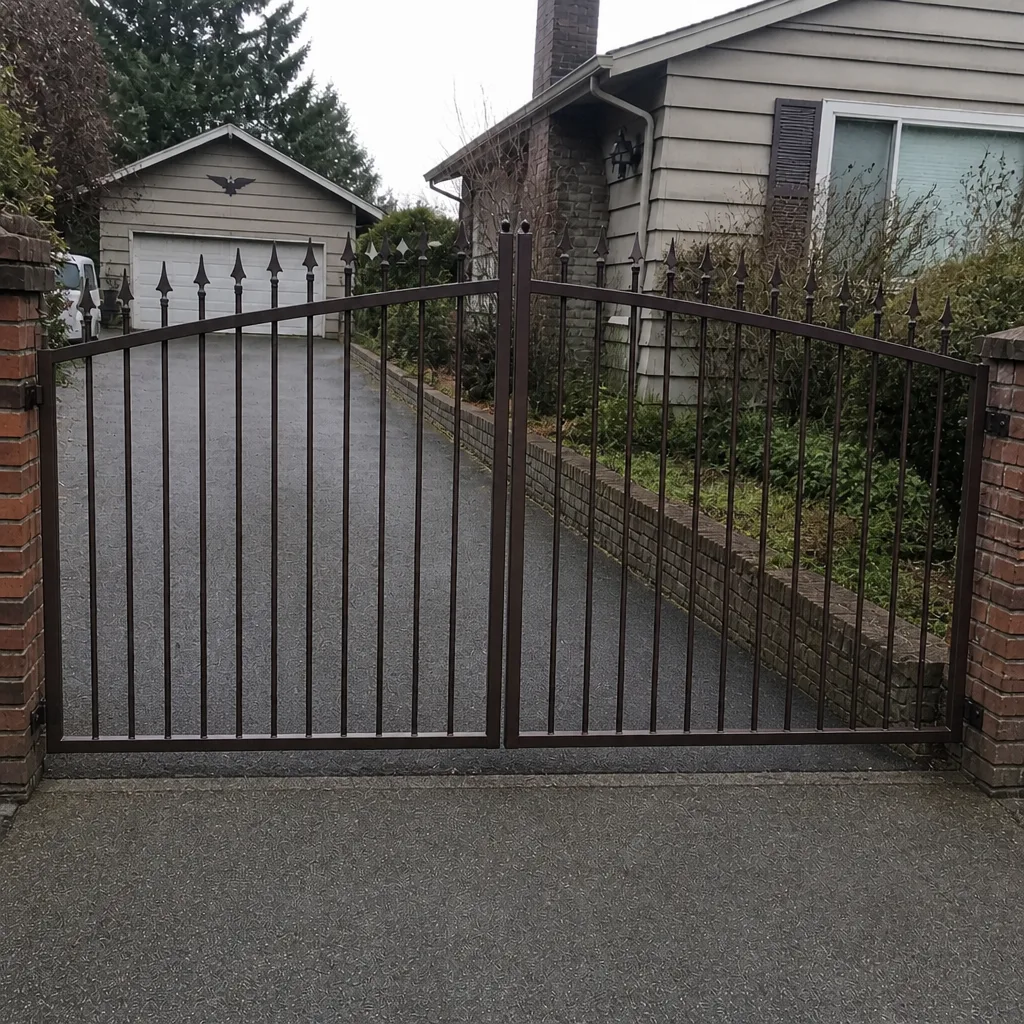 After
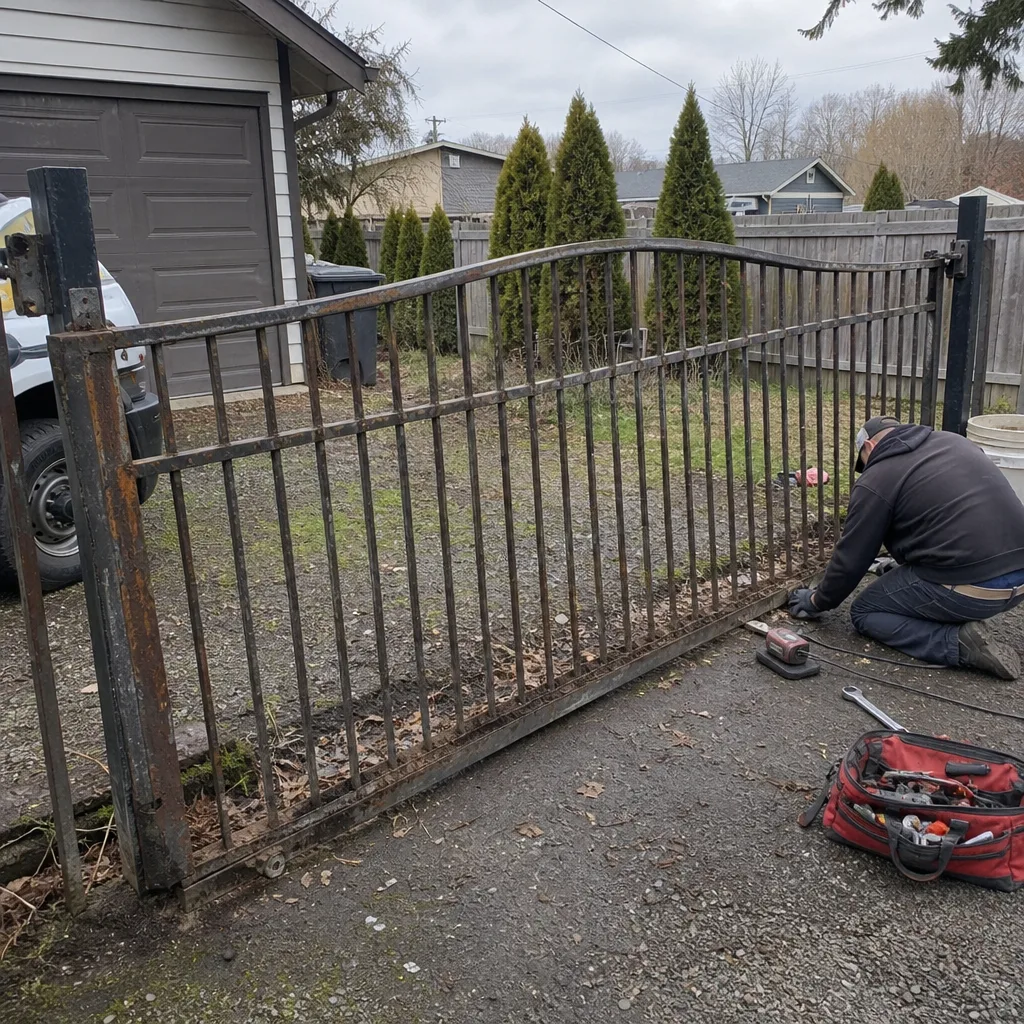 Before
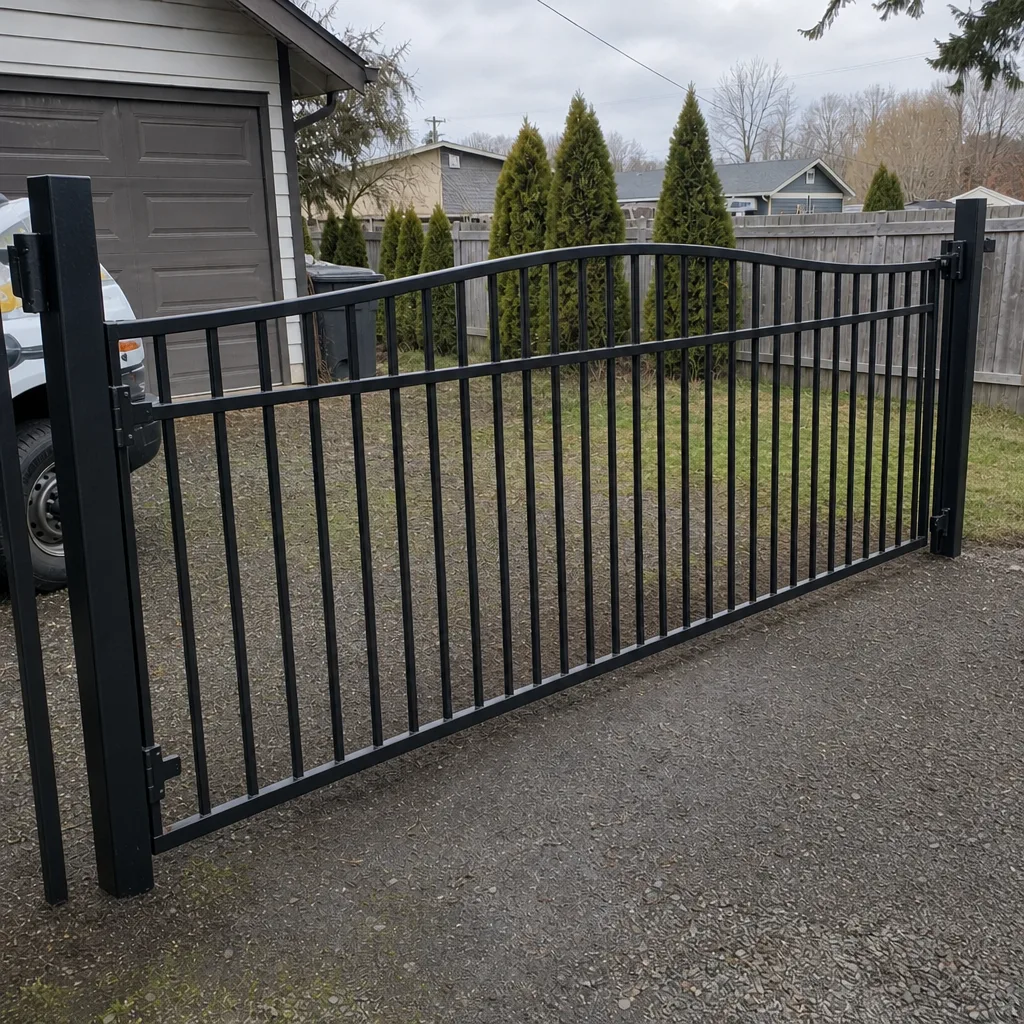 After
Frequently Asked Questions
Service frequency depends on cycle count. A lightly used residential gate typically needs a check twice a year, while a gate doing 20+ cycles a day should be inspected every 90 days. In Gresham, add the seasonal tasks – drain clearing before fall and a grease check before winter – on top of the cycle-based intervals.
No – monthly is usually too often. A slide gate chain should be lubricated on its service interval, tied to use, using a dry-film chain lube. Over-lubricating attracts grit. The rollers and track need the same care.
You can handle routine, low-risk tasks like clearing drains, testing safety beams, and checking for loose parts by hand. Control boards, motor wiring, and heavy gate panels are risky and should be handled by a technician, especially if a safety reverse isn’t working.
Watch for a gate that moves slower, slams, hesitates, or reverses unexpectedly, and log any change. A rising amp draw over time is one of the clearest early warnings, because the motor is drawing more current to overcome growing friction.
Testing the safety systems – photocells, safety edges, and the operator’s force reversal. A heavy gate that doesn’t reverse on contact can hurt someone. Test monthly and stop using the automation if any safety device fails.
Broadly, intervals follow cycle count and drive type, not brand. But specific parts, control boards, and lubrication points vary between brands, which is why servicing by someone familiar with your system matters. We work on nearly every major gate brand, including yours.
The Bottom Line
A maintenance schedule built around cycle count, drive type, and Gresham’s seasons will always outperform a generic annual checklist. Match your intervals to how hard your gate works, handle the seasonal tasks – drains before fall, grease before winter, wiring in summer – and keep a simple log so you can catch a rising amp draw before it becomes a failure. Test safety systems monthly, do the 90-day control board check, and know which parts to lubricate and which to leave alone. Do these things and you’ll get more years out of your operator and fewer surprise breakdowns.
Need a Hand With Your Gate?
If you’d like a technician to look at your gate, we offer free estimates in Gresham. We work on nearly every major gate brand, from a Ghost Controls residential operator to a commercial DoorKing system, and gate repair is all we do. Call (866) 942-6384. We answer 24/7. Fast dispatch from 7am to 7pm, Sunday through Friday. Learn more about our gate repair and Gresham services.
Written by the team at Gate Repair Gresham.